

“I work hard to make sure that the men I draw having sex are proud men having sex.” — Tom of Finland


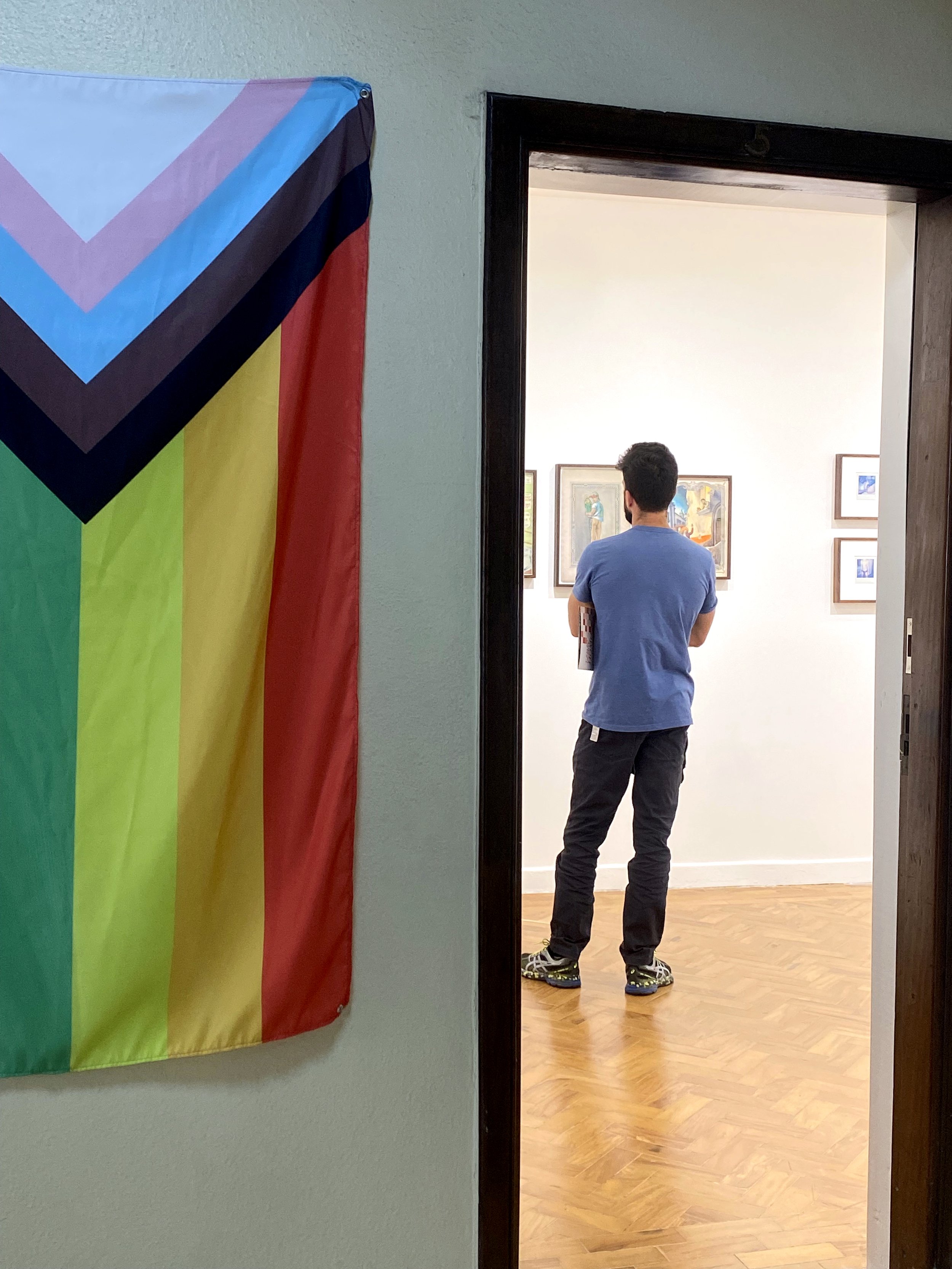
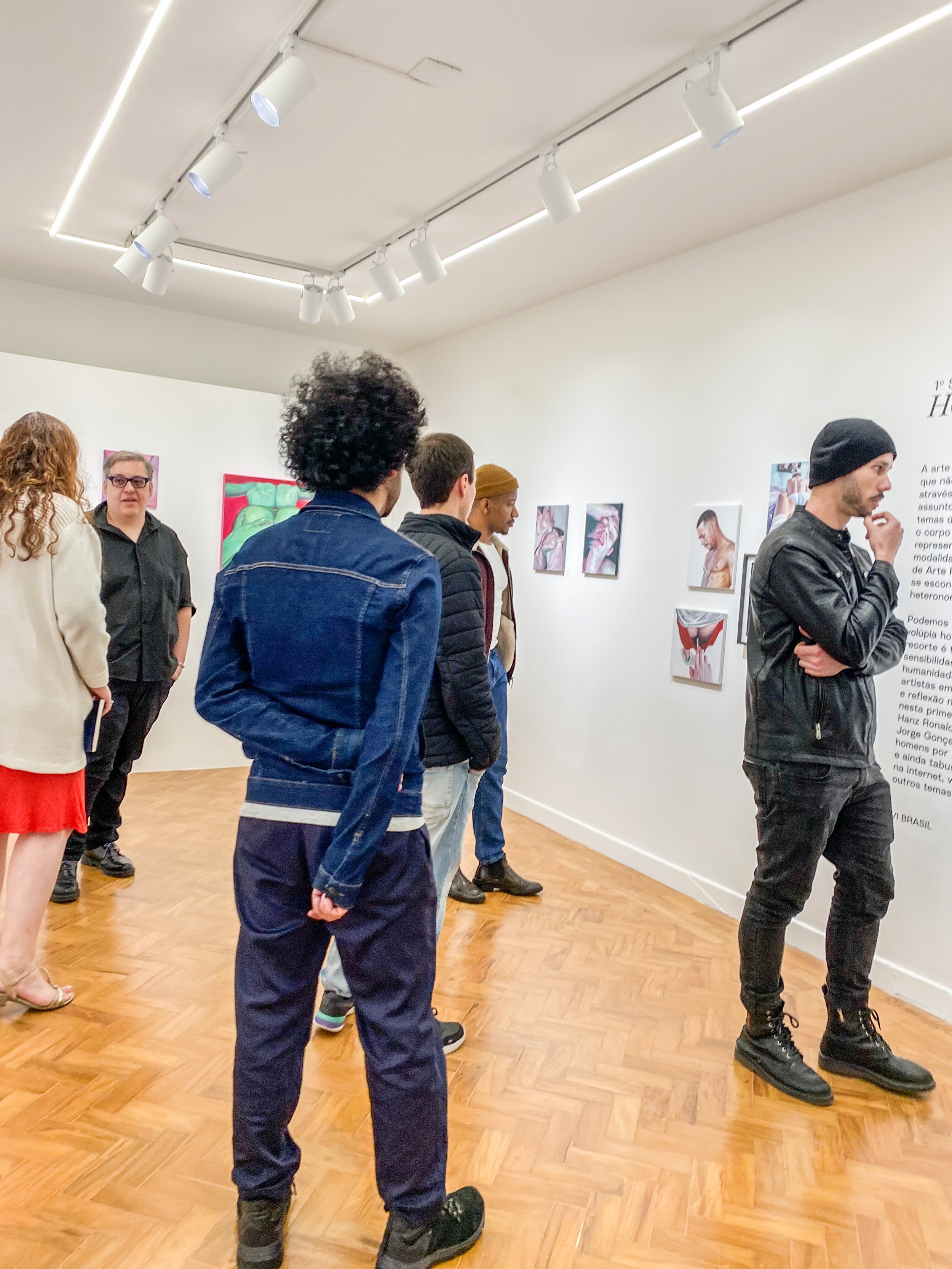
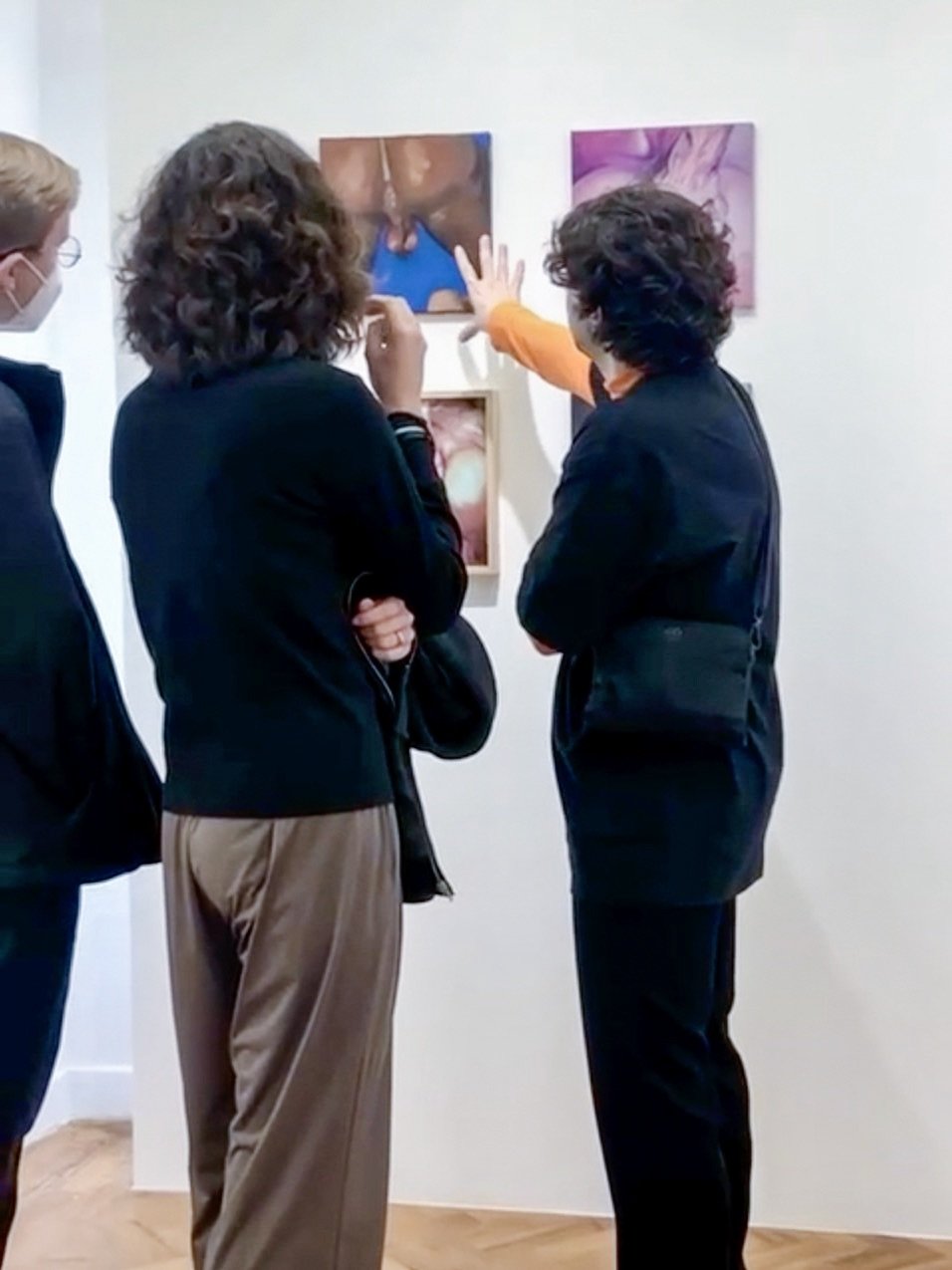
Homoerotic art is part of that universe of objects that do not immediately win over viewers, whether from an aesthetic, political, or moral perspective. It portrays subjects that are uncomfortable for the general audience because they deal with issues of gender and male sensuality, placing the body as a place of desire and pleasure, as well as a social and political representation. These parameters of this artistic modality are represented in this 1st Homoerotic Art Salon, which gives visibility to what lies behind prejudice and heteronormative morality.
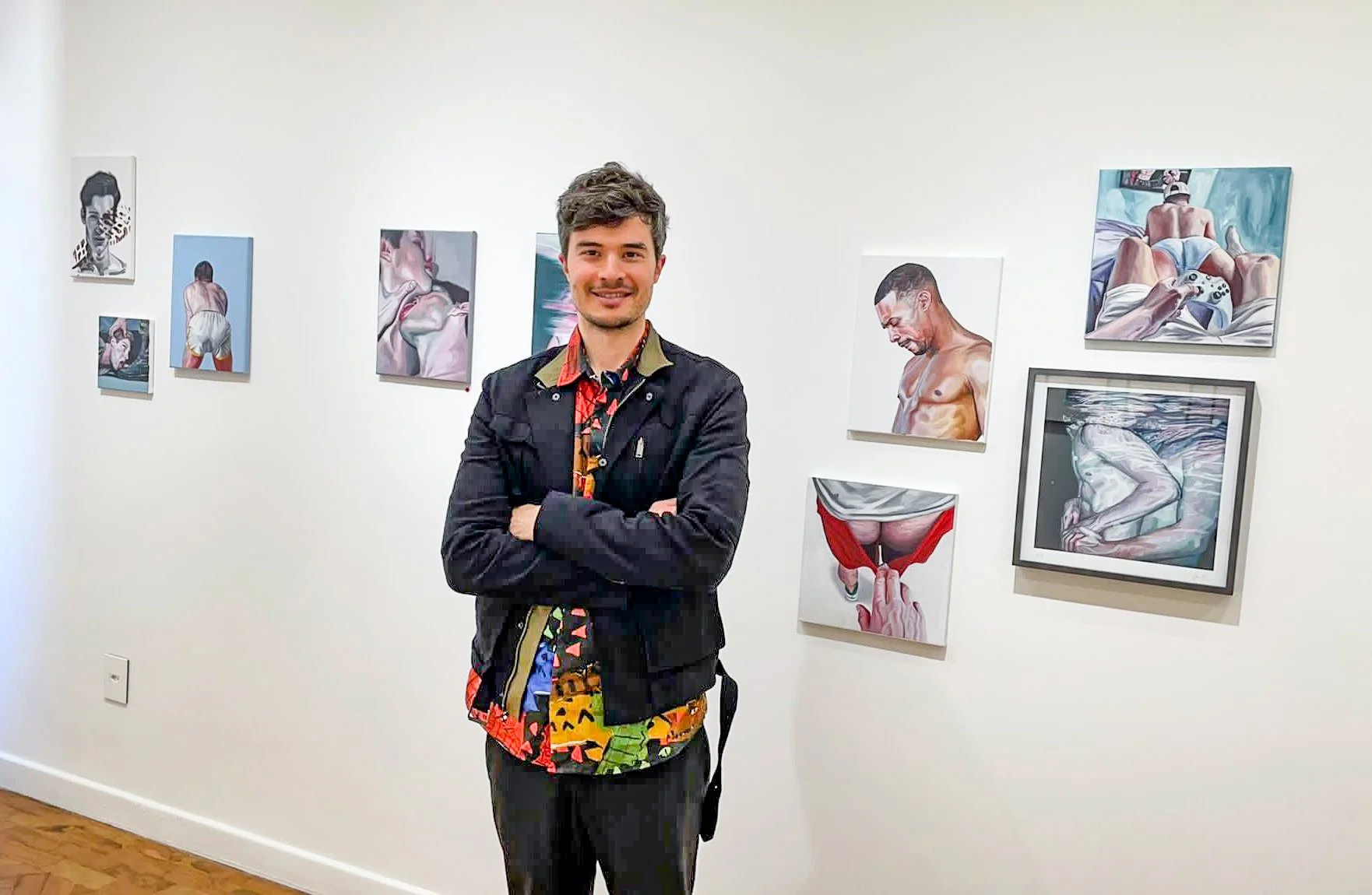
We may find a certain perversity, pornography, and homoerotic lust here, but what matters is that this vast selection is brought to our attention, invoking our sensitivity and intelligence with substantial questions about humanity. These are questions that have marked many artists in different eras and continue to be discussed and reflected upon in contemporary times. The artists gathered in this first edition of the Salon—Daniel Jaen, Félix D'eon, Hanz Ronald, Helton Aversa Gutierrez, Paulo Cibella, and Paulo Jorge Gonçalves—bring to light the bodies and desires of men for men. They touch on relevant, yet taboo, aspects of masculinity: prostitution, exposure on the internet, vanity, transgression, and pornography, among other often disturbing themes.
Homosexuality is still underrepresented in art history, or at least it is largely concealed, despite the expansion of the sexual revolution that has been ongoing since the 1960s. While lewd scenes between Greek and Roman men can be found in ancient times, such representations were banned in the Middle Ages due to the influence of Catholicism. In the Renaissance, homoeroticism appears, for example, in the chiaroscuro of Caravaggio's (1571-1610) Narcissus and in the stunning beauty of Michelangelo's (1475-1564) David; both artists were suspected of being gay at a time when the Catholic Church still had a strong influence on society and the state. The homoerotic theme only returned with force in the arts in the 20th century, mainly after World War II, with names ranging from Tom of Finland, Robert Mapplethorpe, Andy Warhol, and Lucian Freud on the international scene, to Brazilians such as José Leonílson, Alair Gomes, Alex Valauri, and Hudinilson Jr.
Would it be legitimate to confiscate, censor, or silence a work of art because it shocks us or simply because it differs from our morals? Canceling is not the solution for coexistence in these times of hypercommunication. We invite everyone to observe, feel, reflect, and engage with the journeys of the six artists in this 1st Homoerotic Art Salon. Sexuality is too important an aspect of our lives to be hidden away in the closet. Through art, we can open the doors to more positive acceptance.
IVI BRAZIL
See São Paulo, 2022, year 40, no. 24, p. 9
ARTISTS
✶
ARTISTS ✶

DANIEL JAEN

Helton Aversa Gutierrez

FELIX D’ÉON

PAULO CIBELLA

HANZ RONALD

PAULO JORGE GONÇALVES



CURATOR Paulo Cibella
TEXT
, Ivi Brasil
PRODUCTION
Leonardo Maciel
Paulo Cibella
PRODUCTION ASSISTANCE
, Lucas Calvelhe
GRAPHIC DESIGN Sidney Secolo
GRAPHIC PRINTING
AlphaGraphics
MONTAGELuiz 83
PRESS OFFICE Tag&Line
PHOTOGRAPHY
Ana Helena Lima
Leonardo Maciel
Paulo Cibella
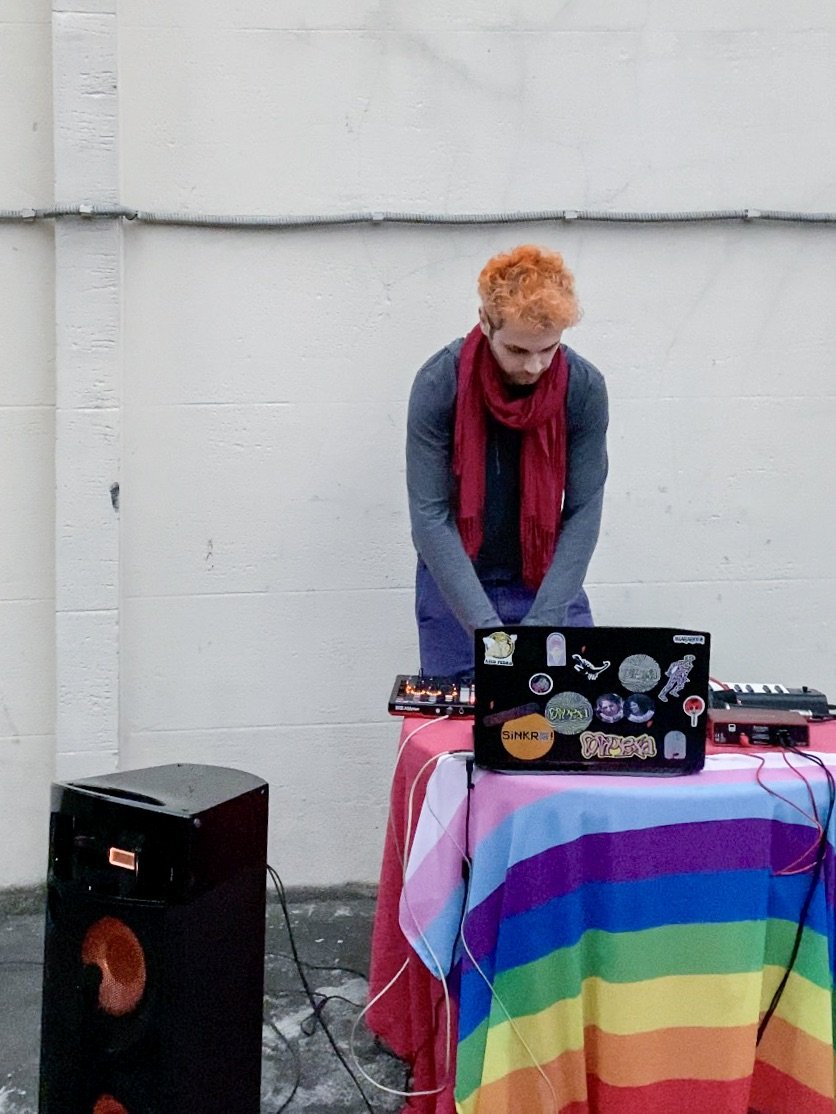
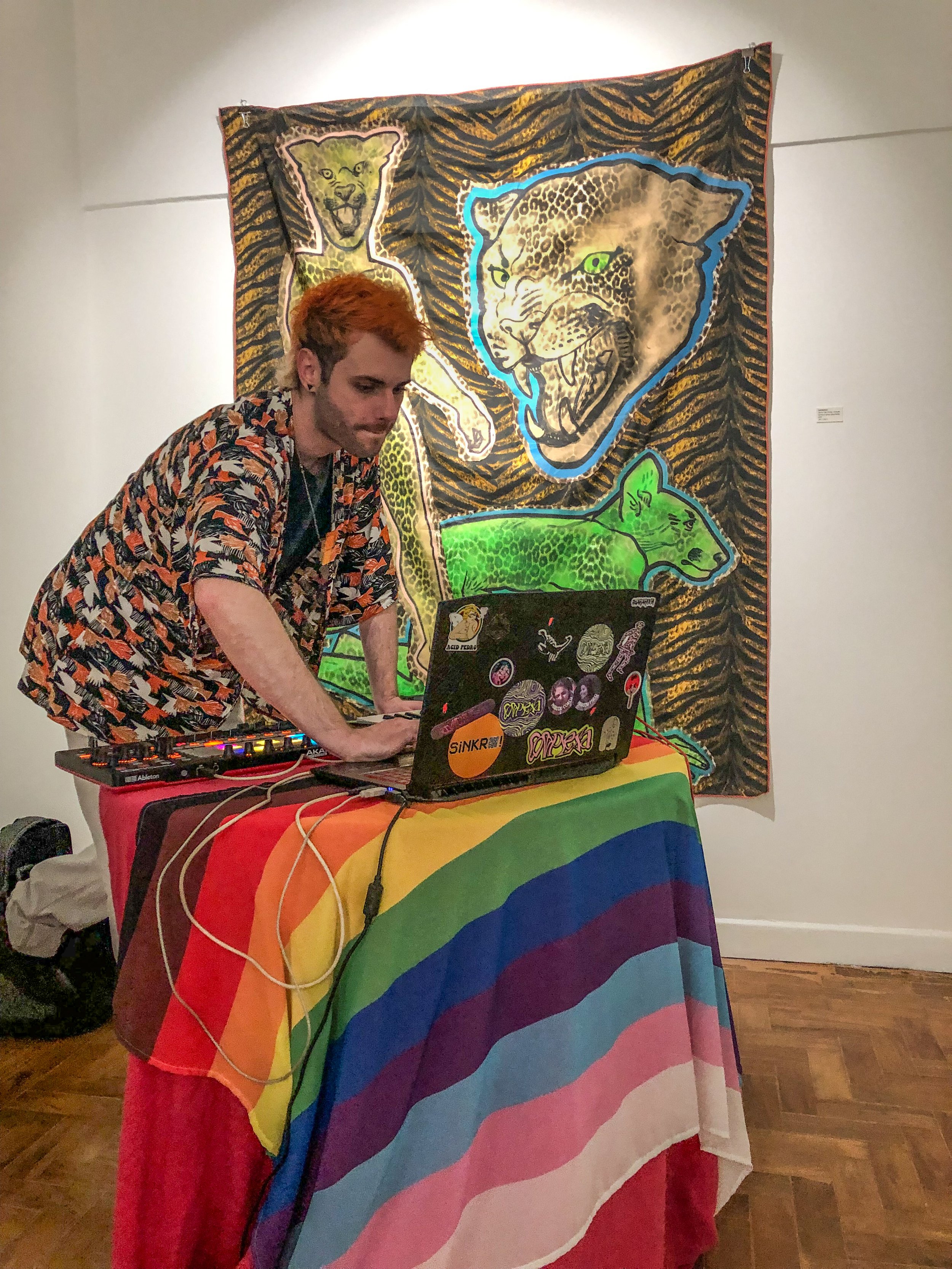
DJ
Luko
ACKNOWLEDGEMENTS
Hermógenes Moussallem
Ricardo Ramalho
VANDL ART