
Where bodies meet, sex connects and love blossoms.
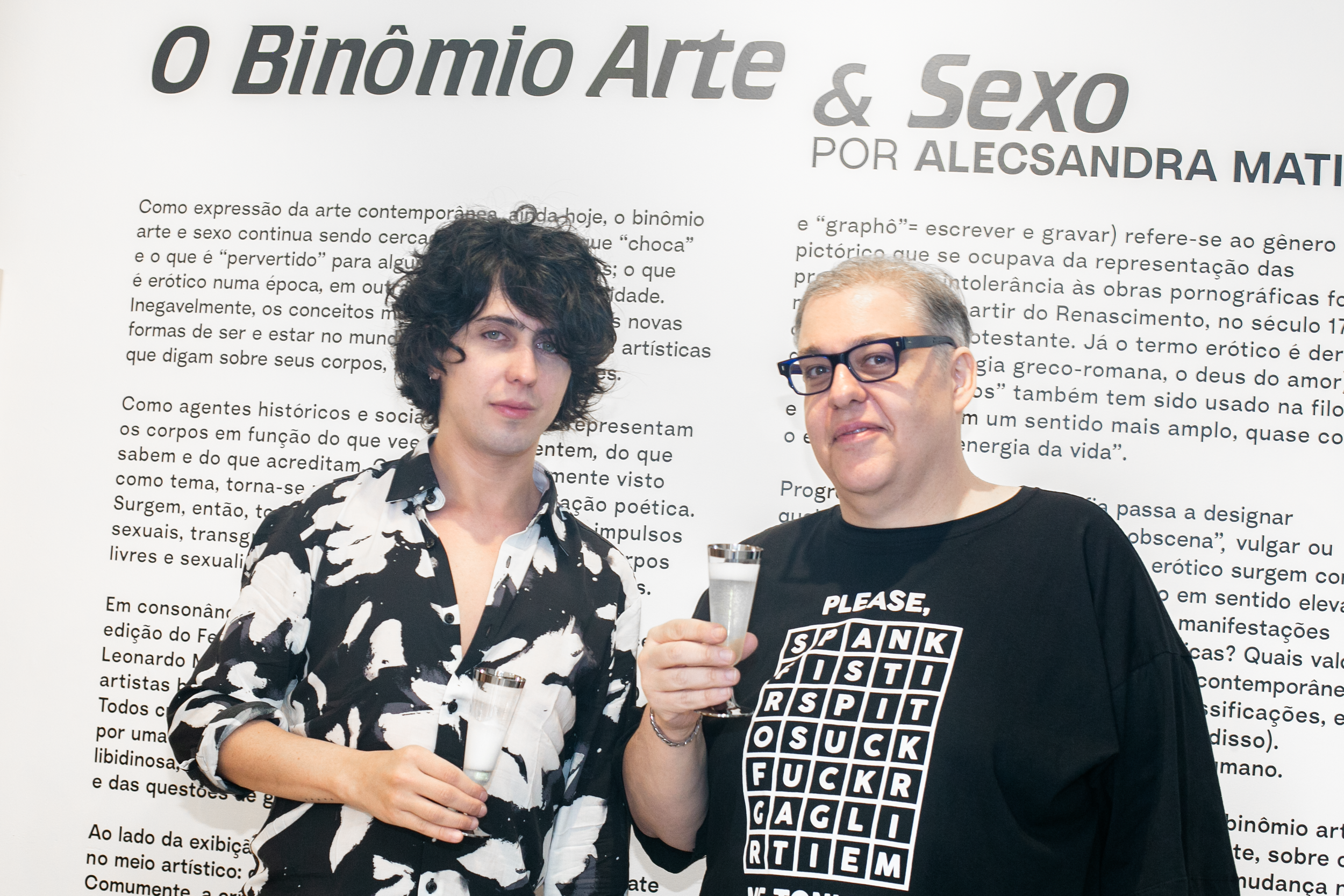
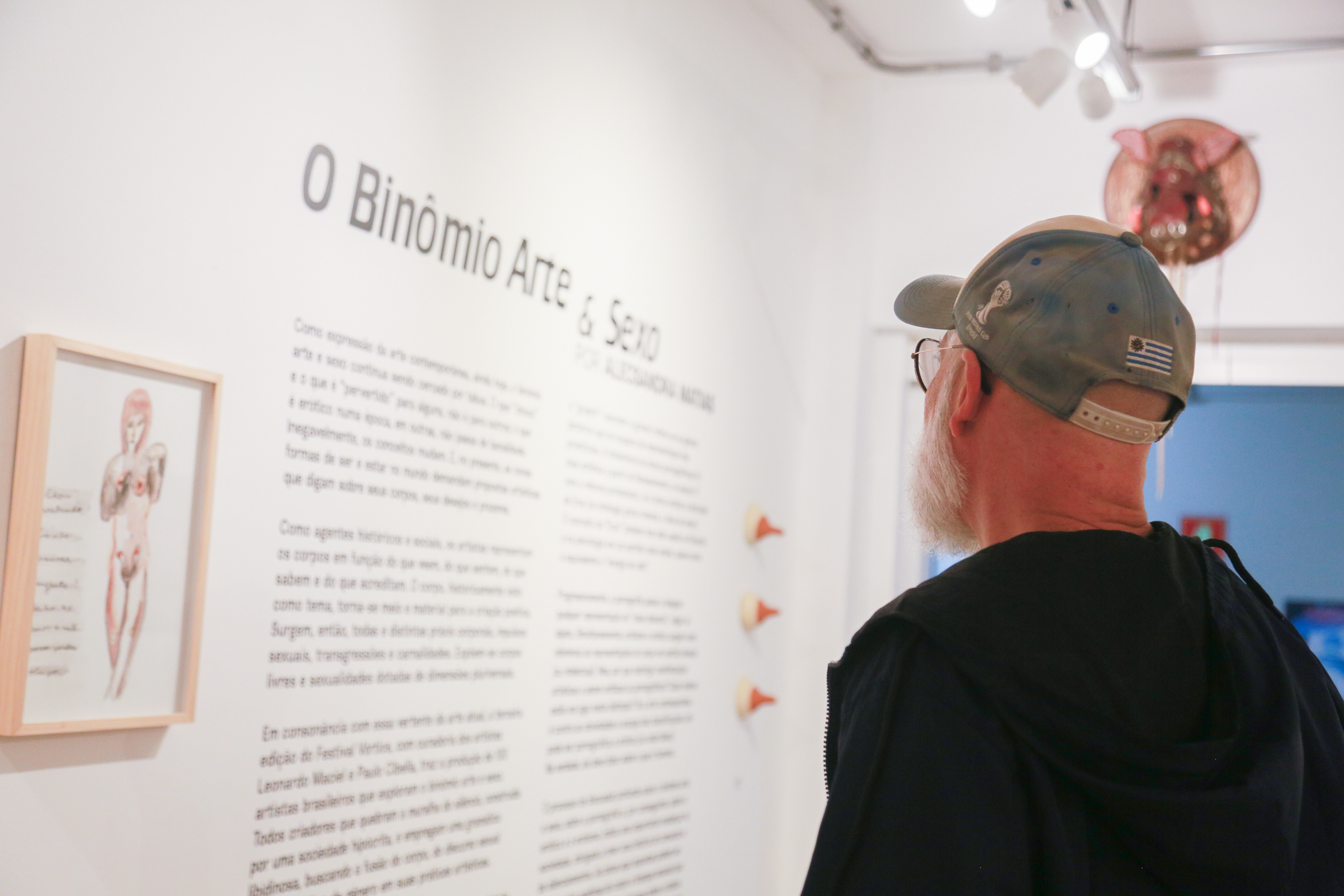
THE BINOMIAL OF ART AND SEX
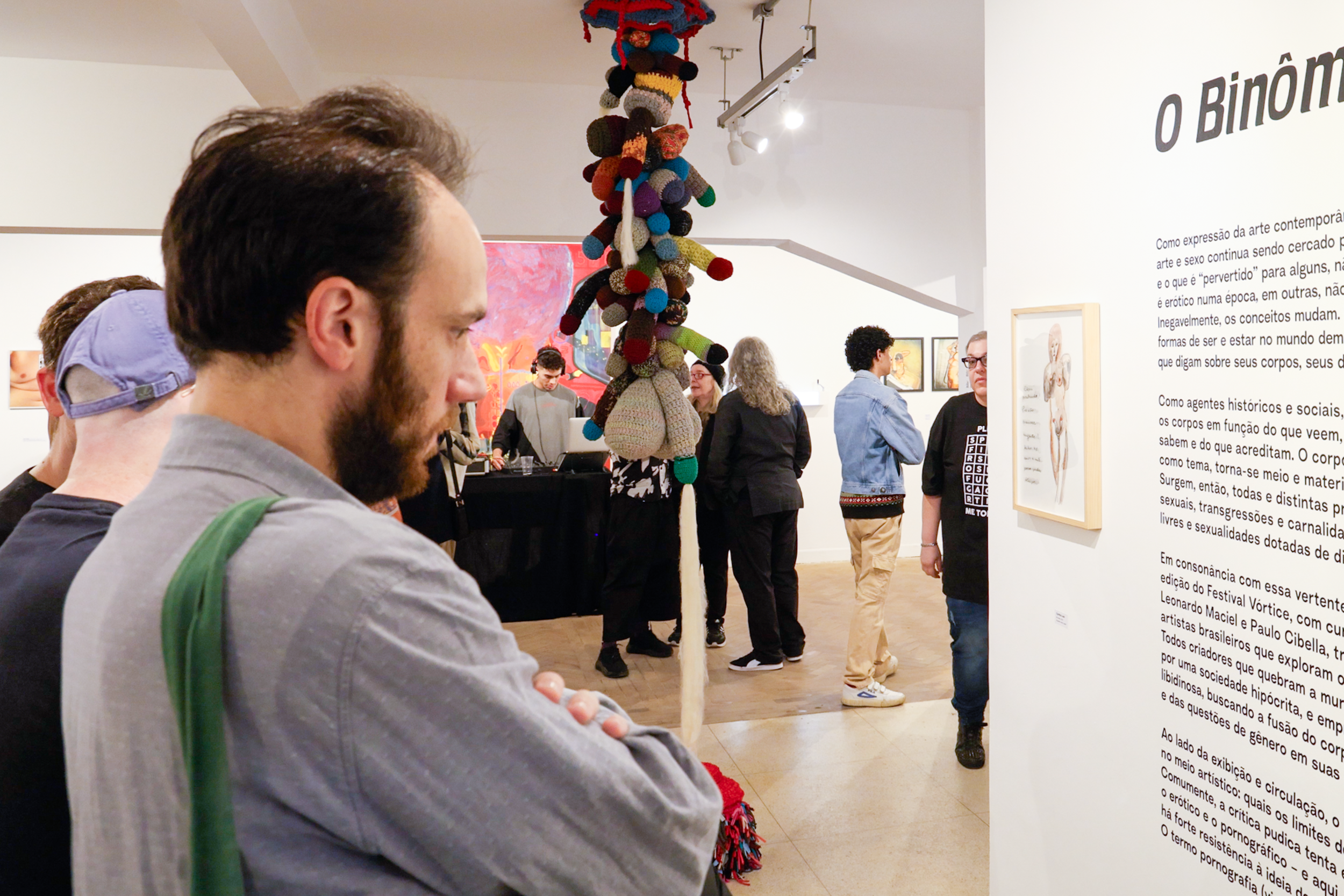
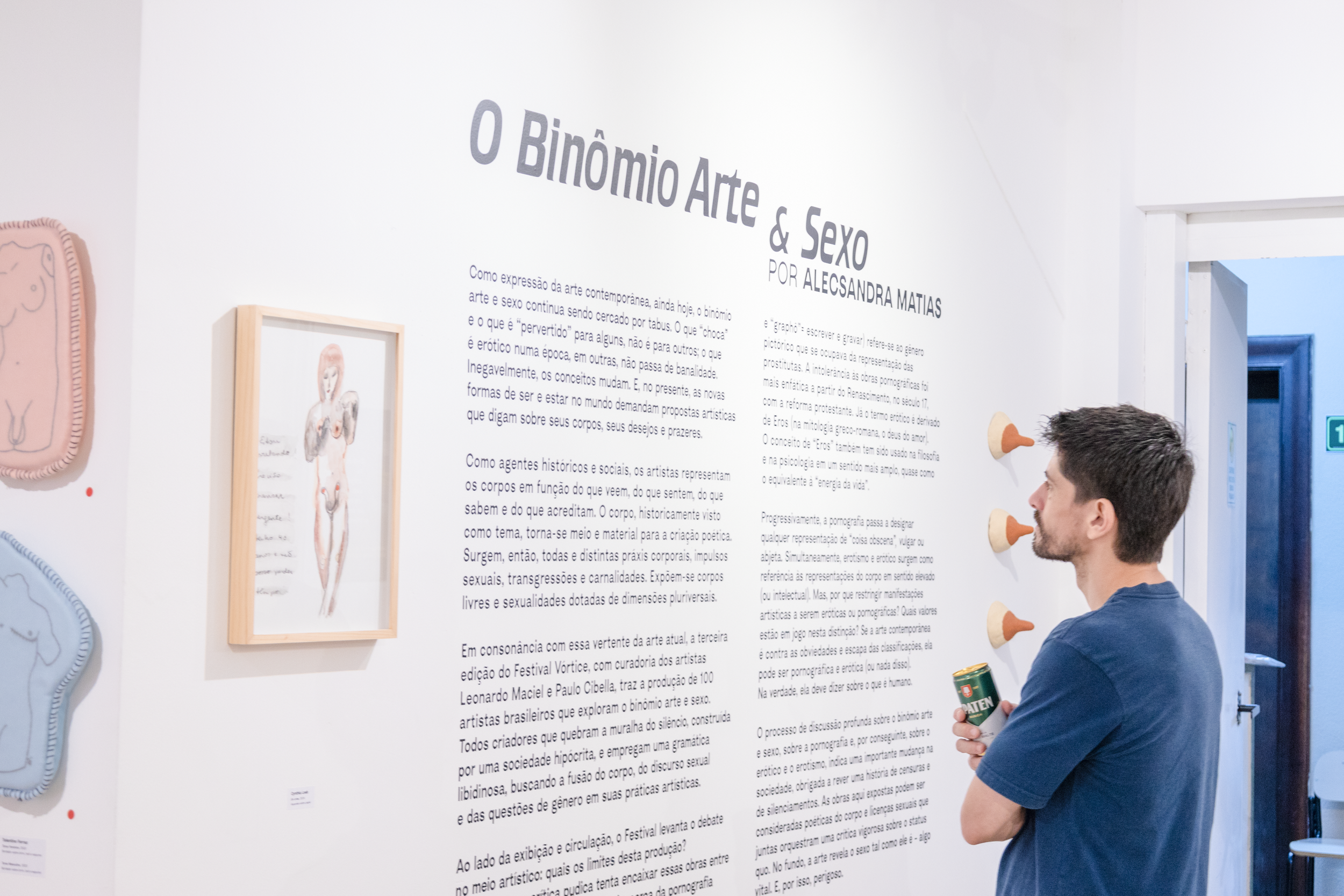
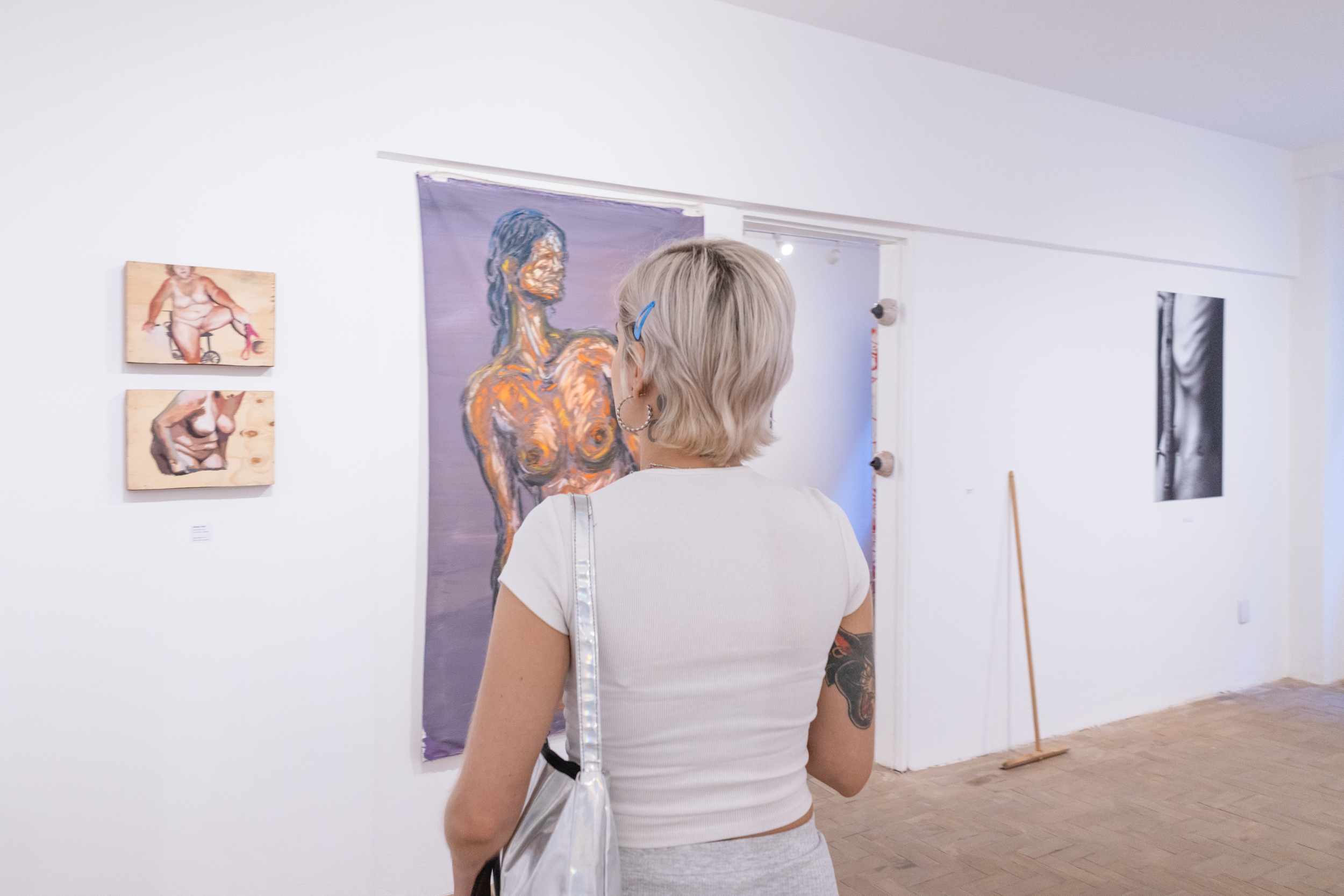
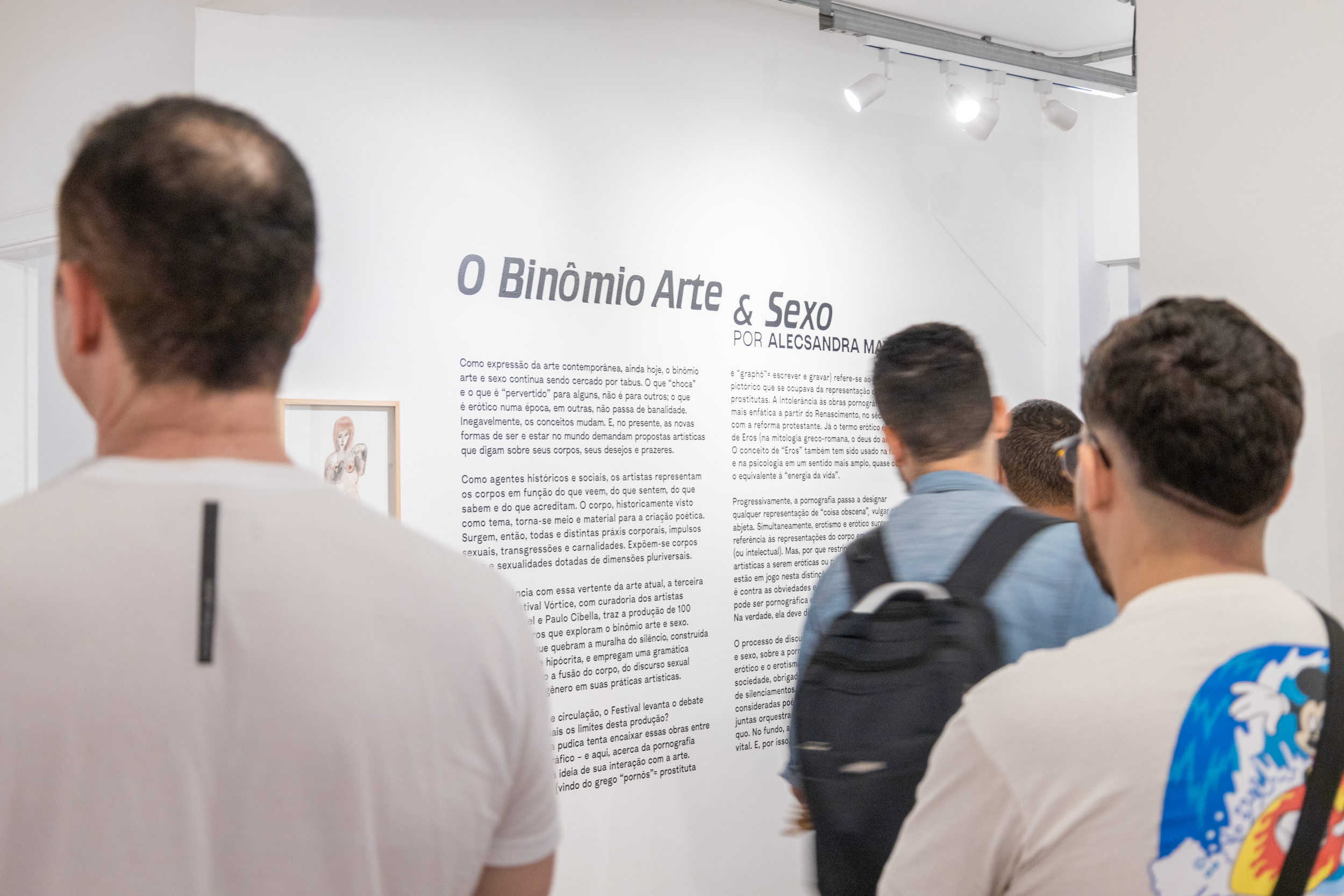
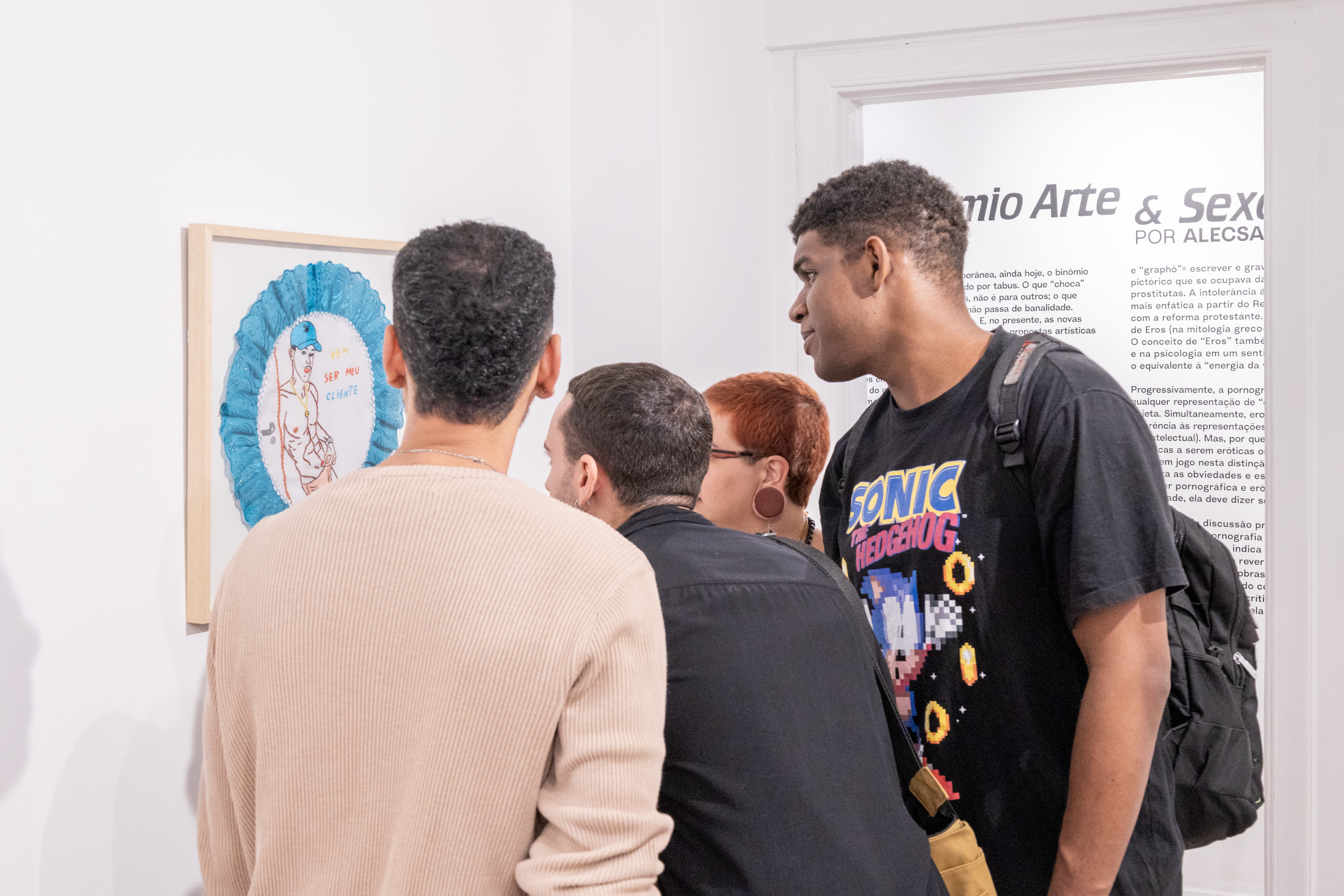
As an expression of contemporary art, even today, the combination of art and sex continues to be surrounded by taboos. What is "shocking" and "perverted" to some is not so to others; what is erotic in one era is merely banal in another. Undeniably, concepts change. And, in the present, new ways of being and existing in the world demand artistic proposals that speak to their bodies, their desires, and their pleasures.
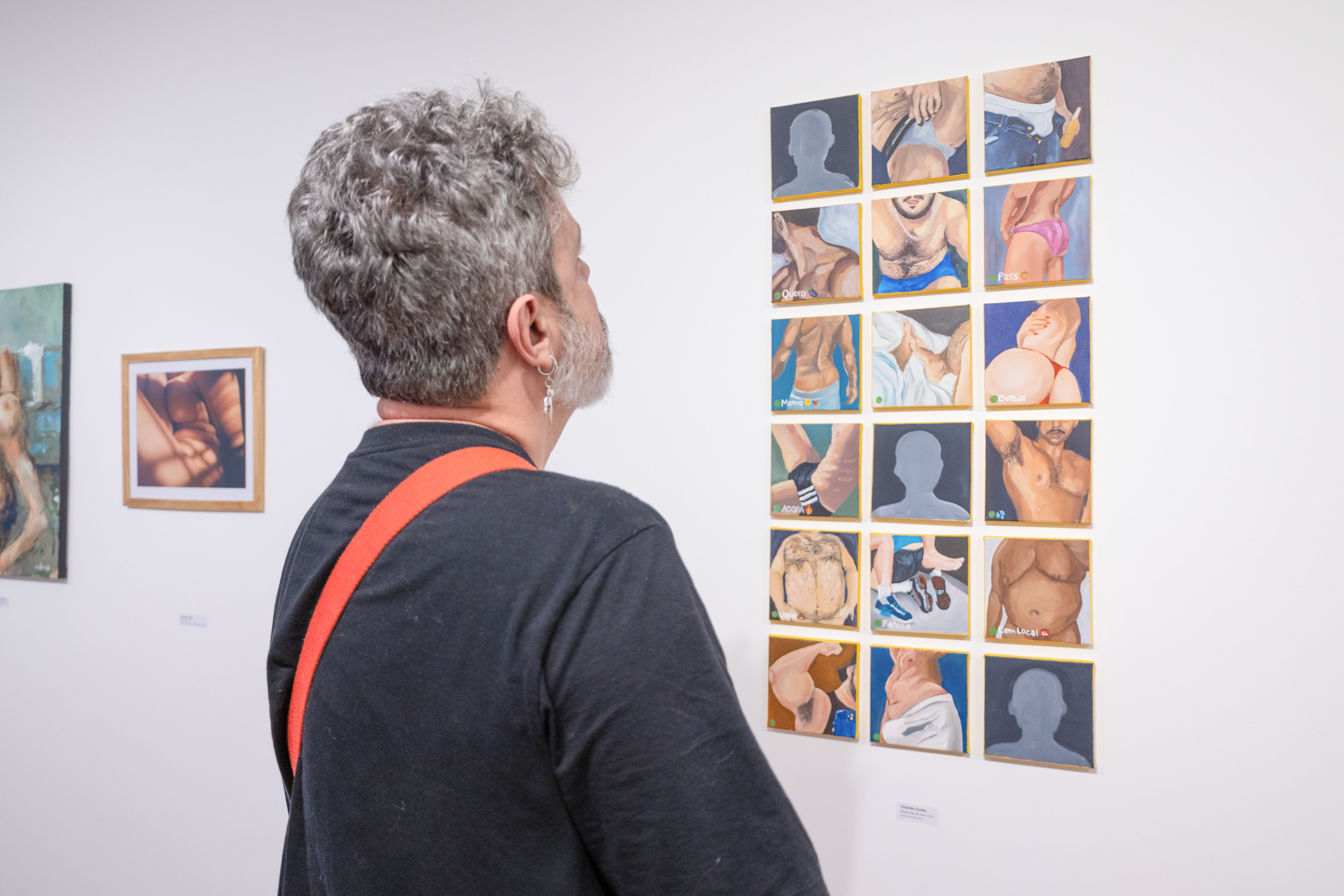
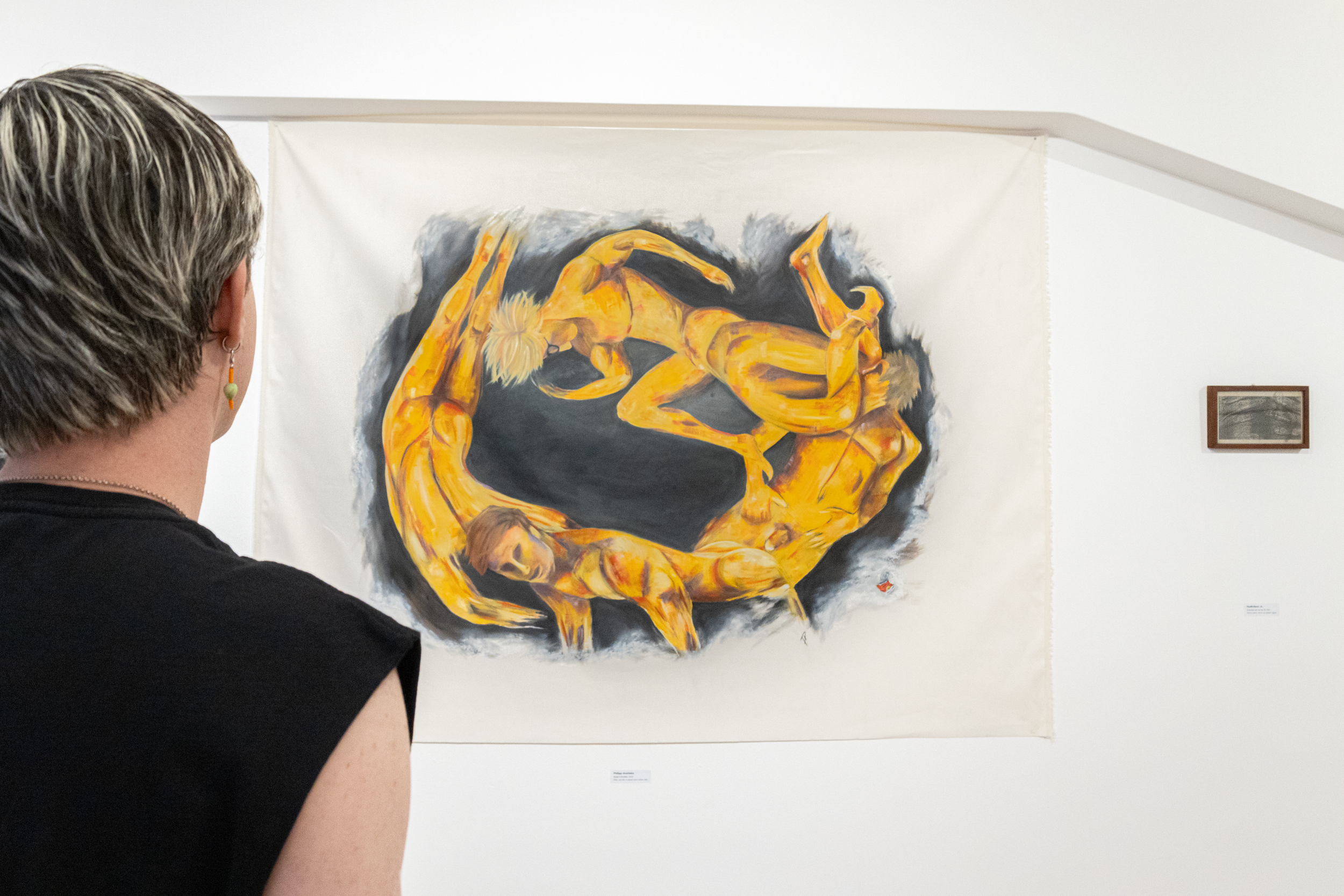
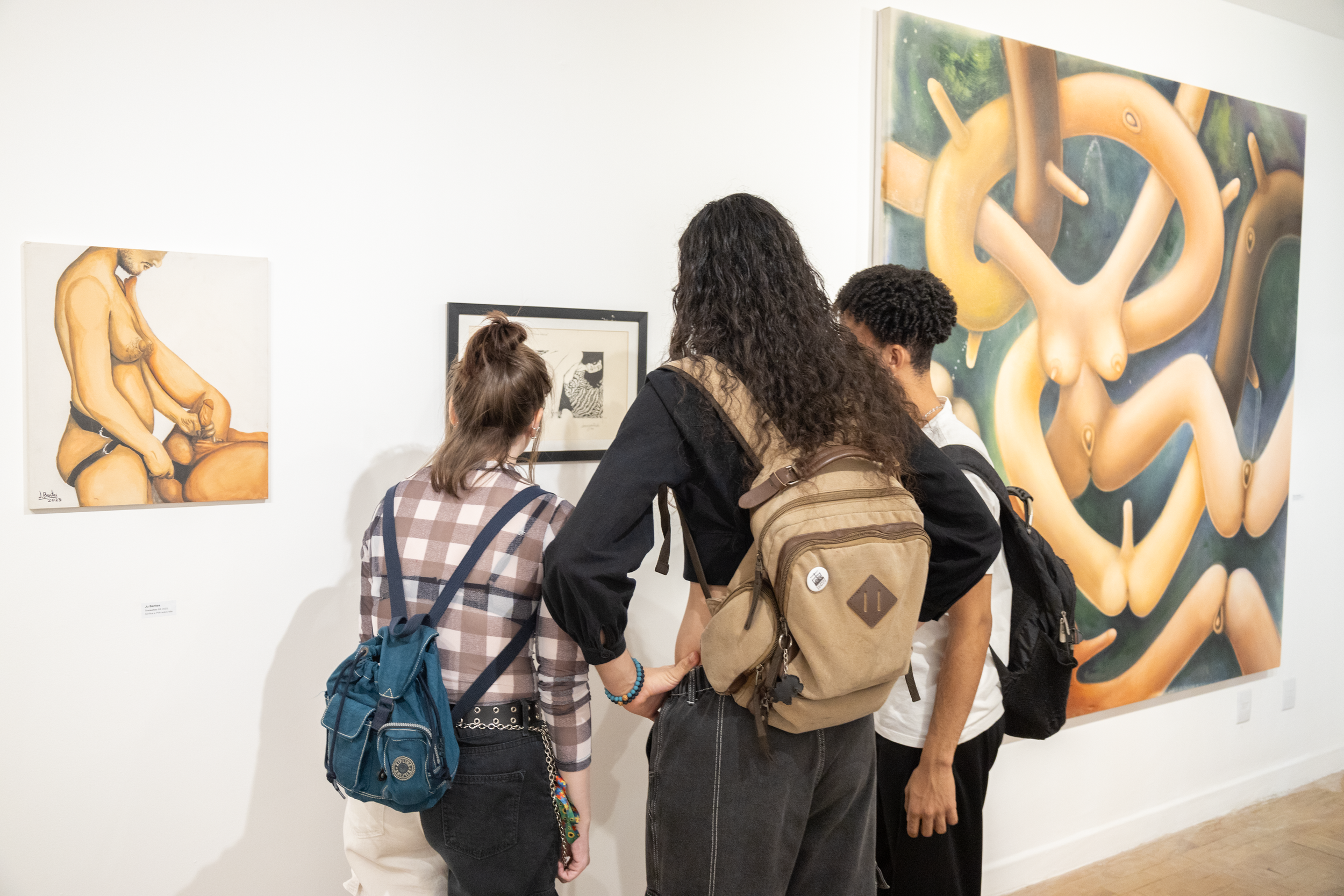
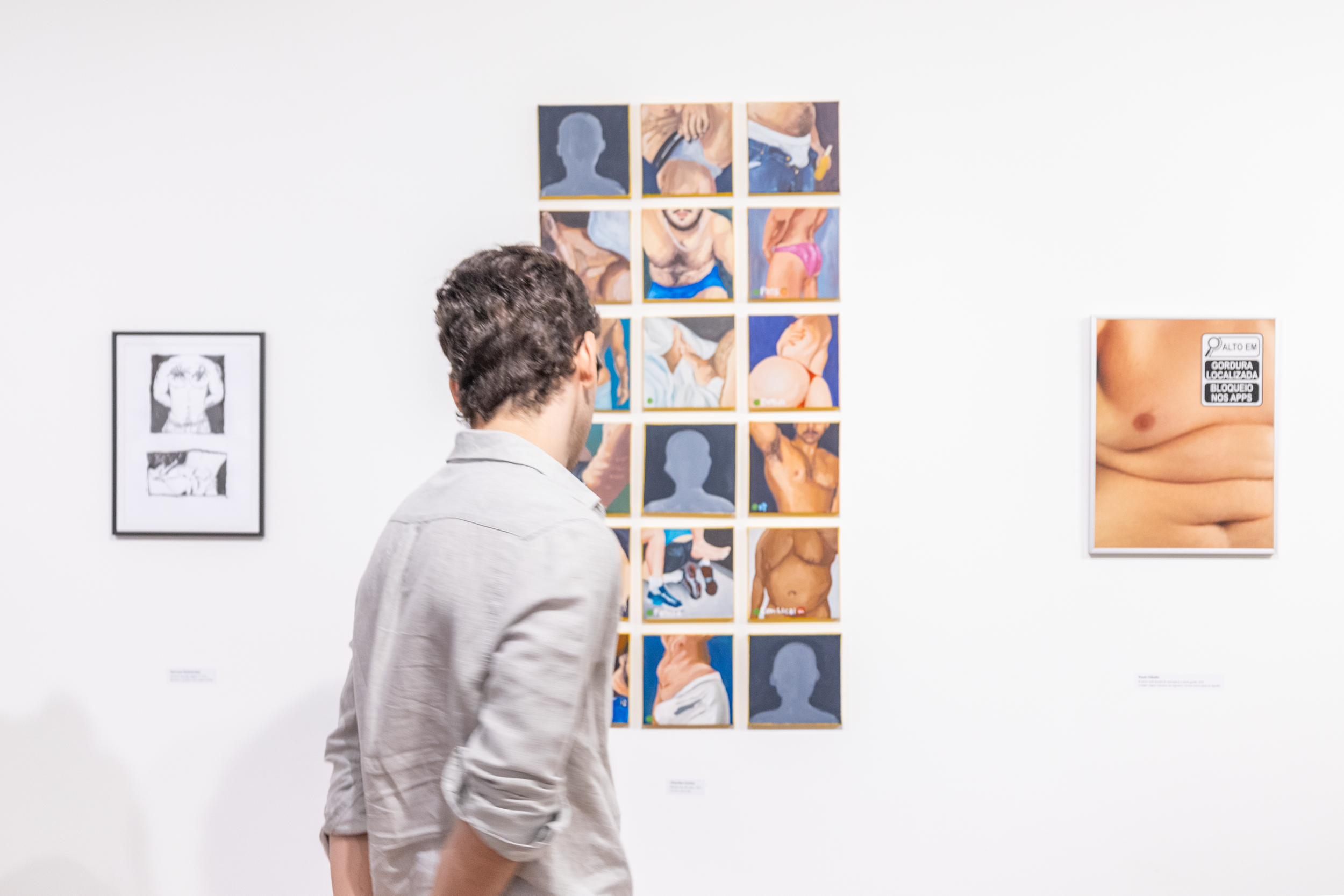
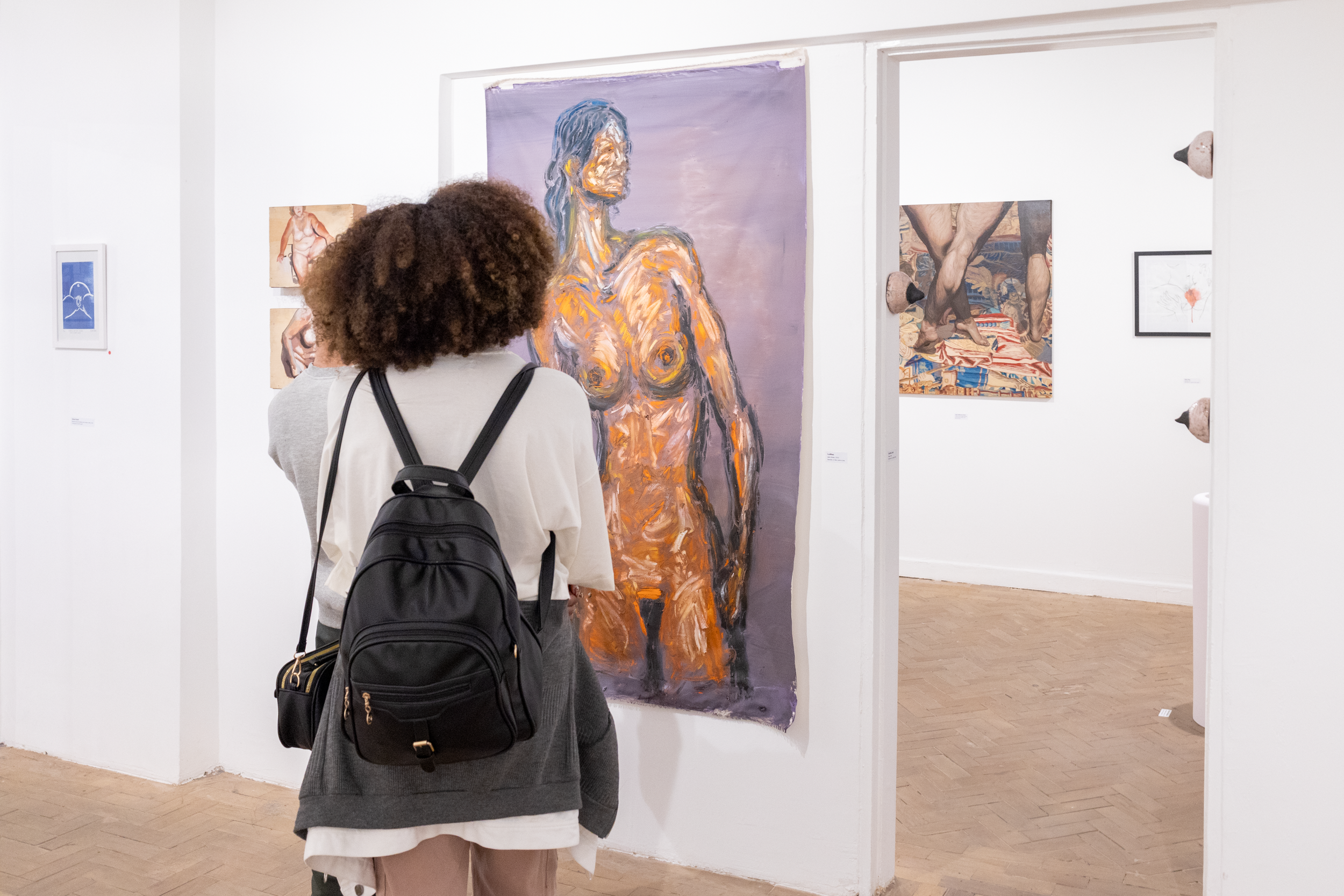
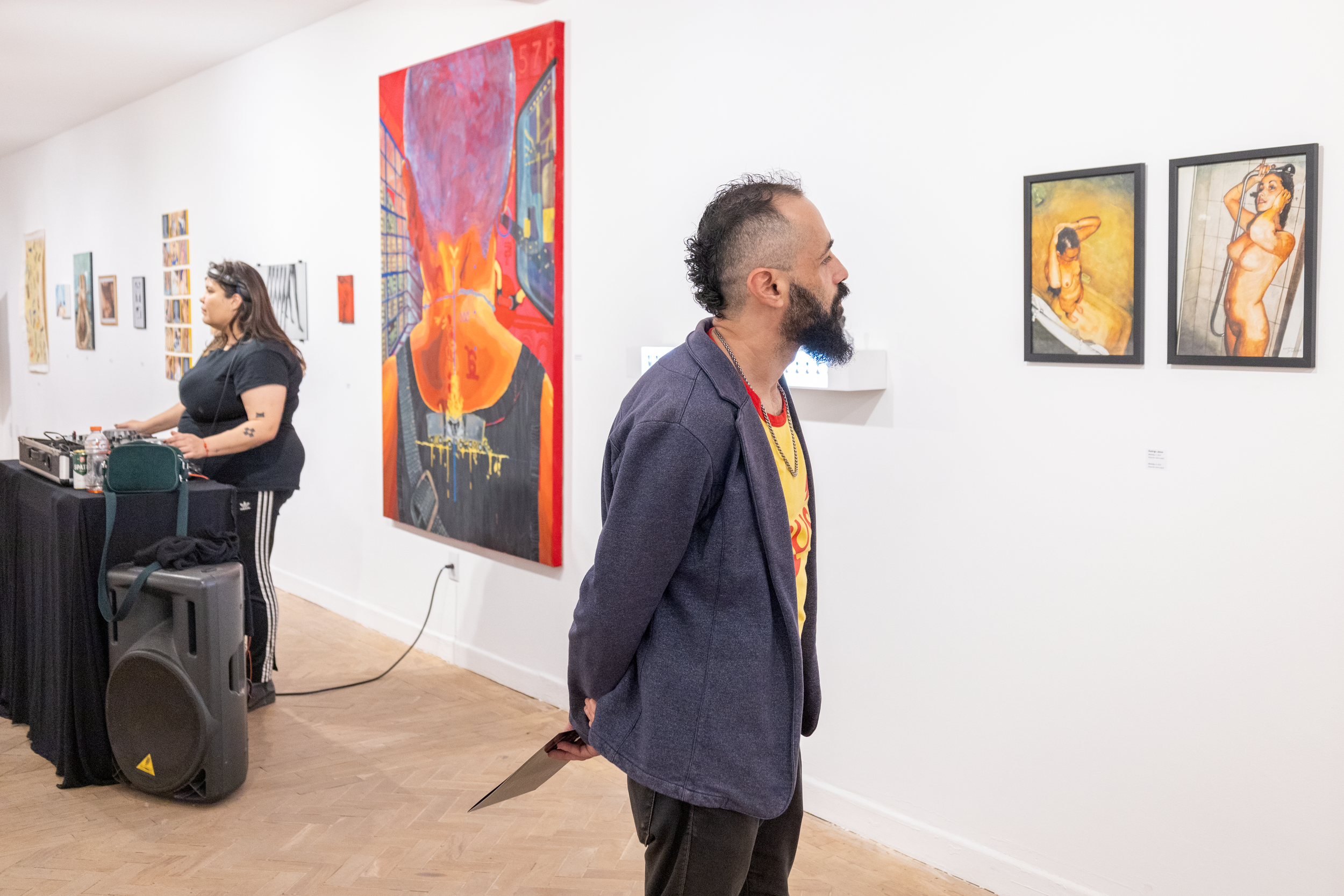
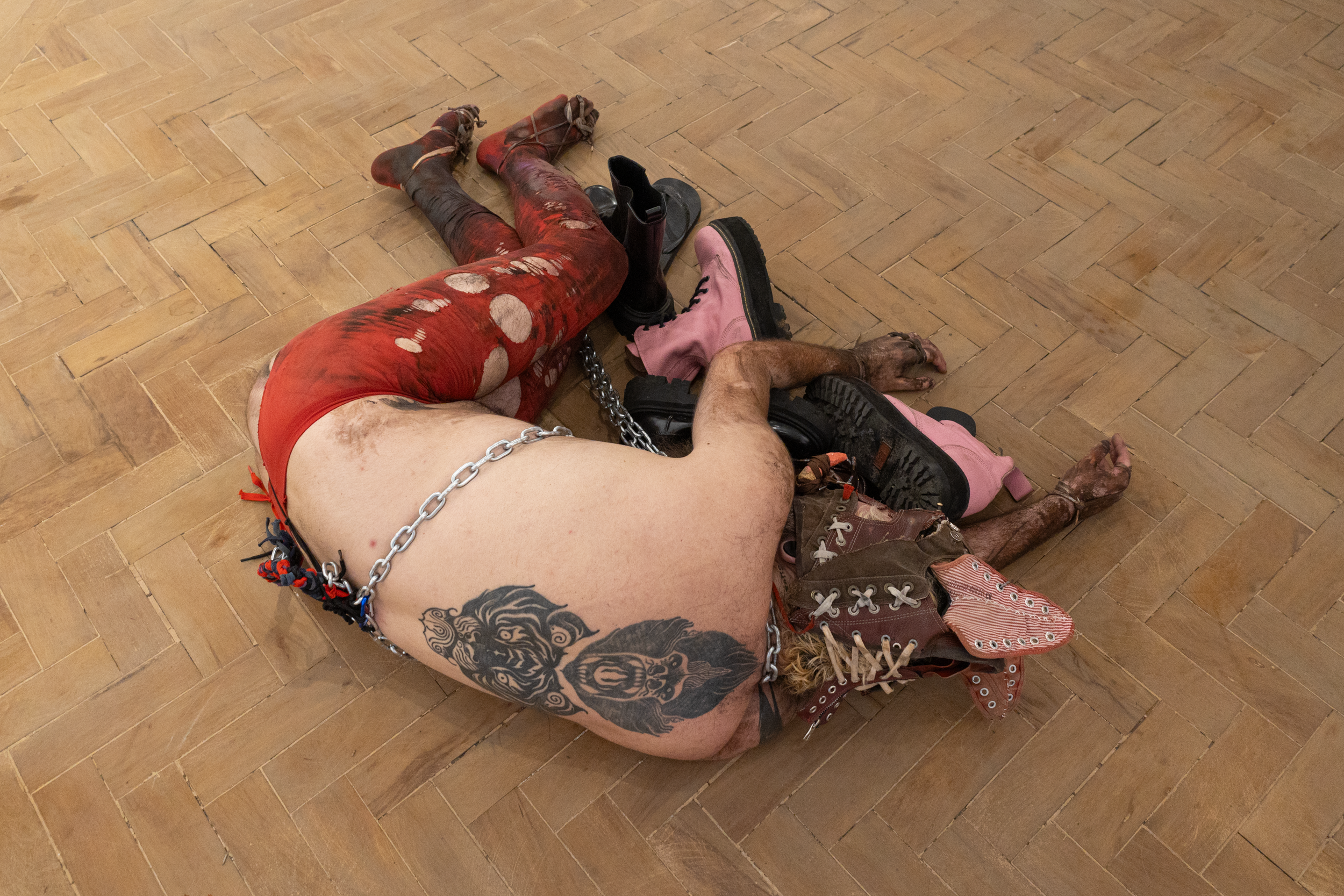
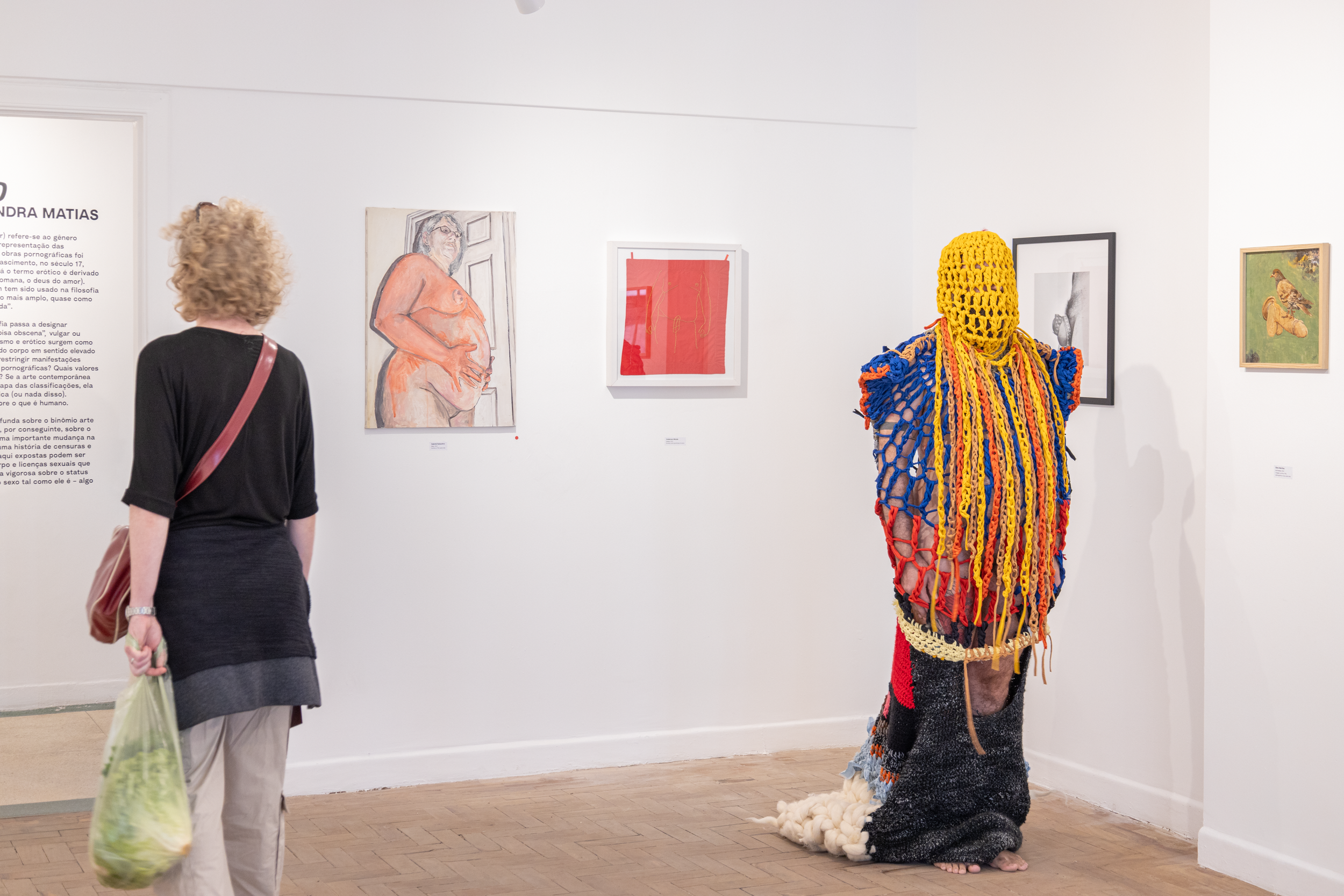
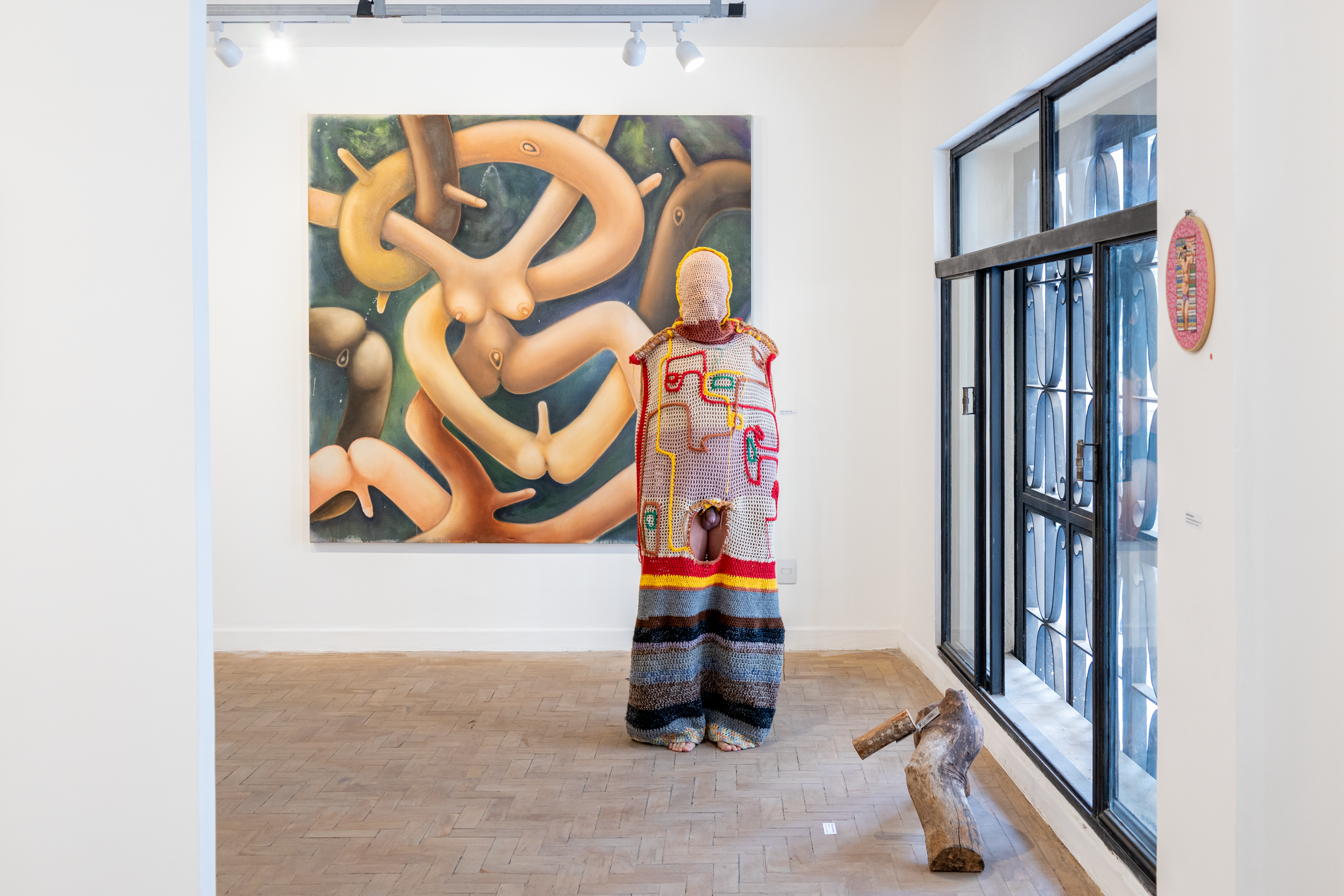
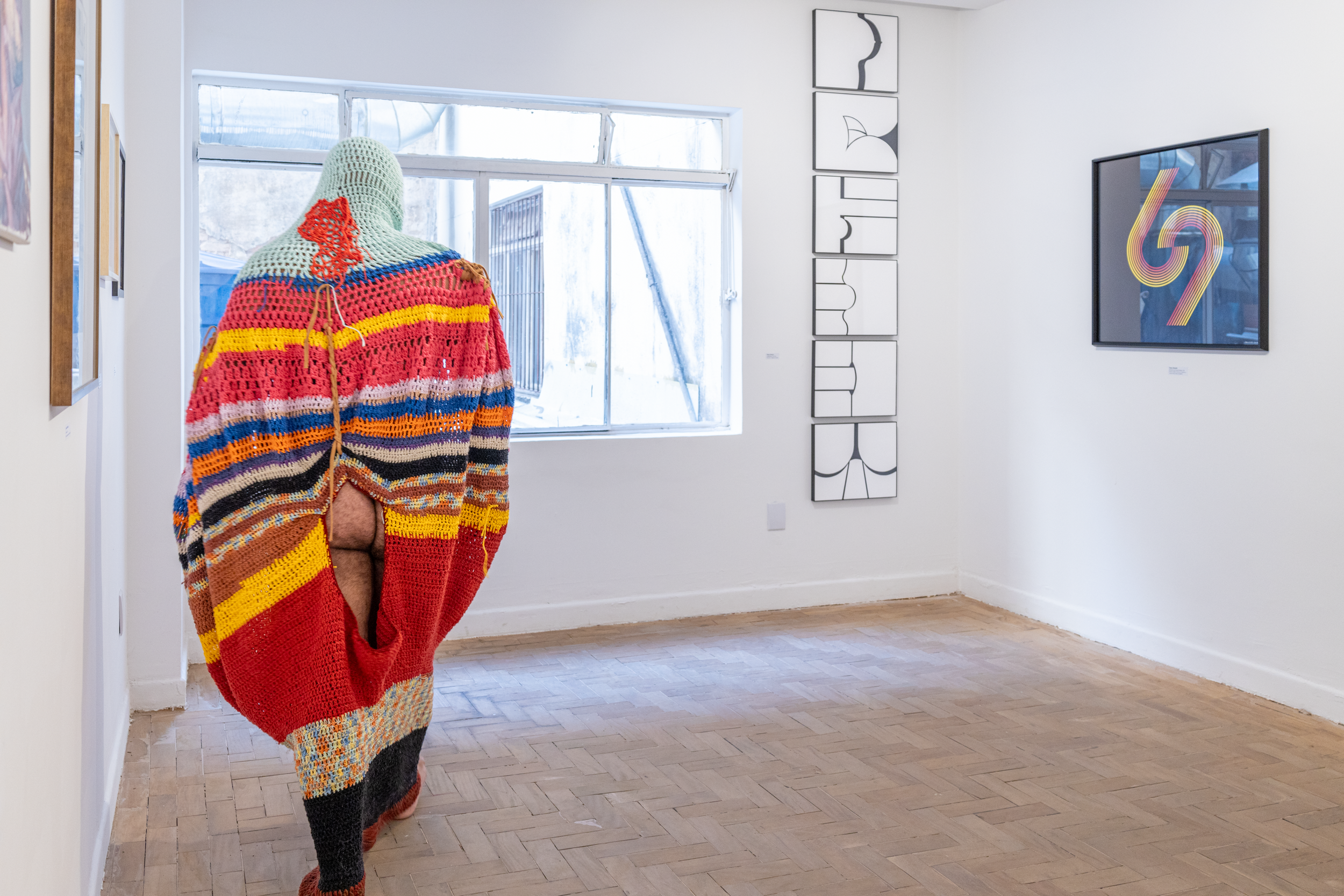
As historical and social agents, artists represent bodies based on what they see, feel, know, and believe. The body, historically viewed as a theme, becomes a medium and material for poetic creation. Thus, all manner of distinct bodily practices, sexual impulses, transgressions, and carnalities emerge. Free bodies and sexualities endowed with pluriversal dimensions are exposed.
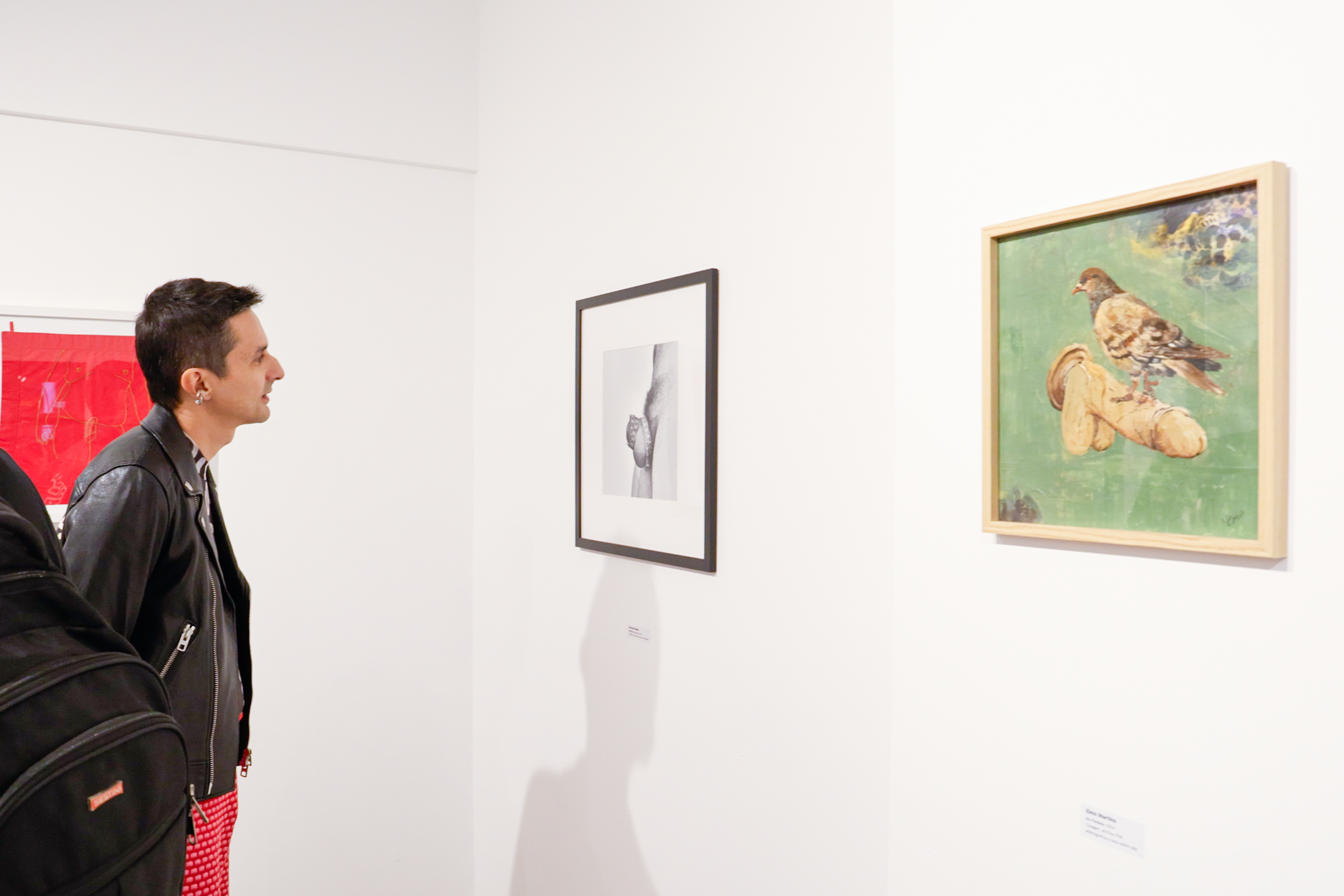
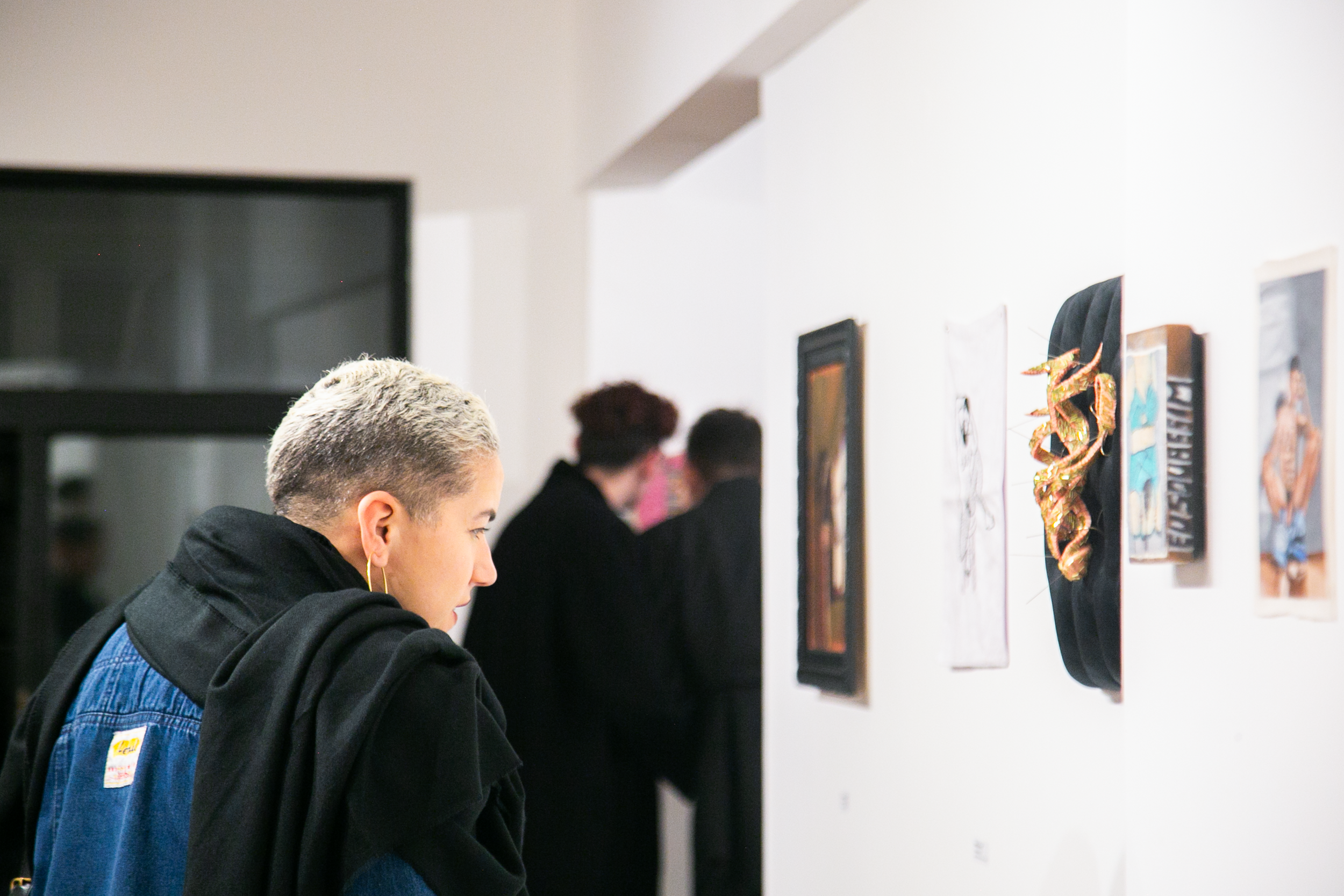
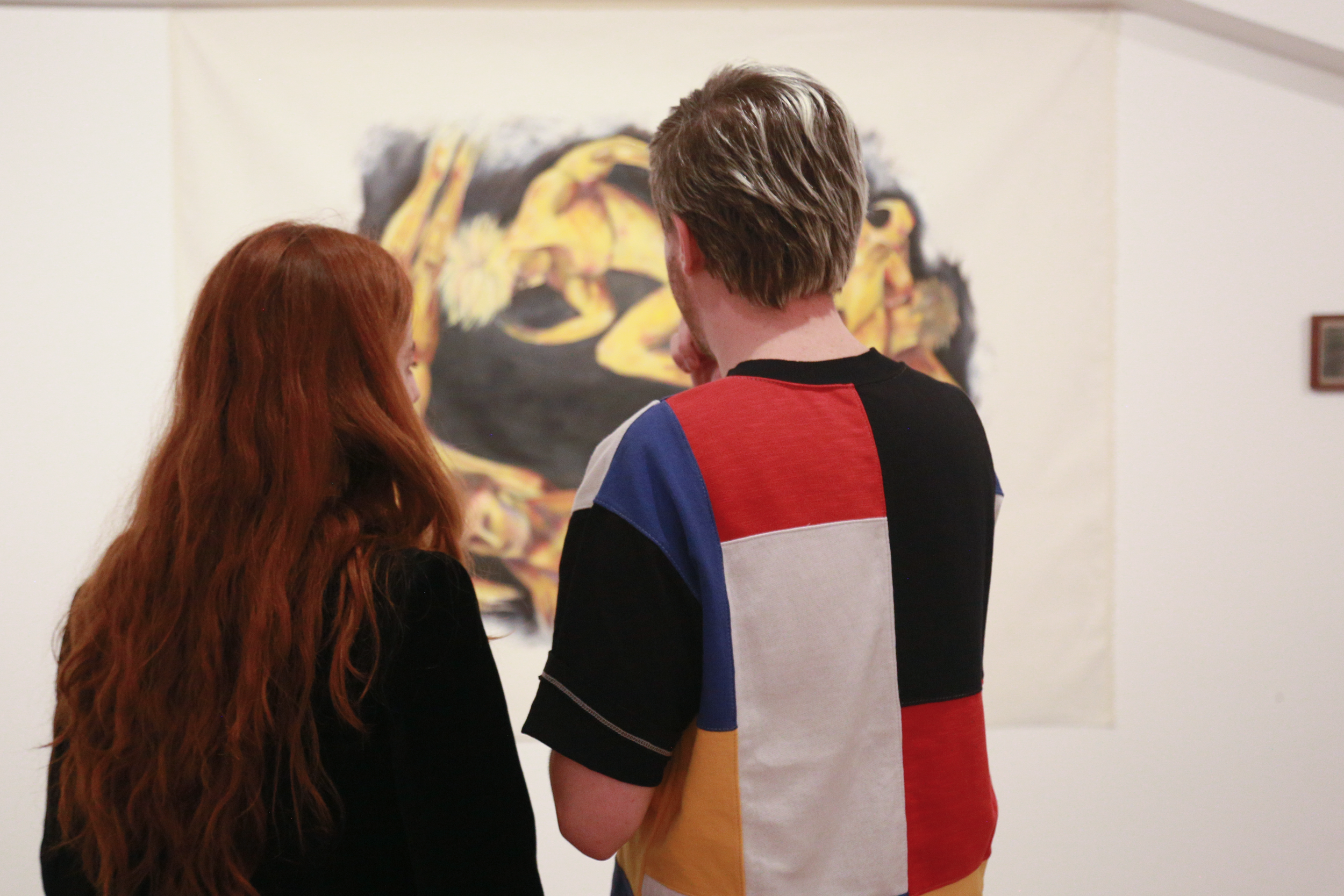
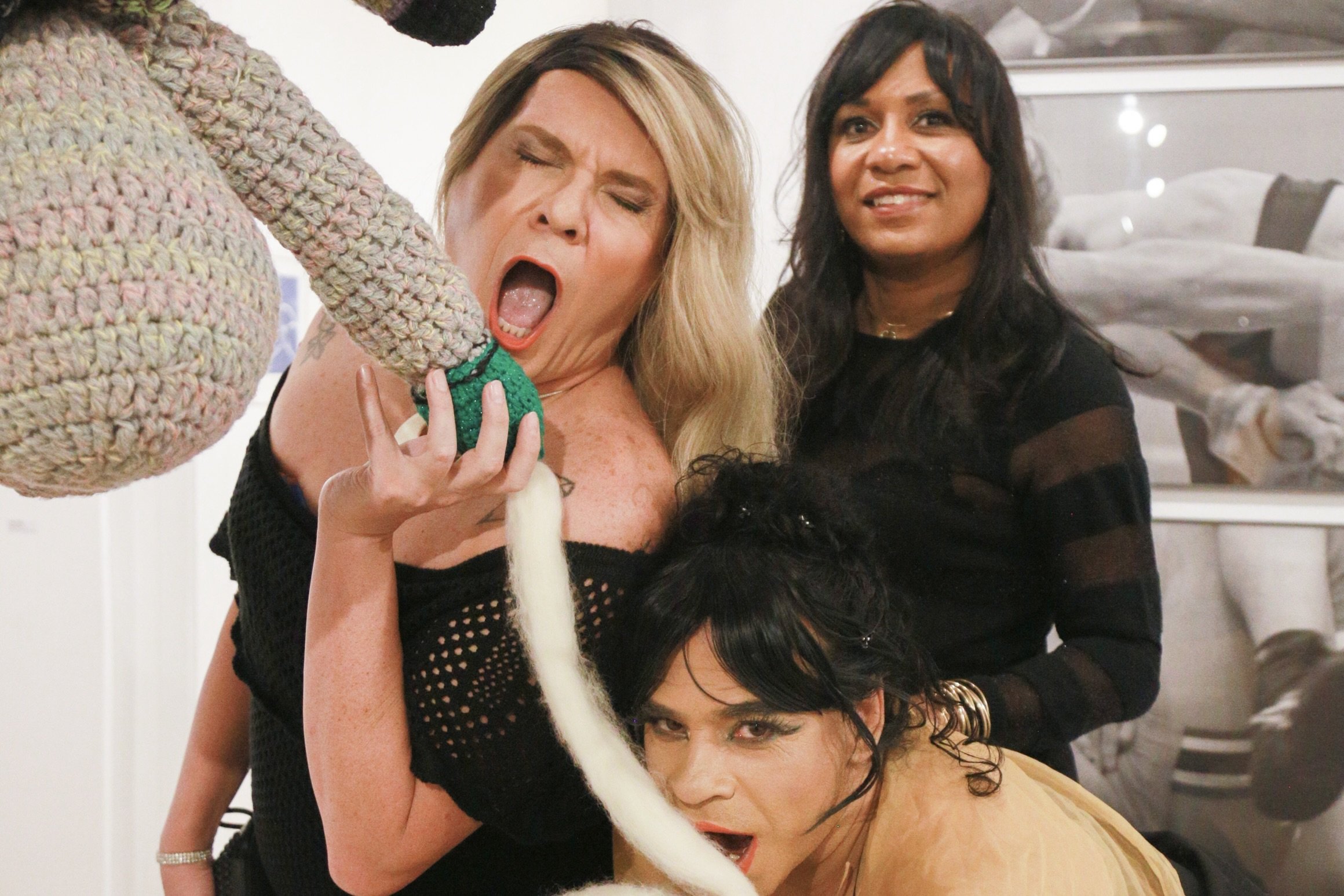
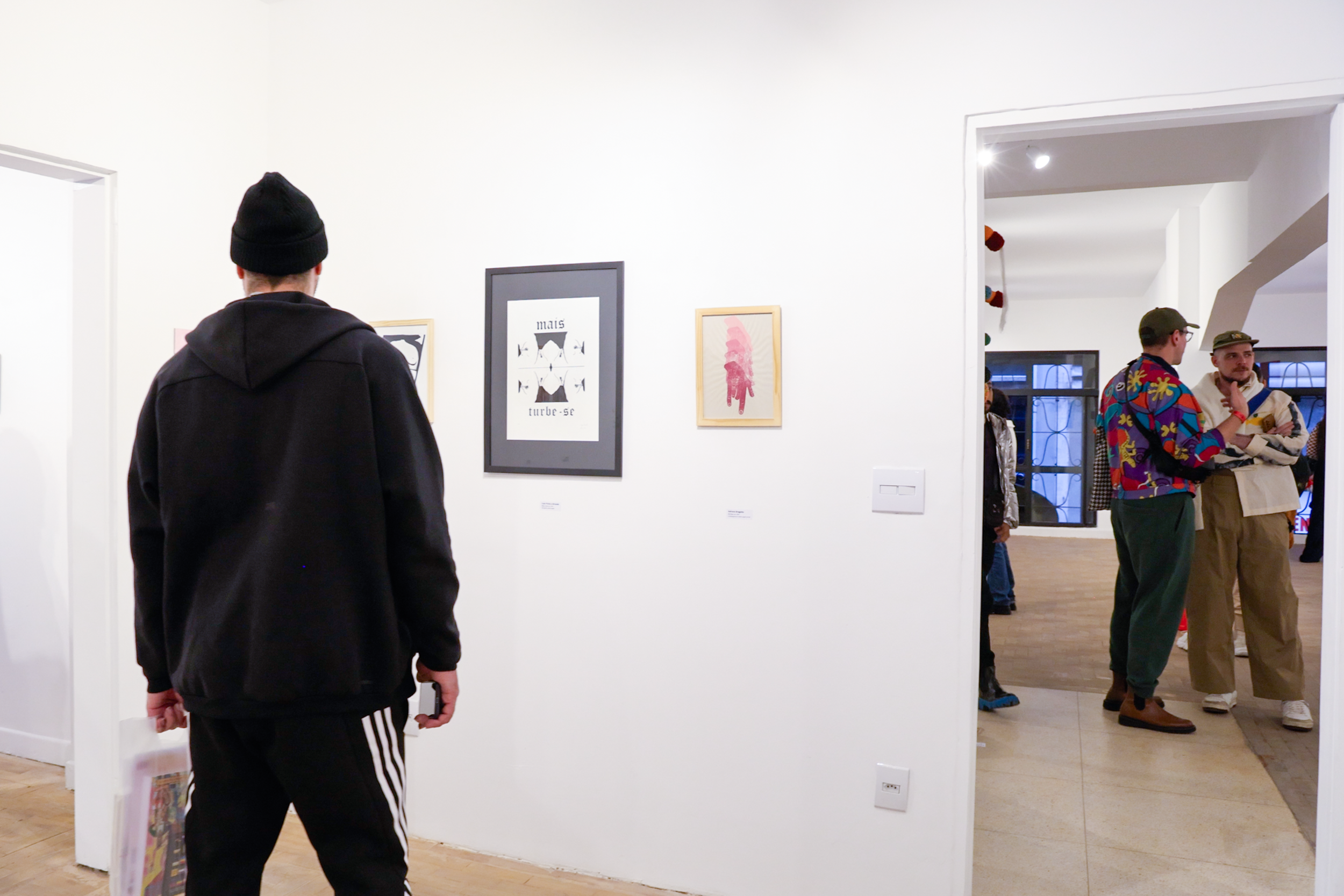
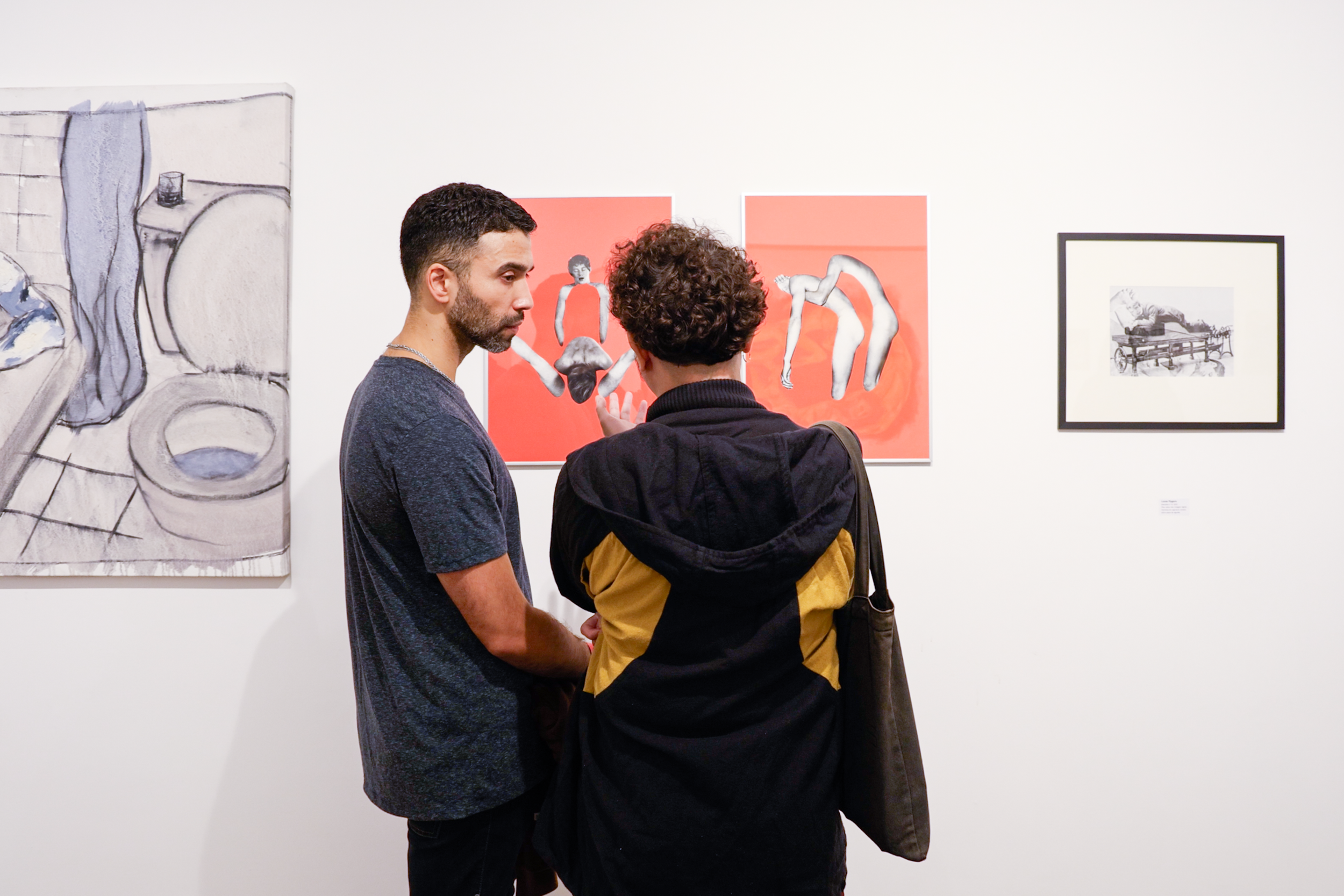
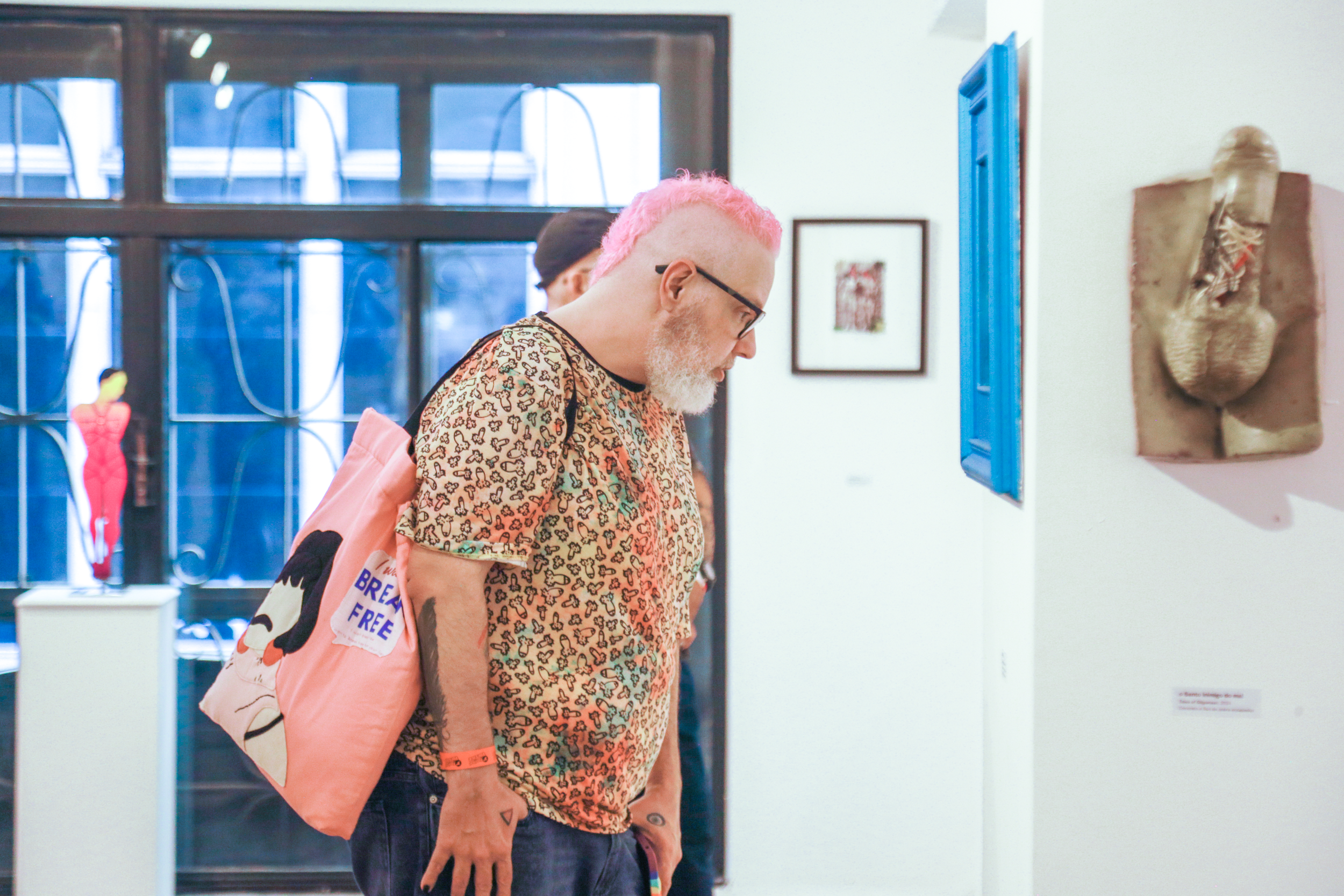
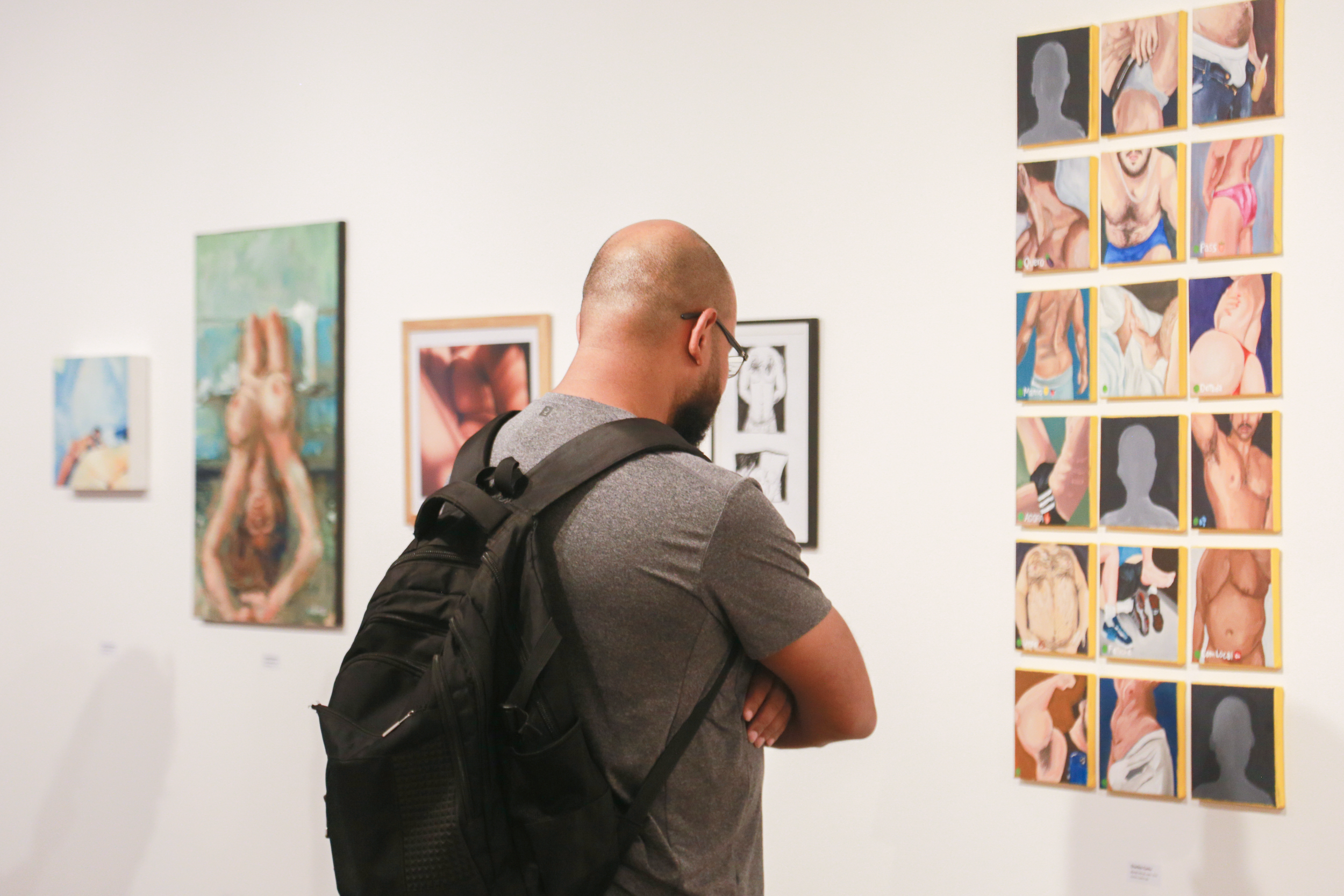
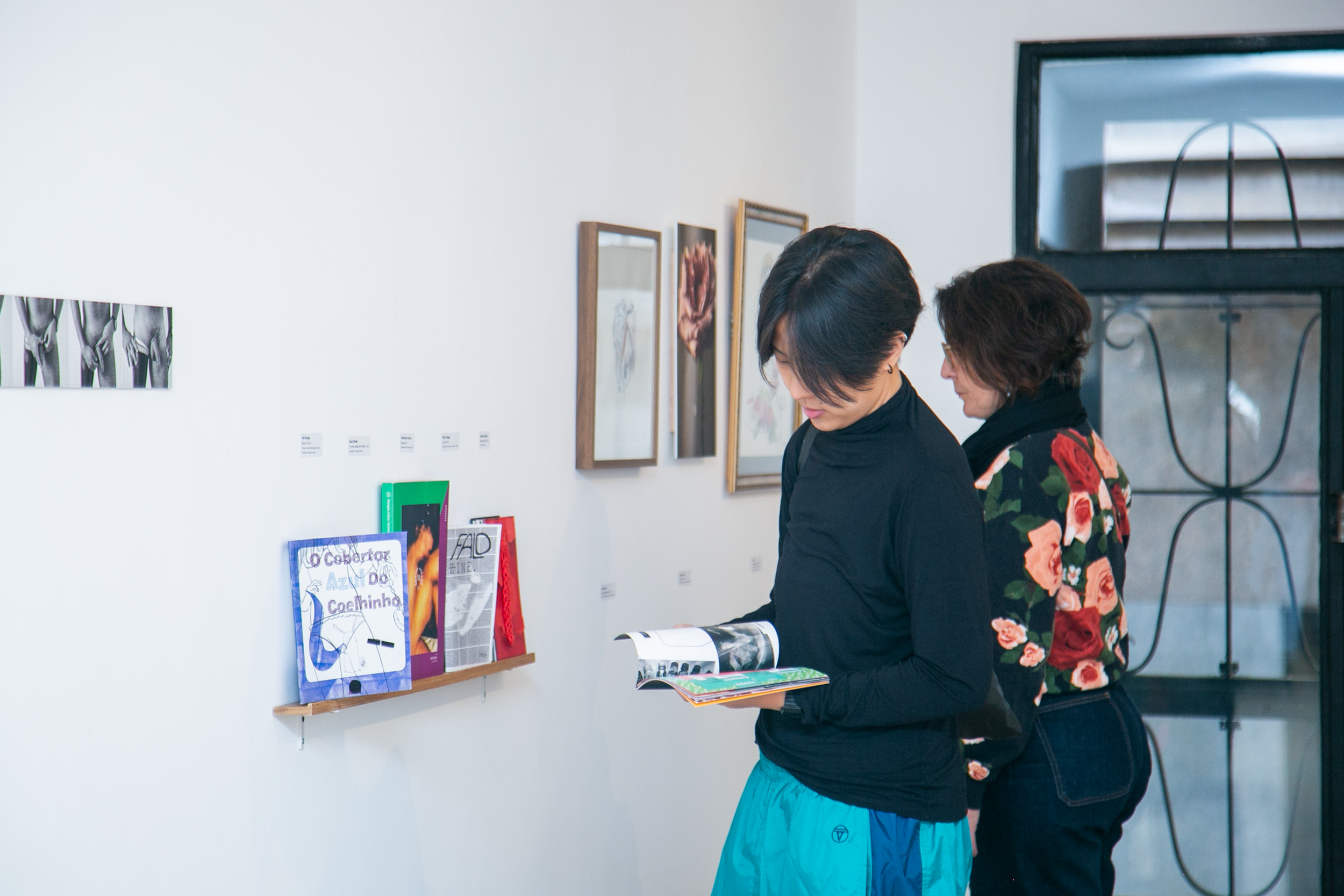
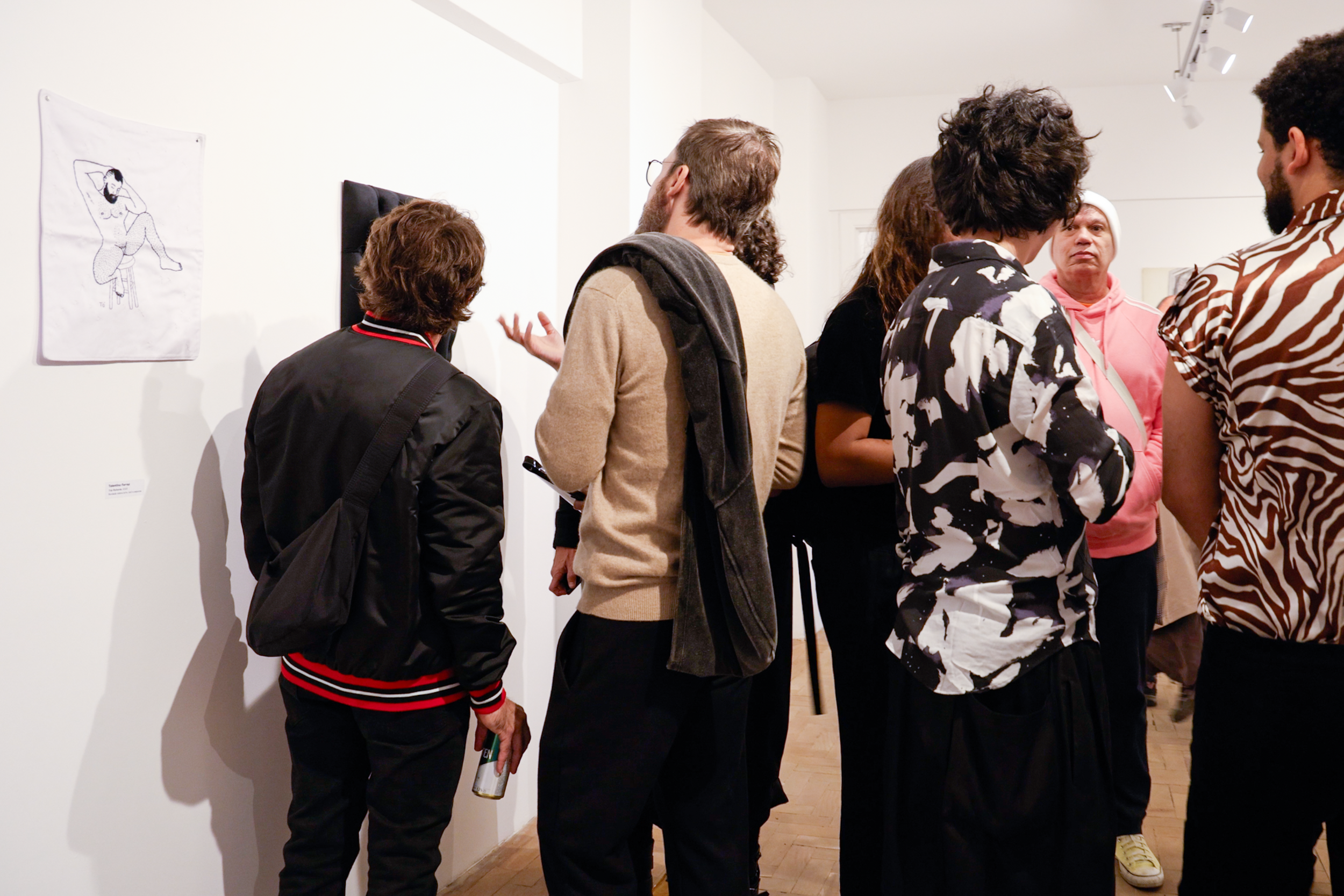
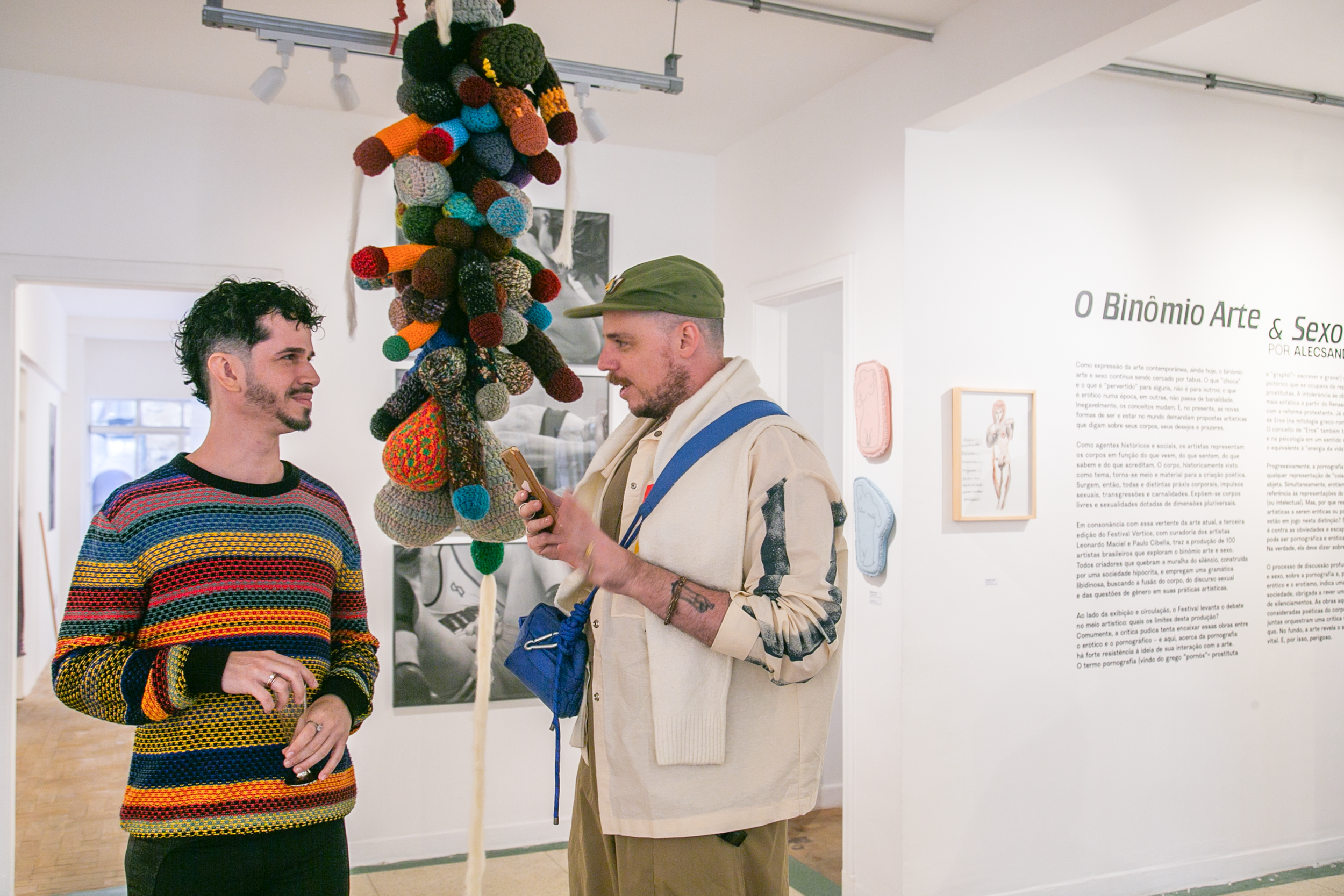
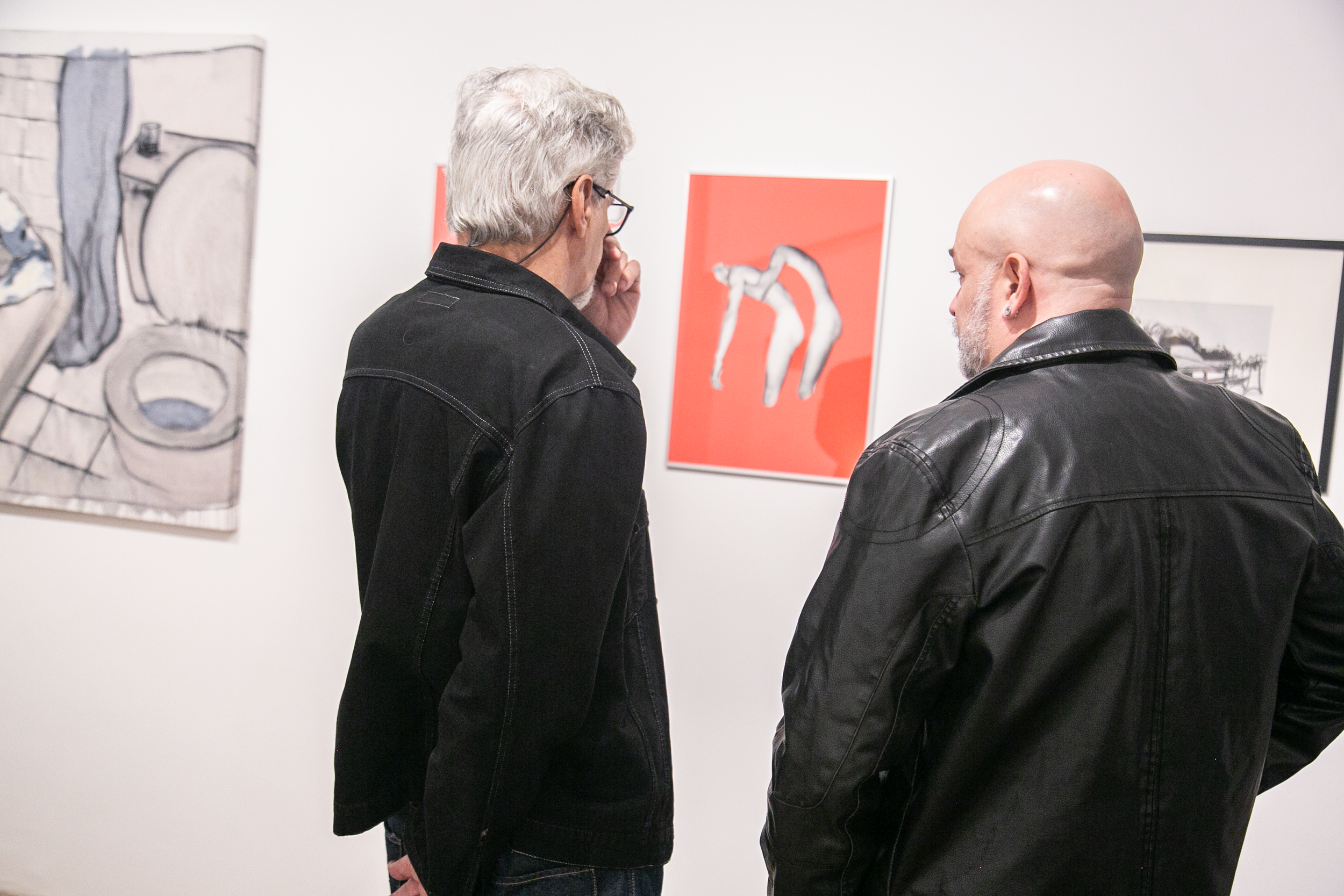
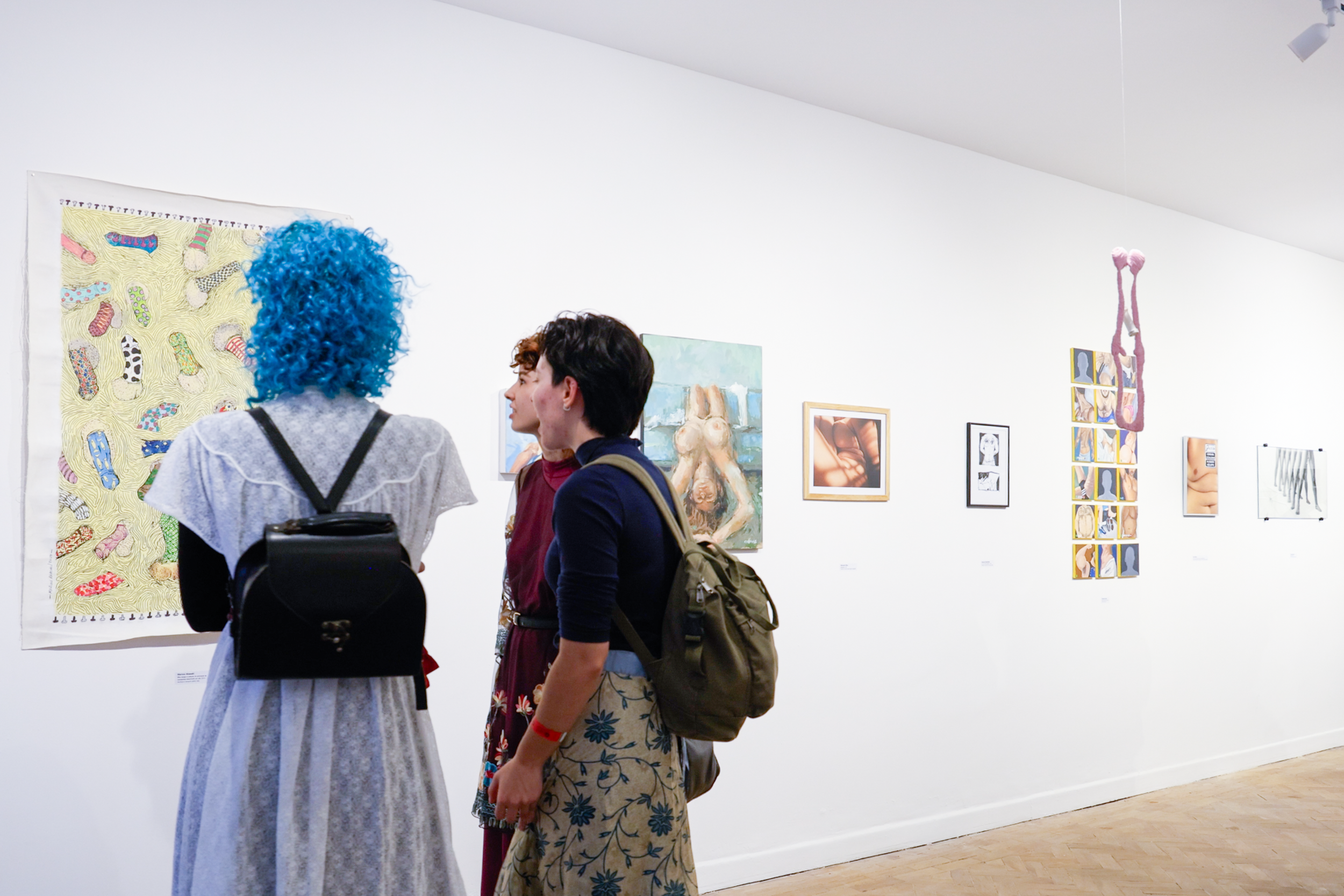
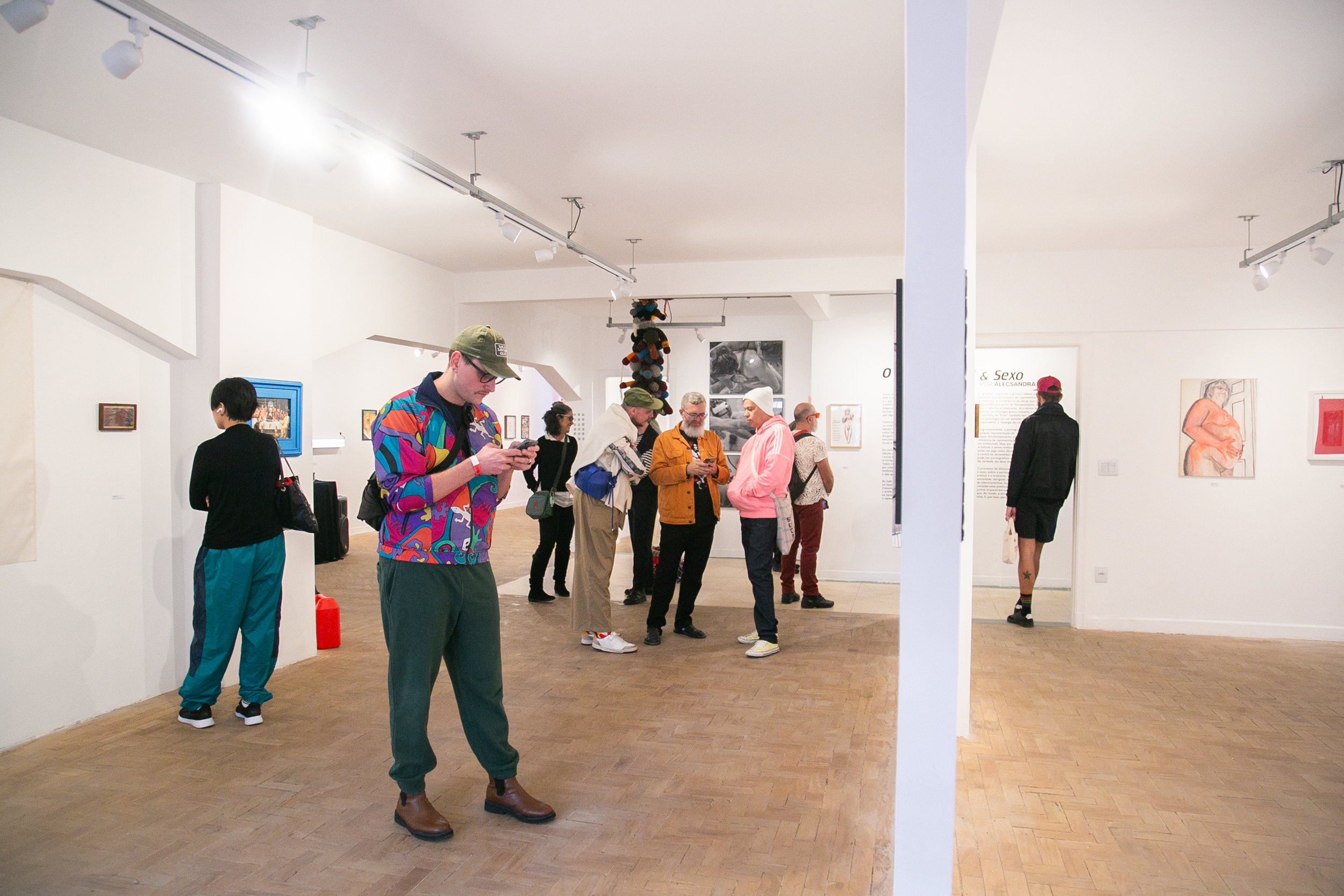
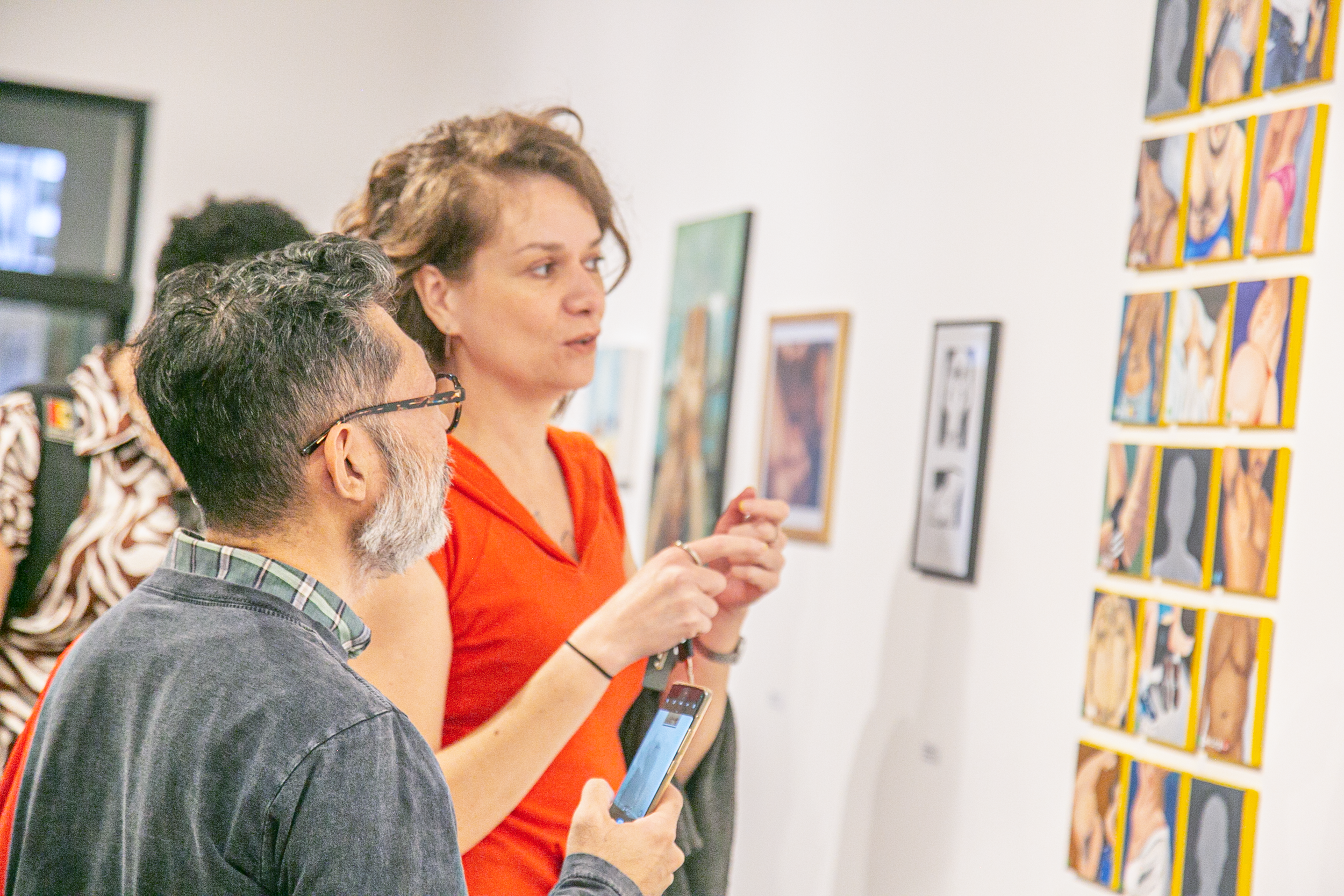
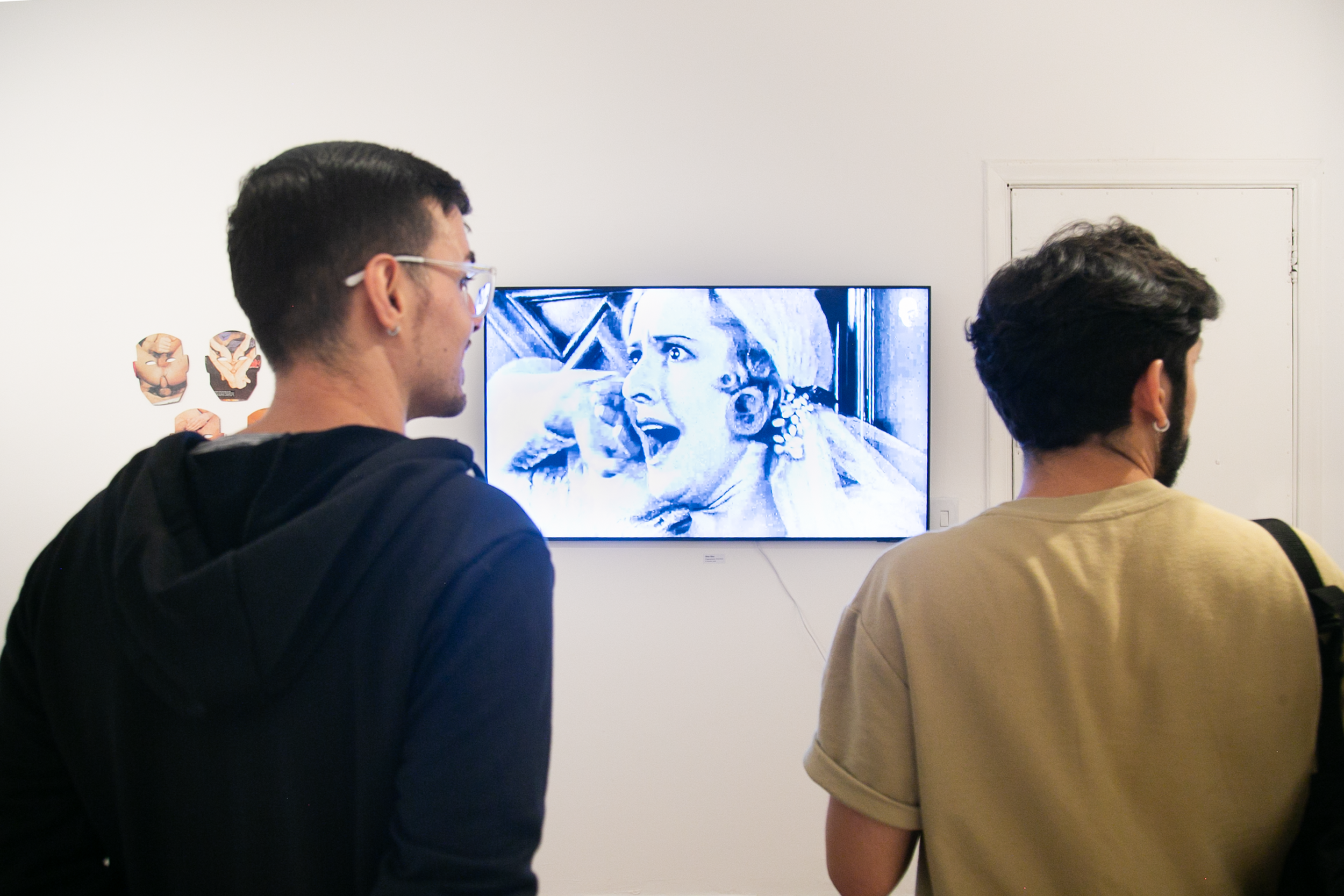
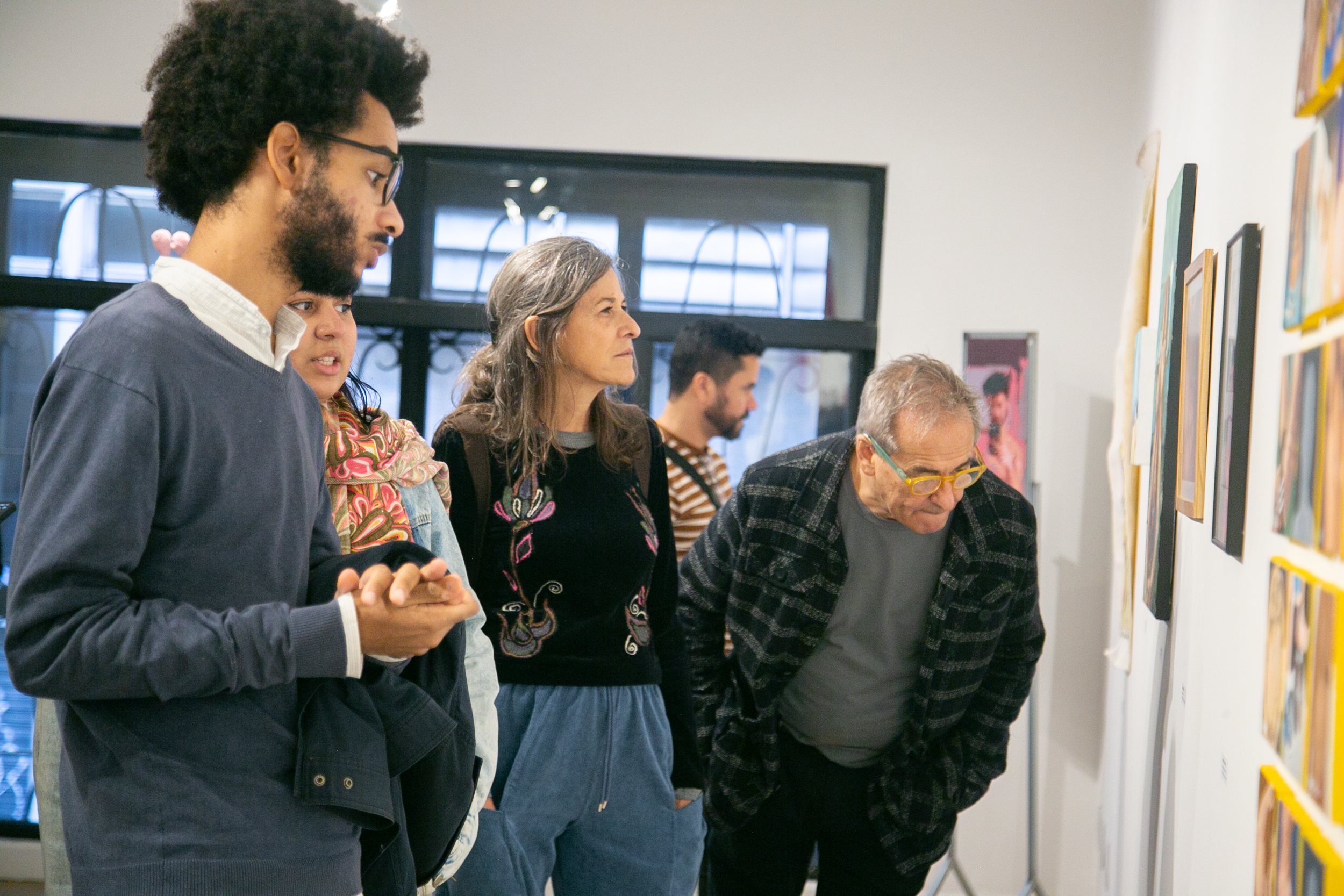
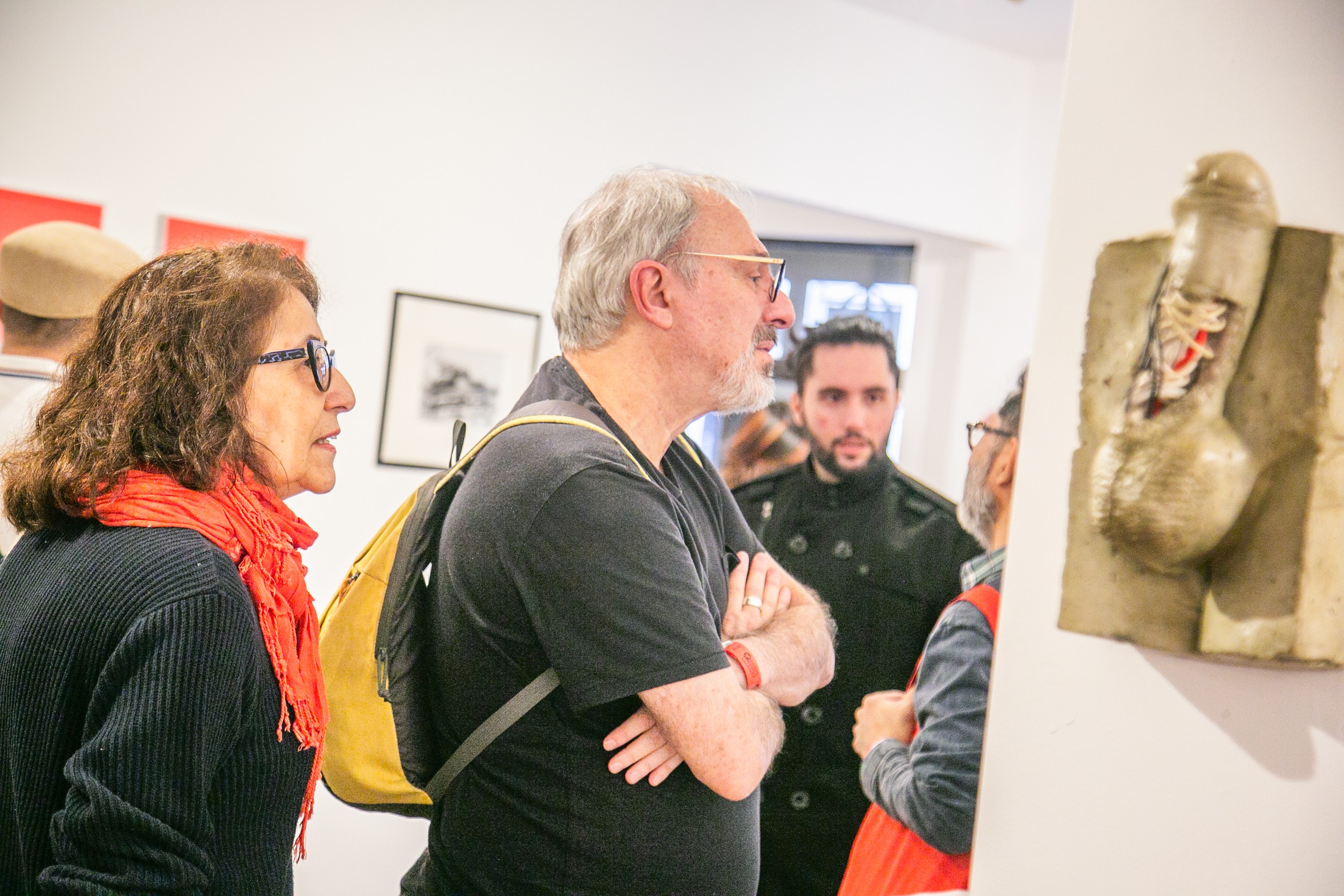
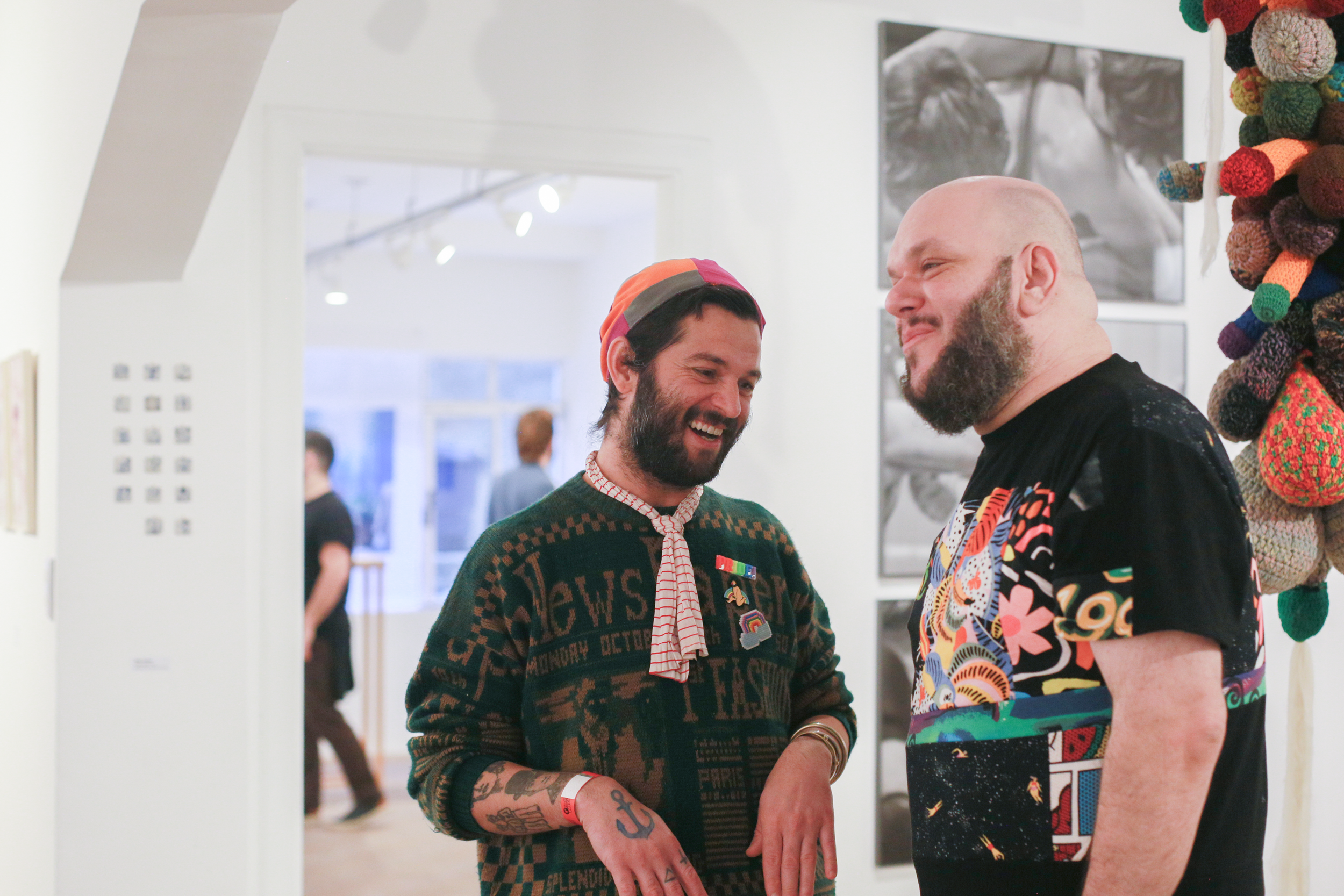
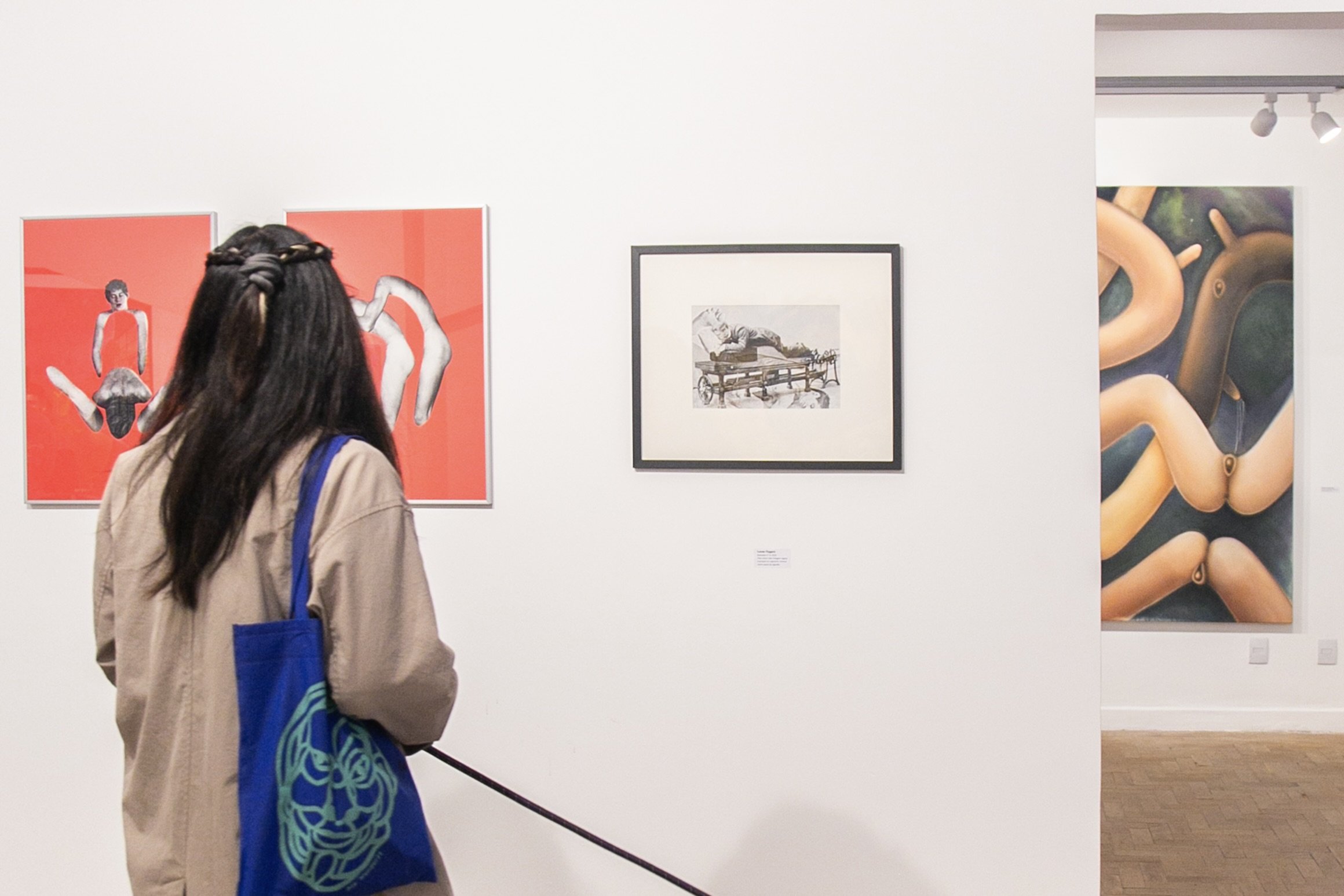
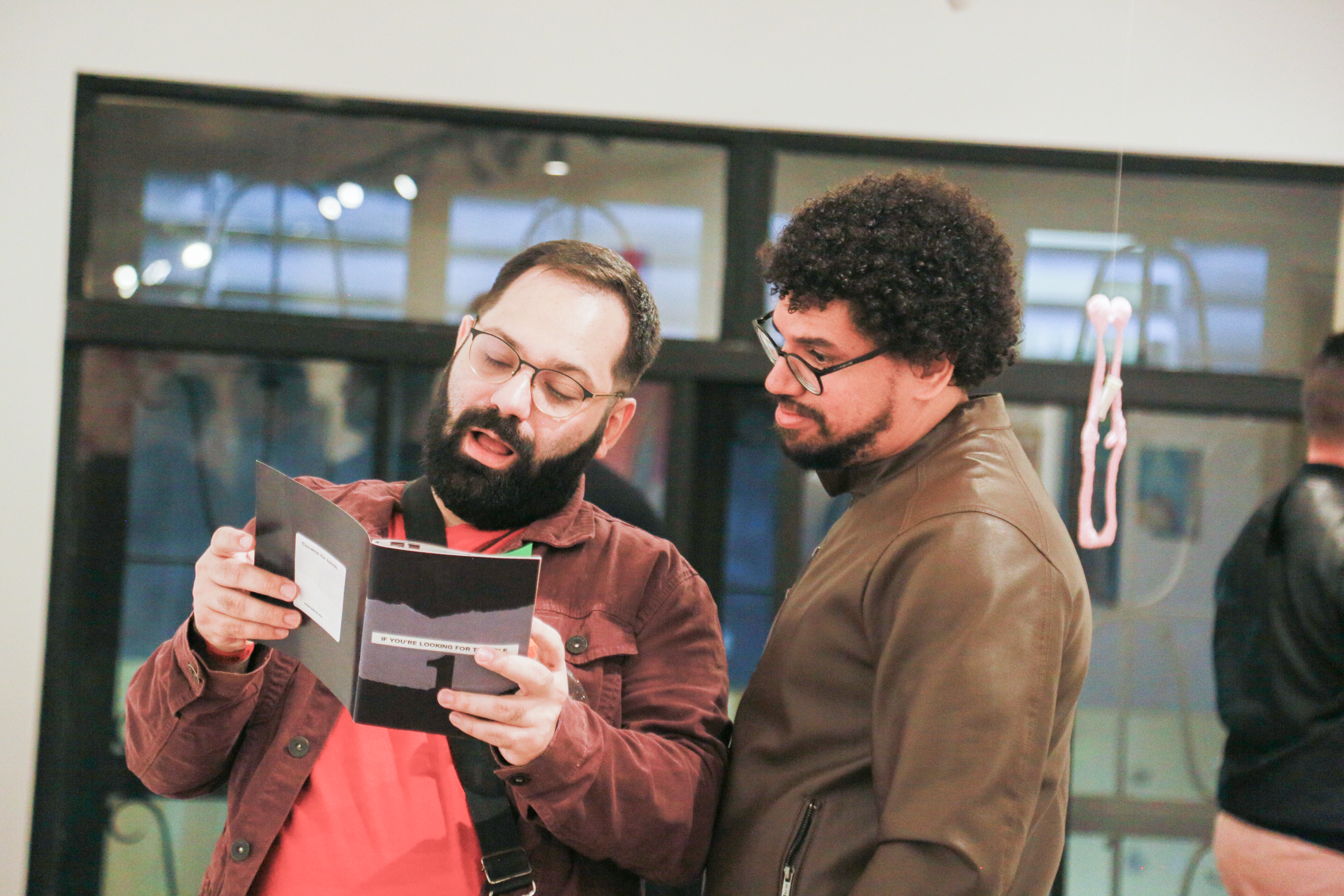
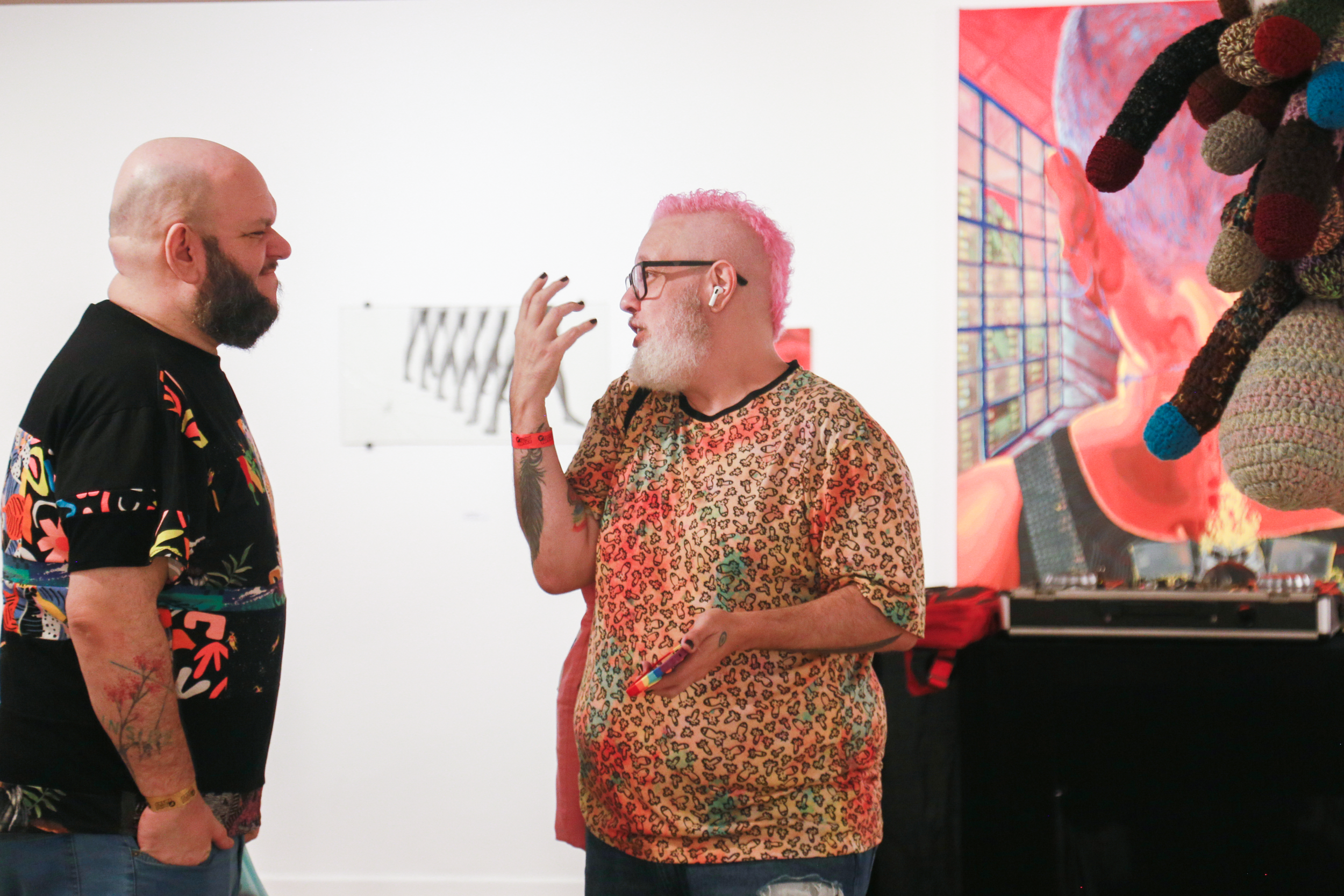
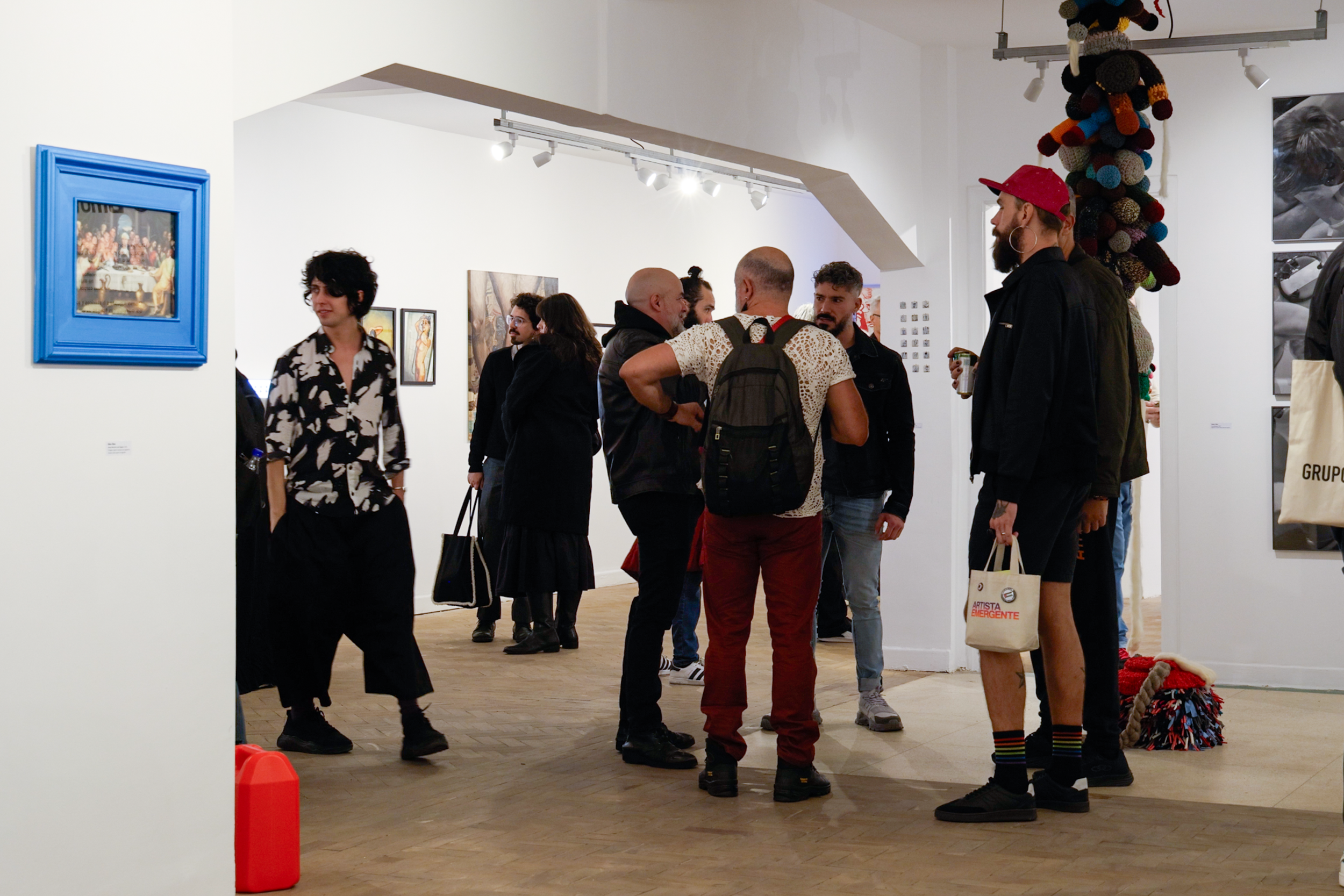
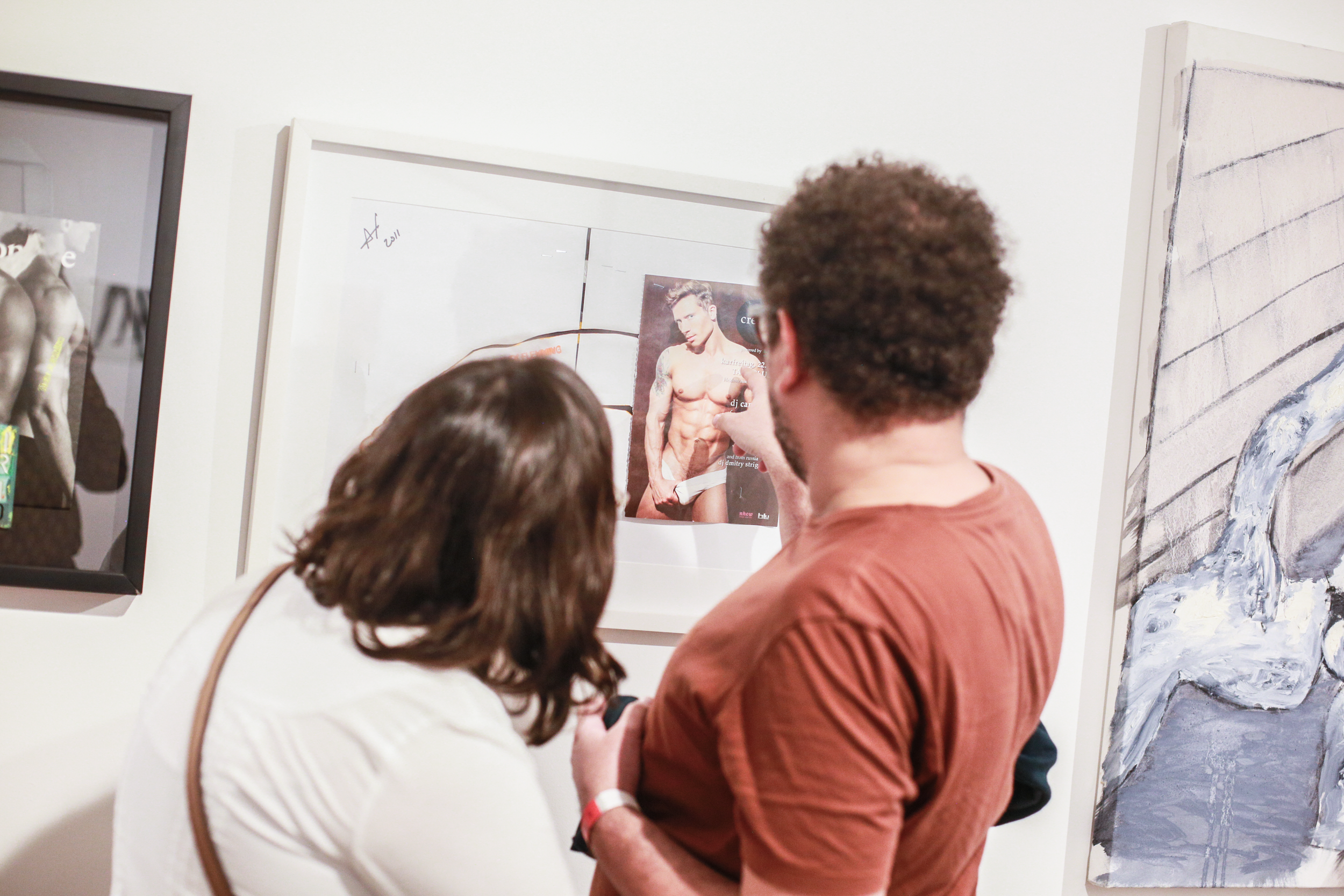
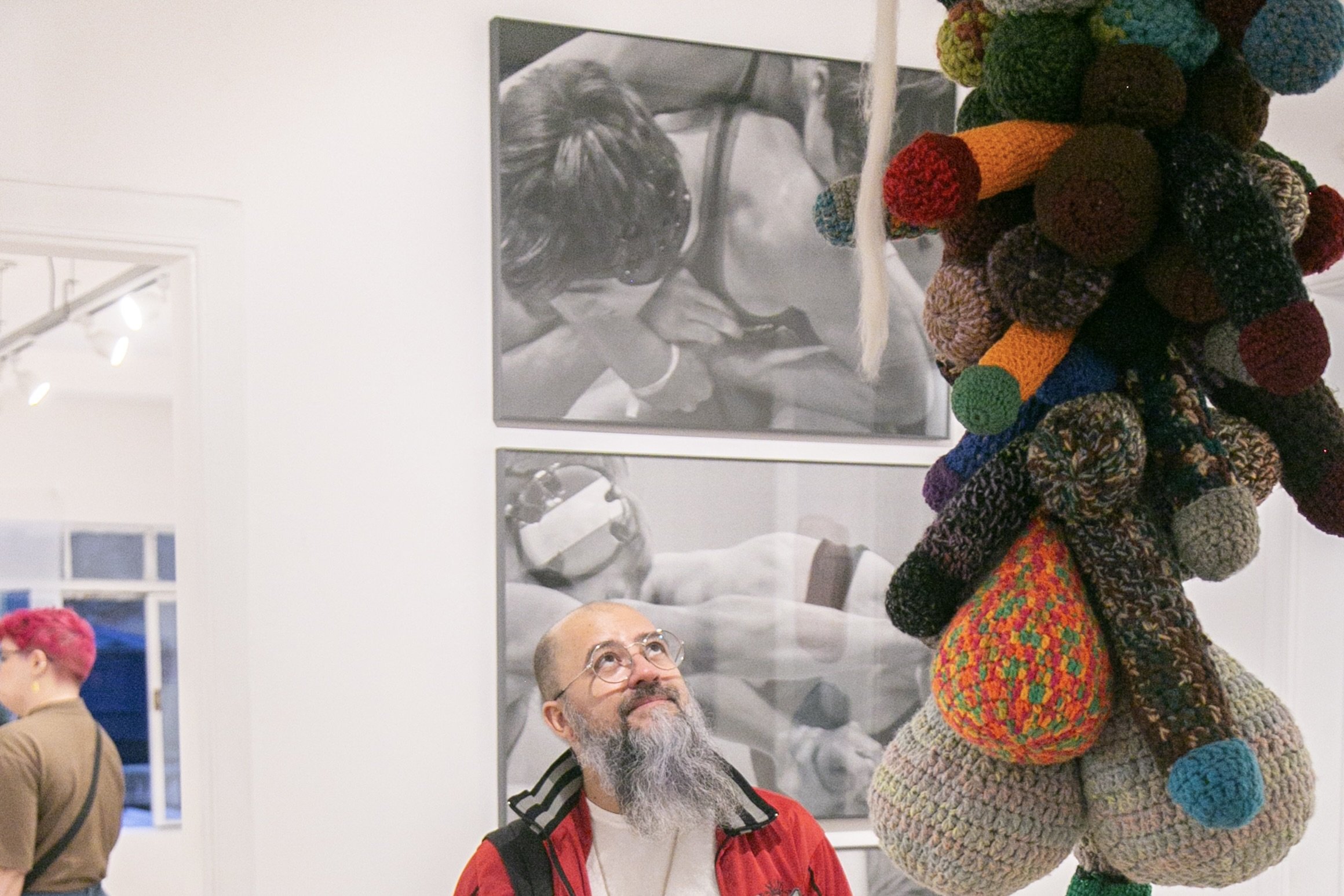
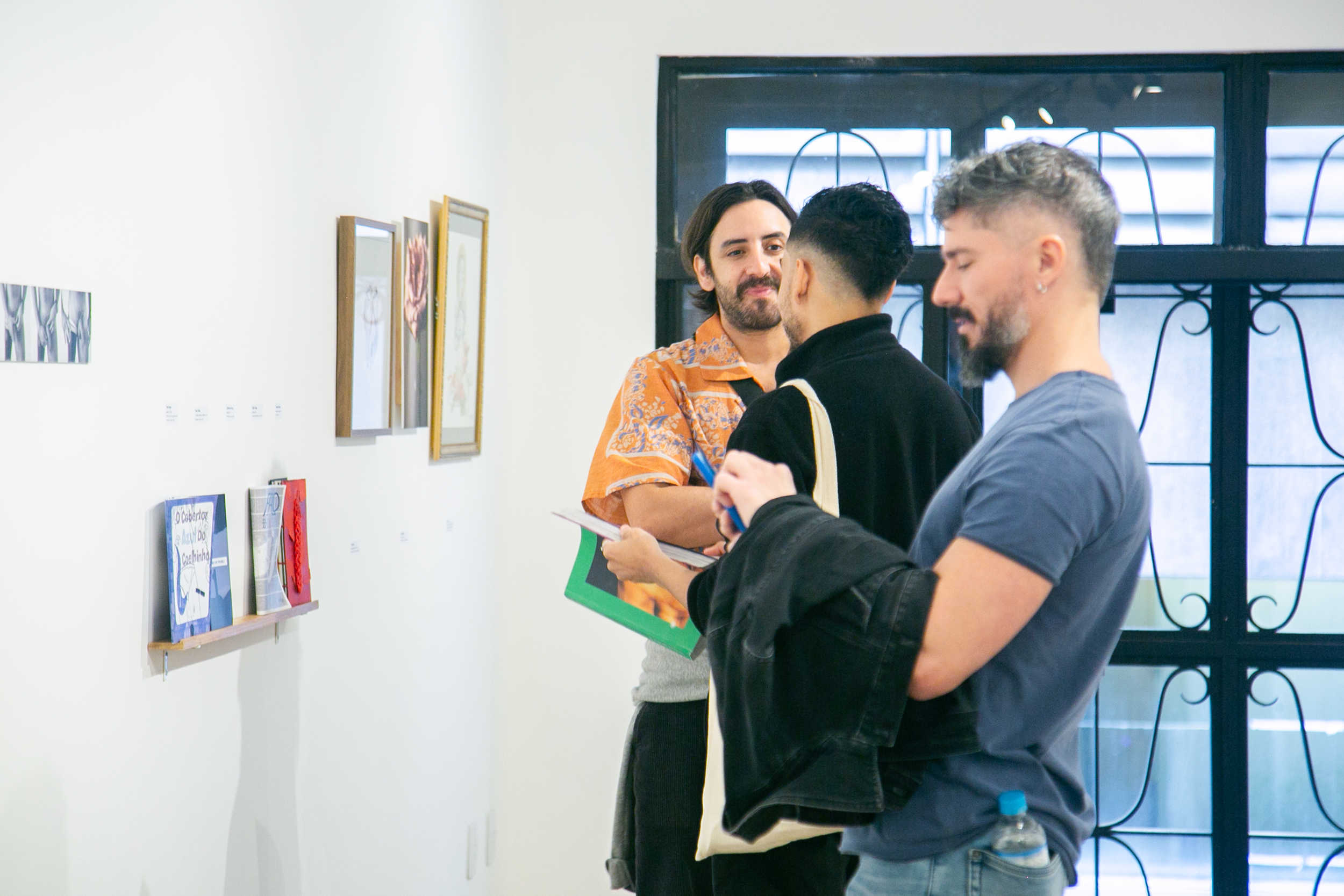
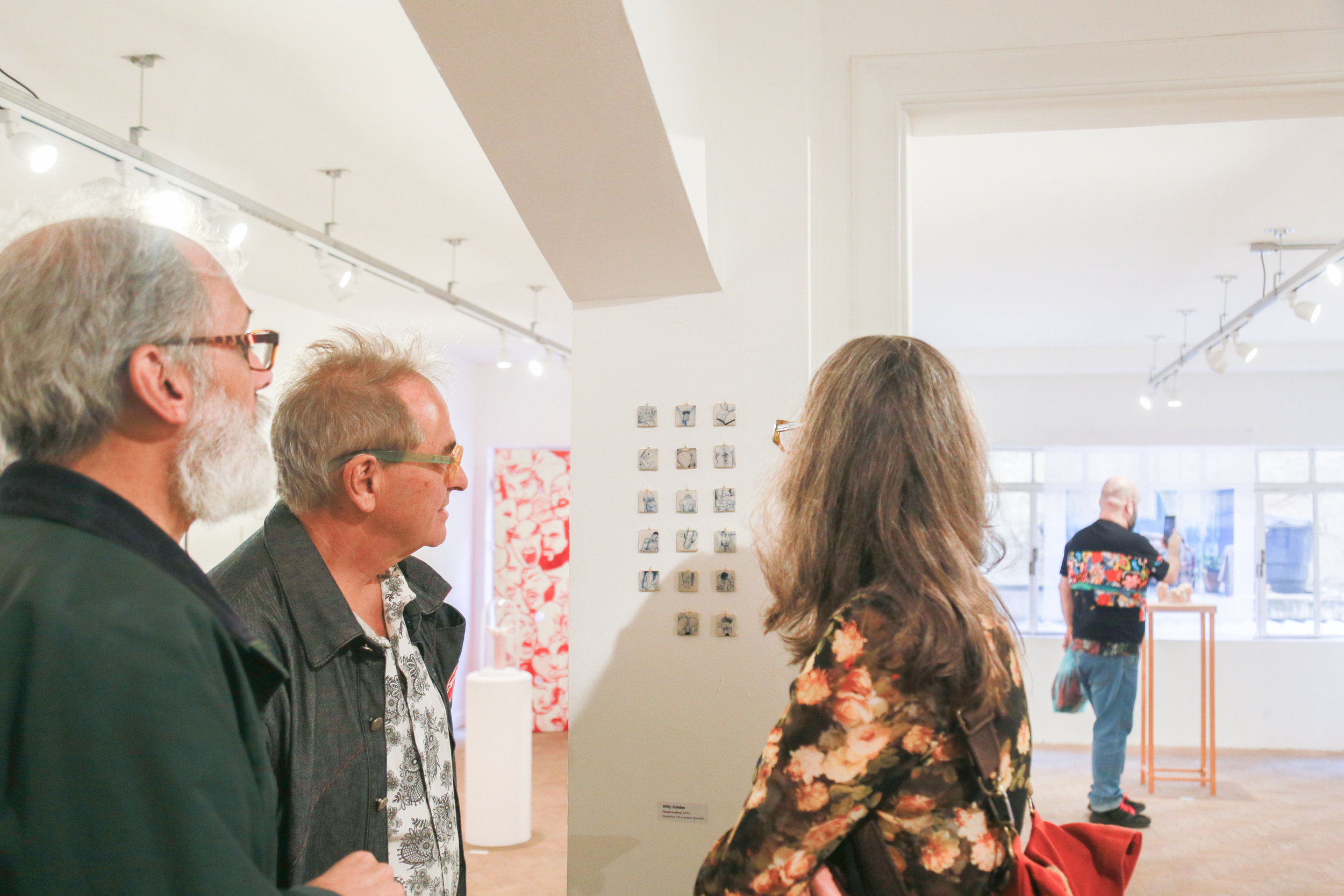
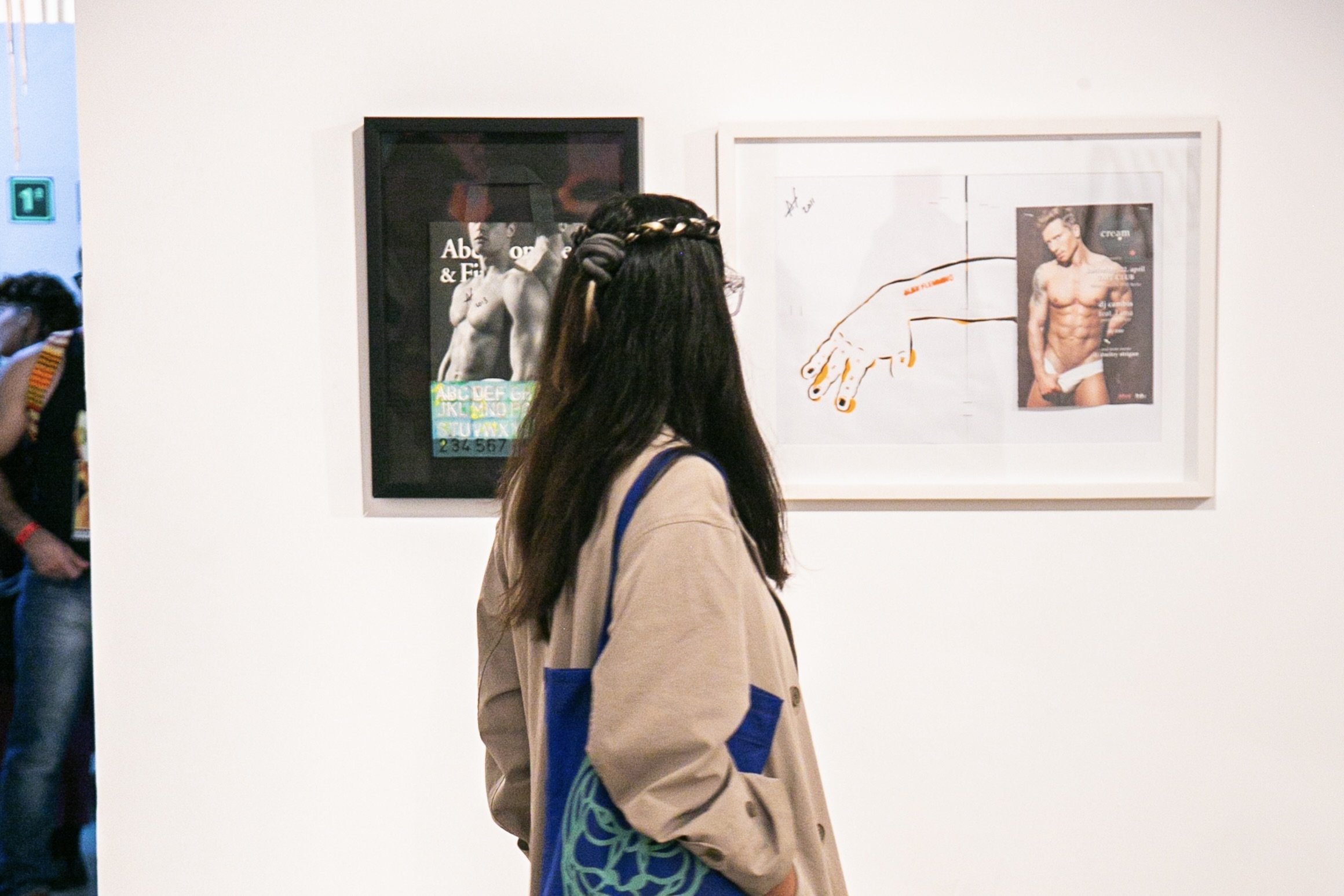
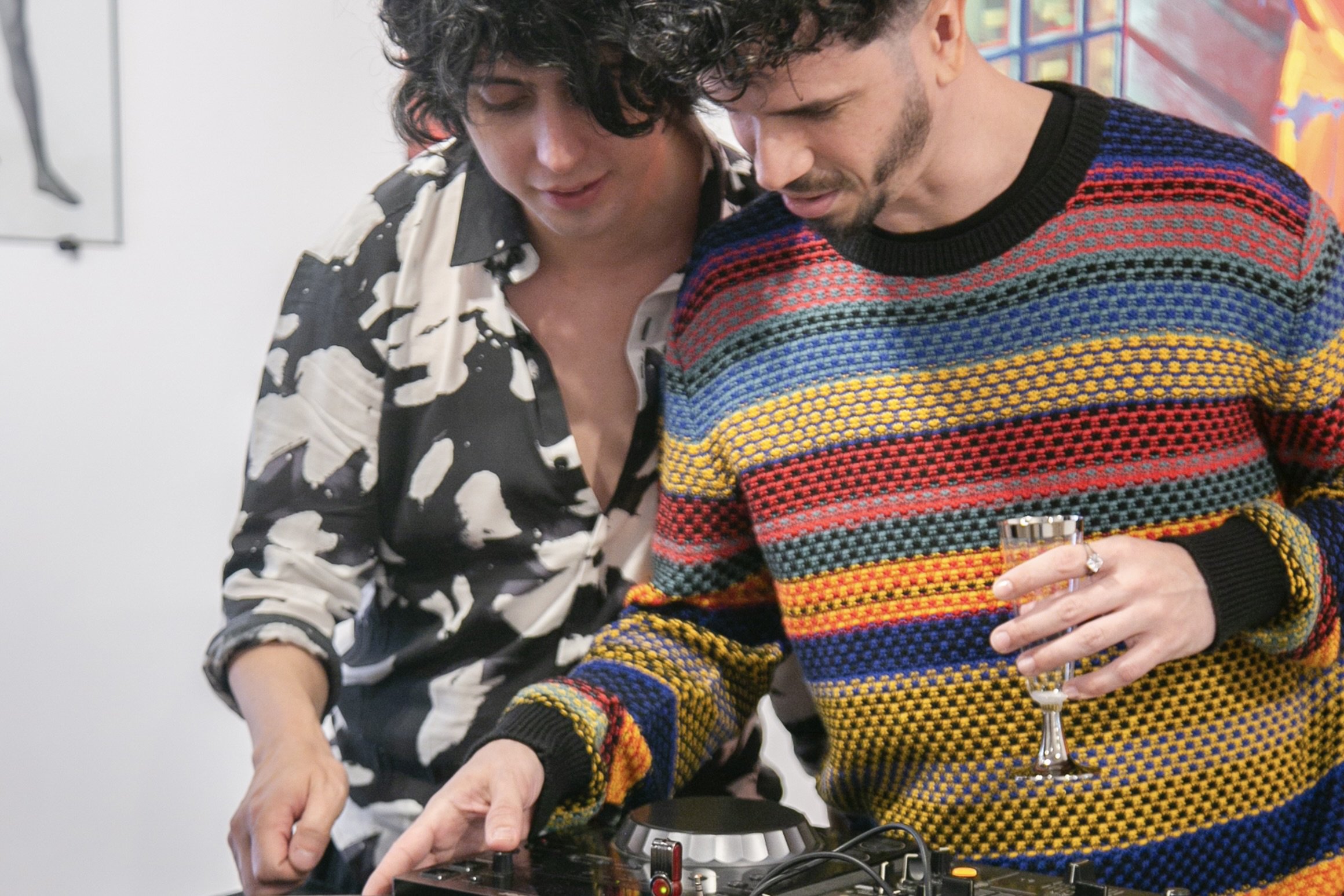
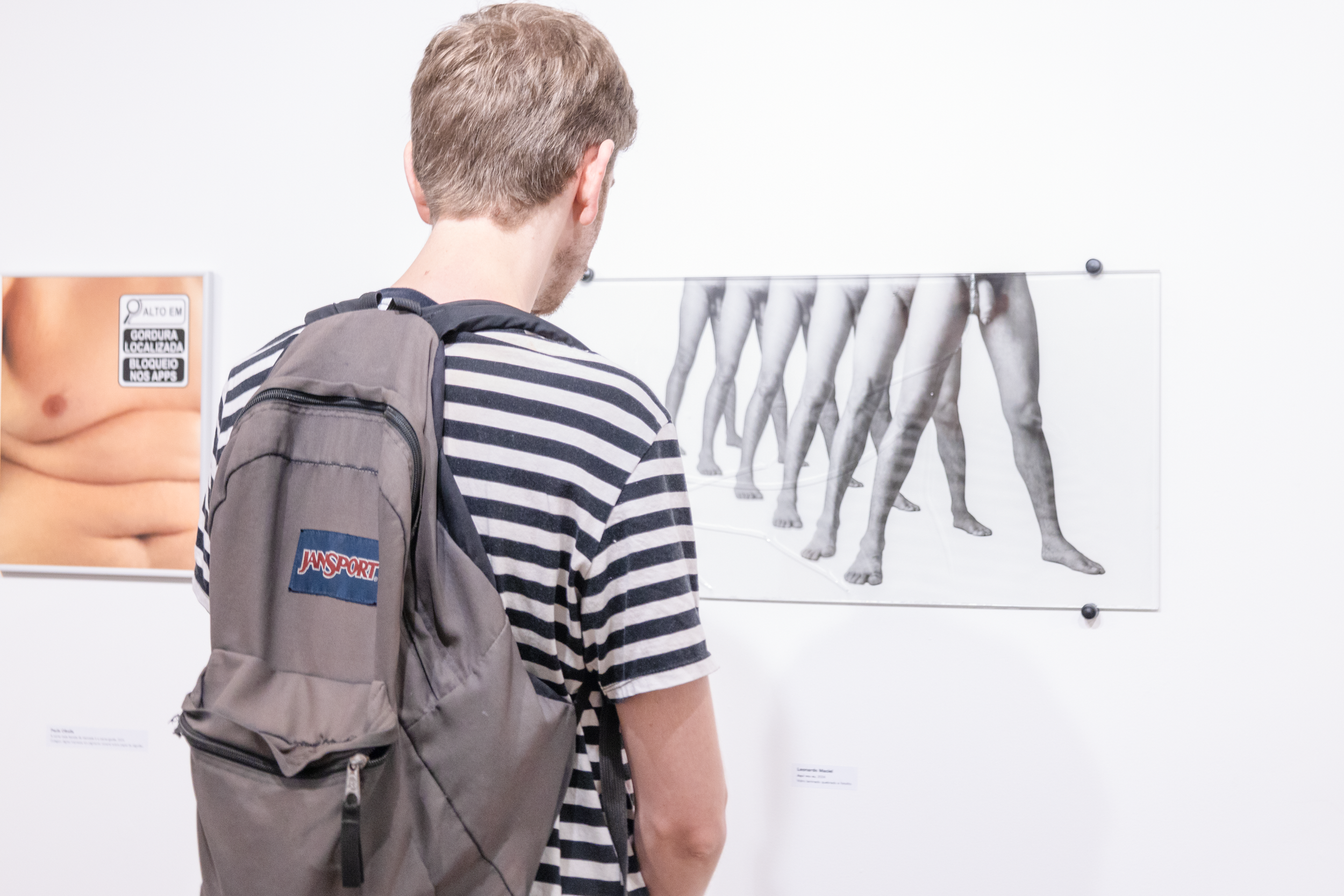
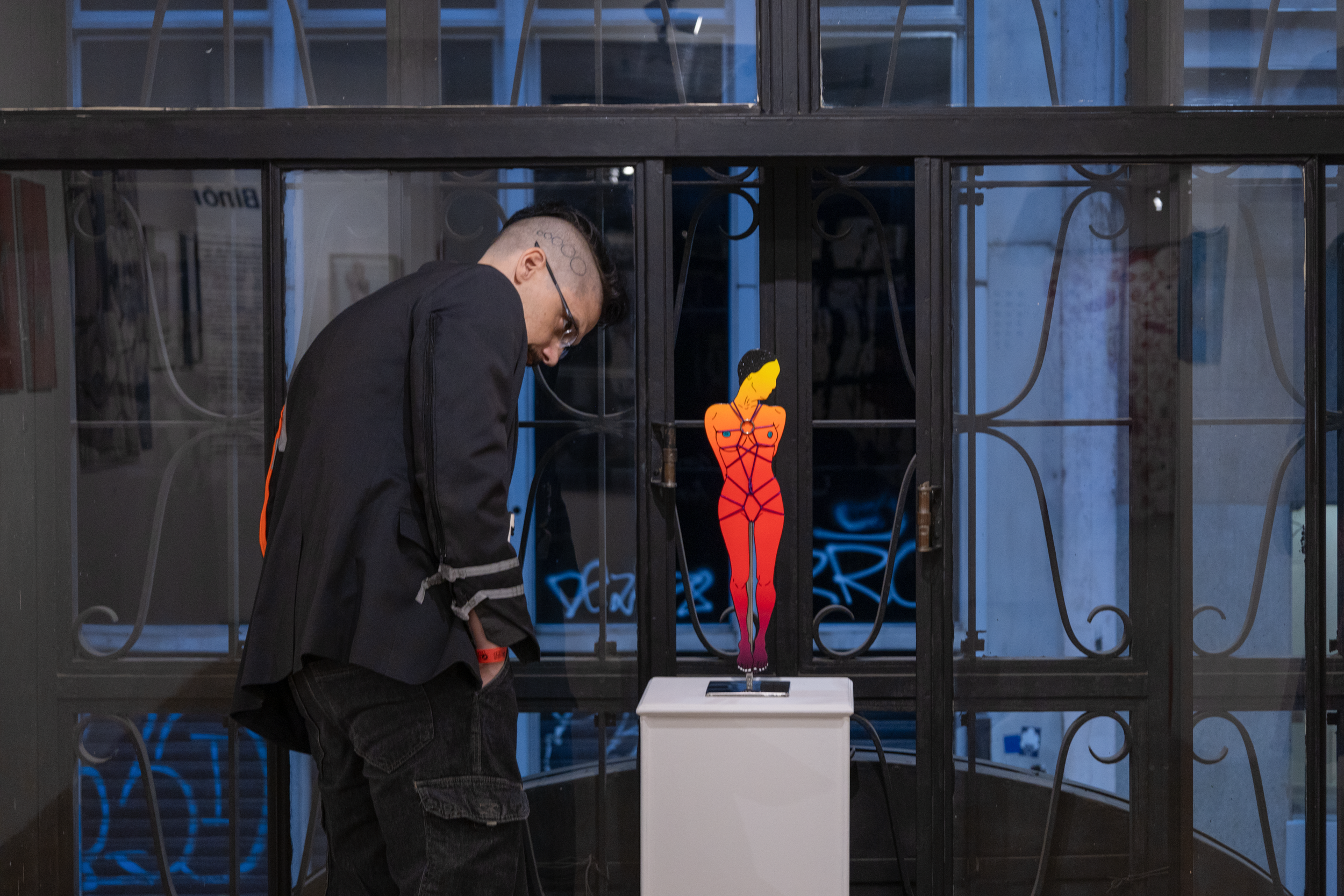
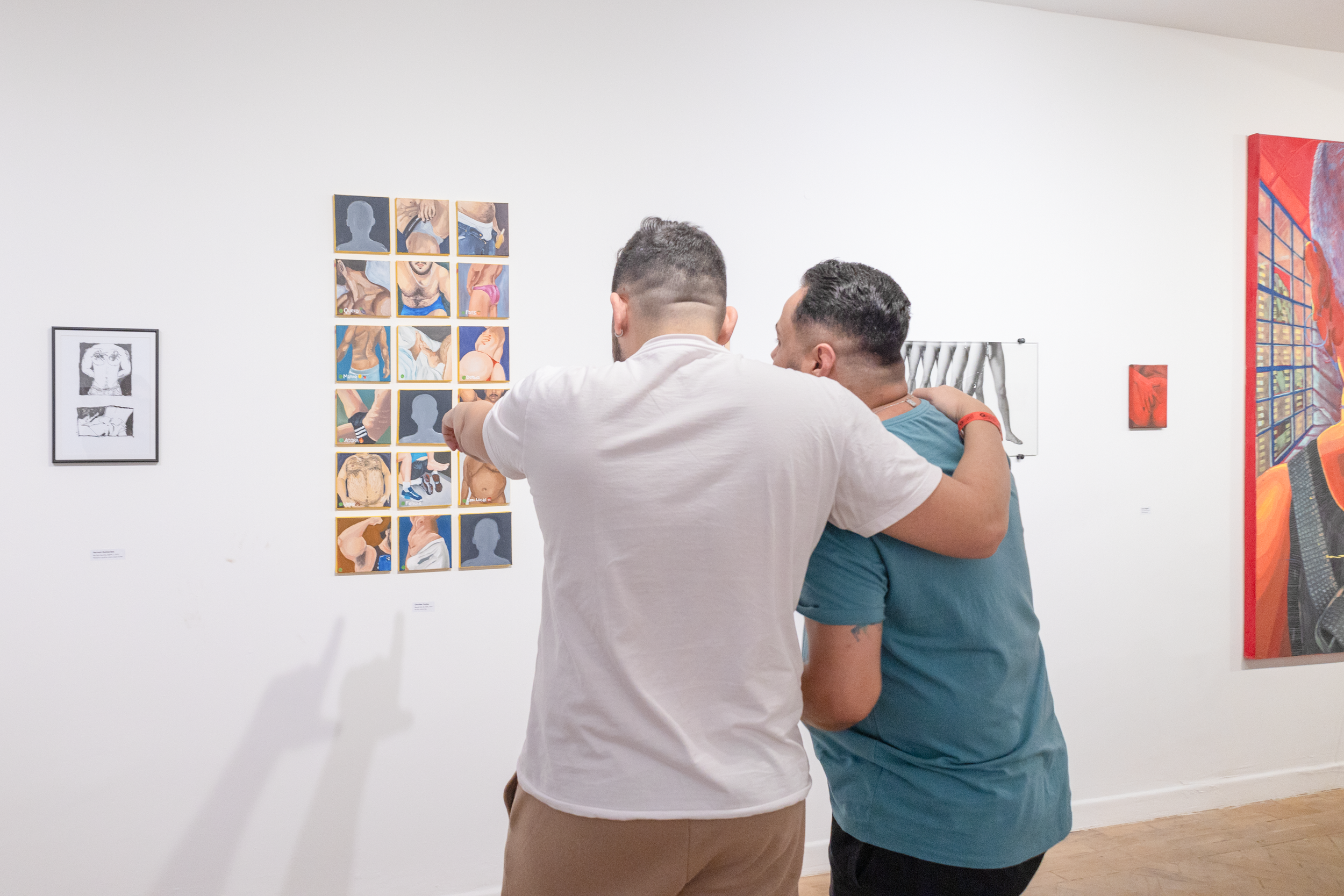
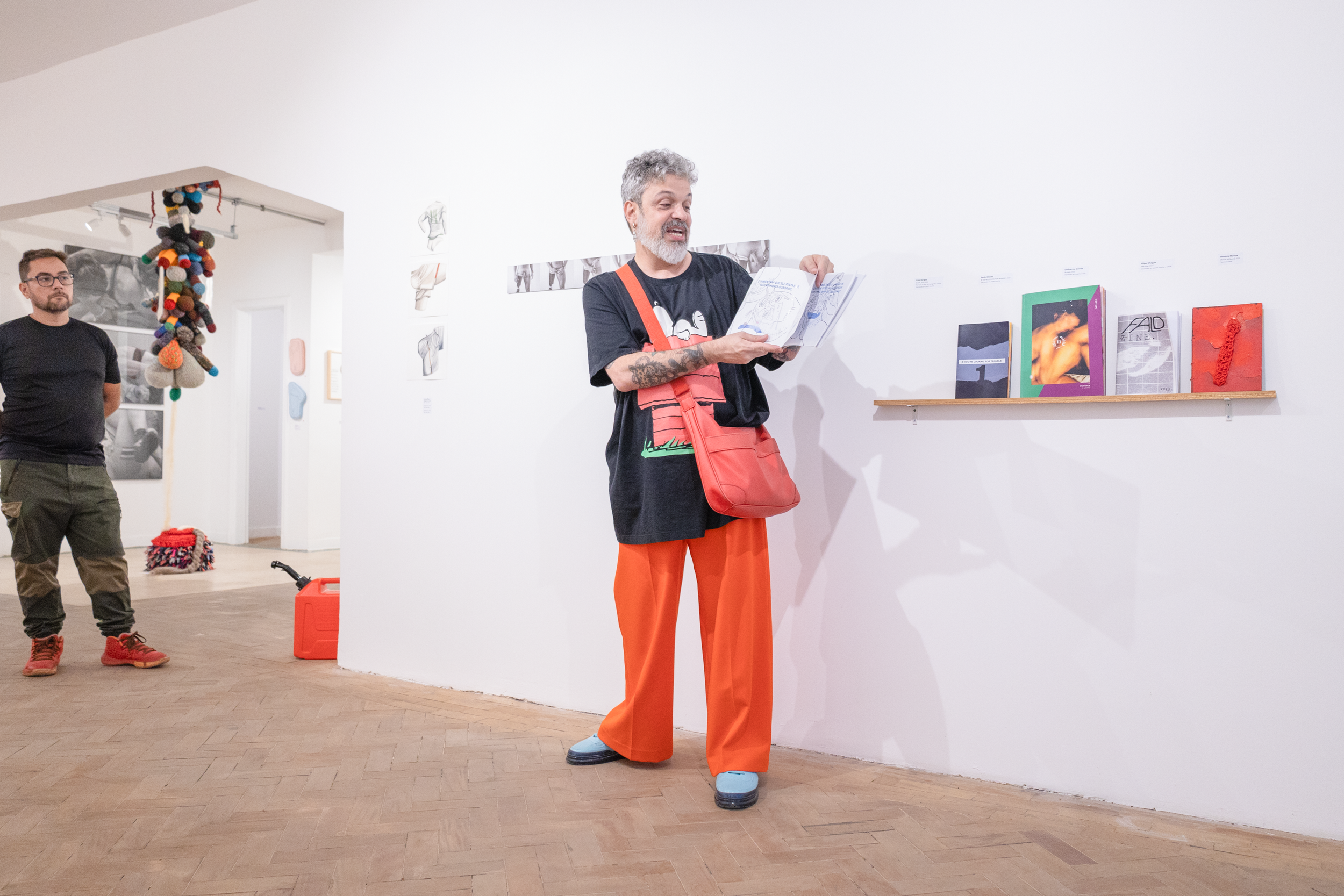
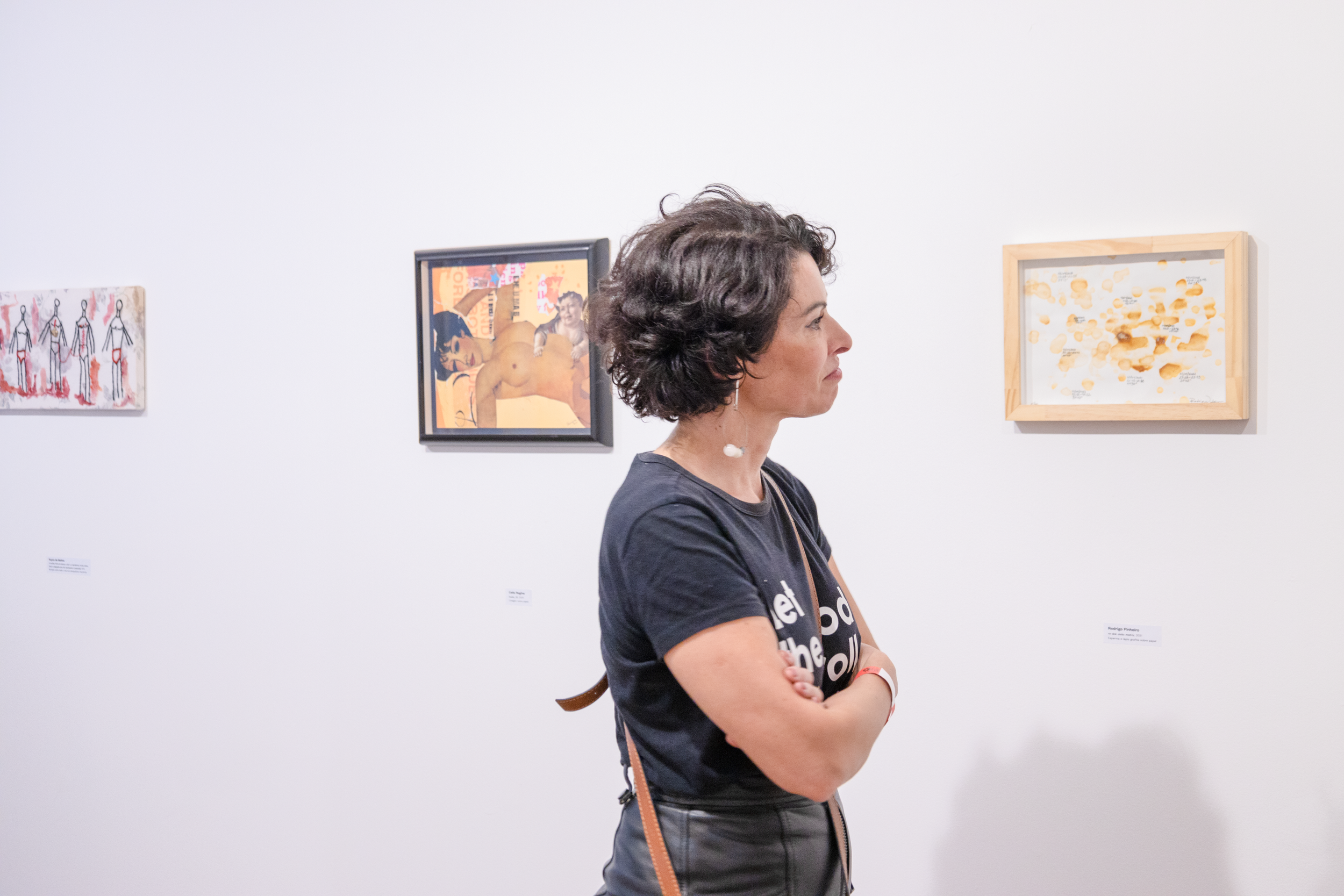
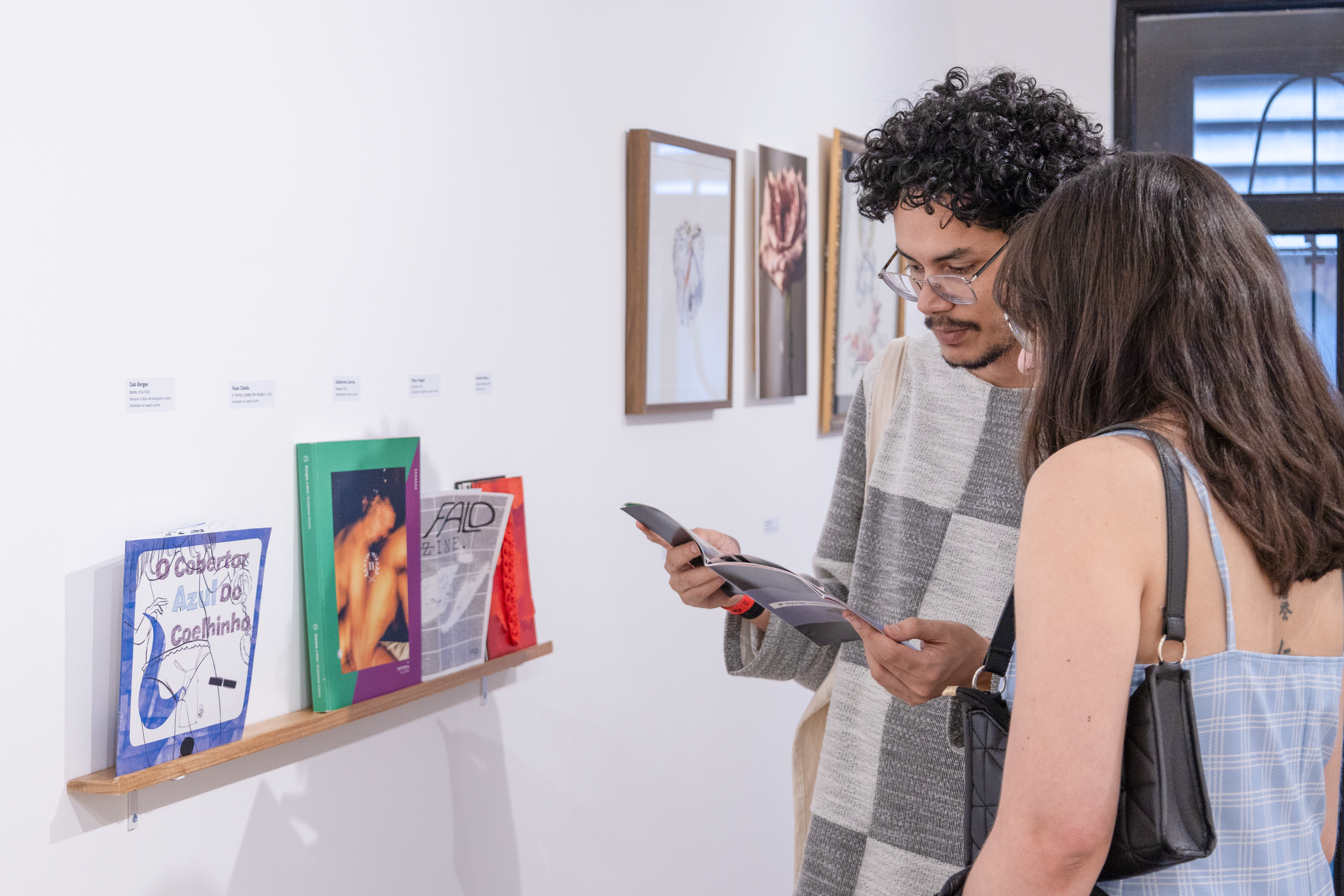
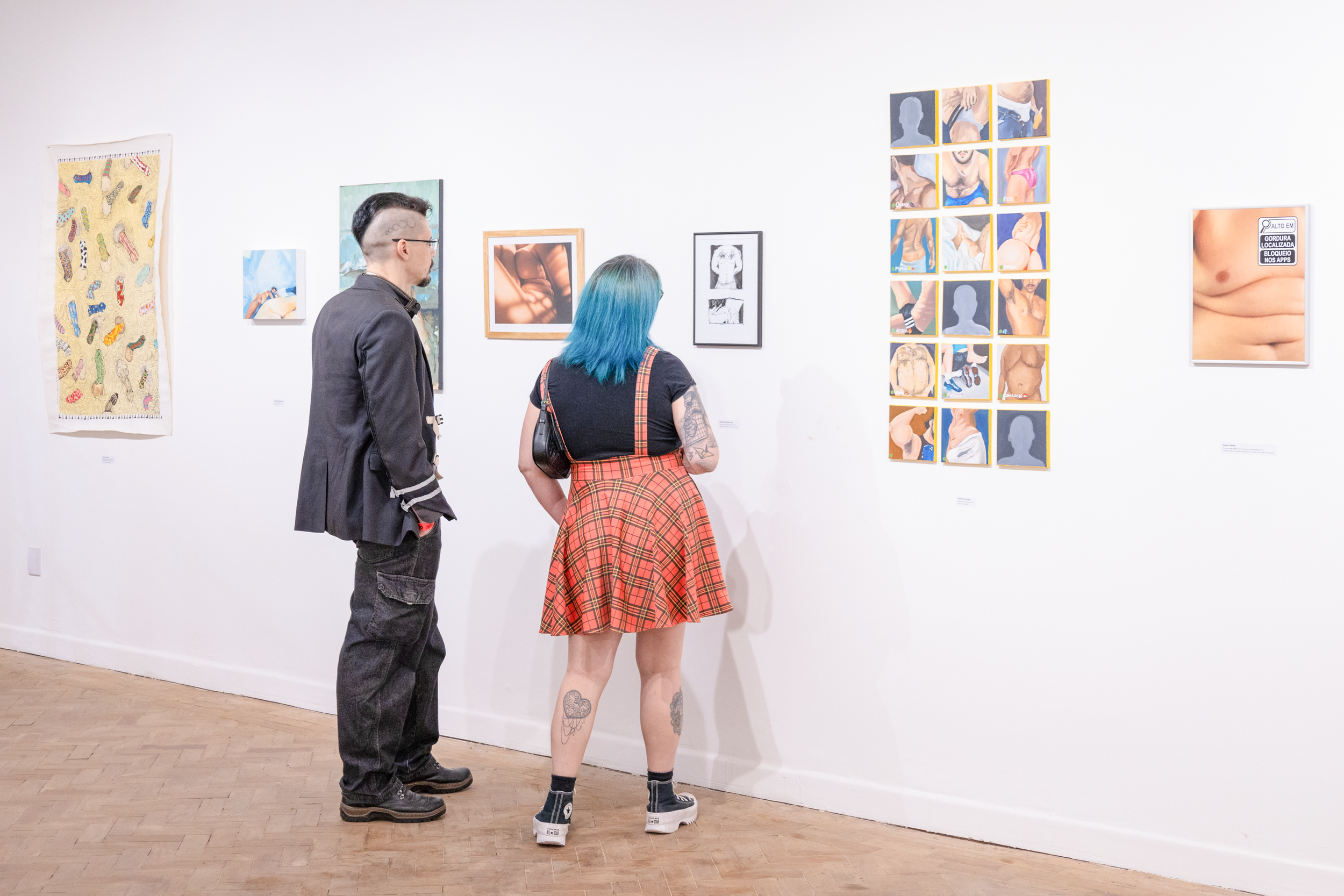
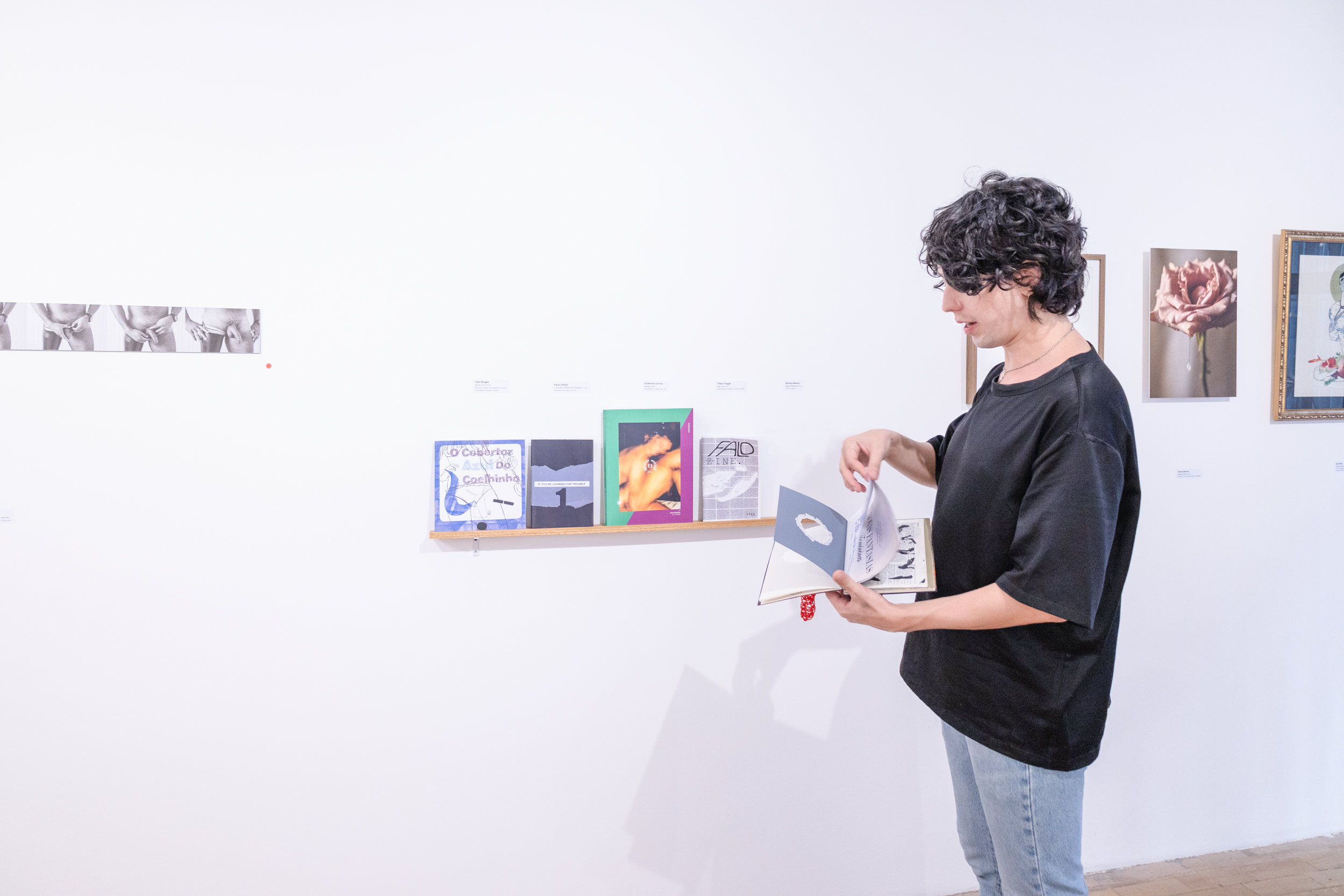
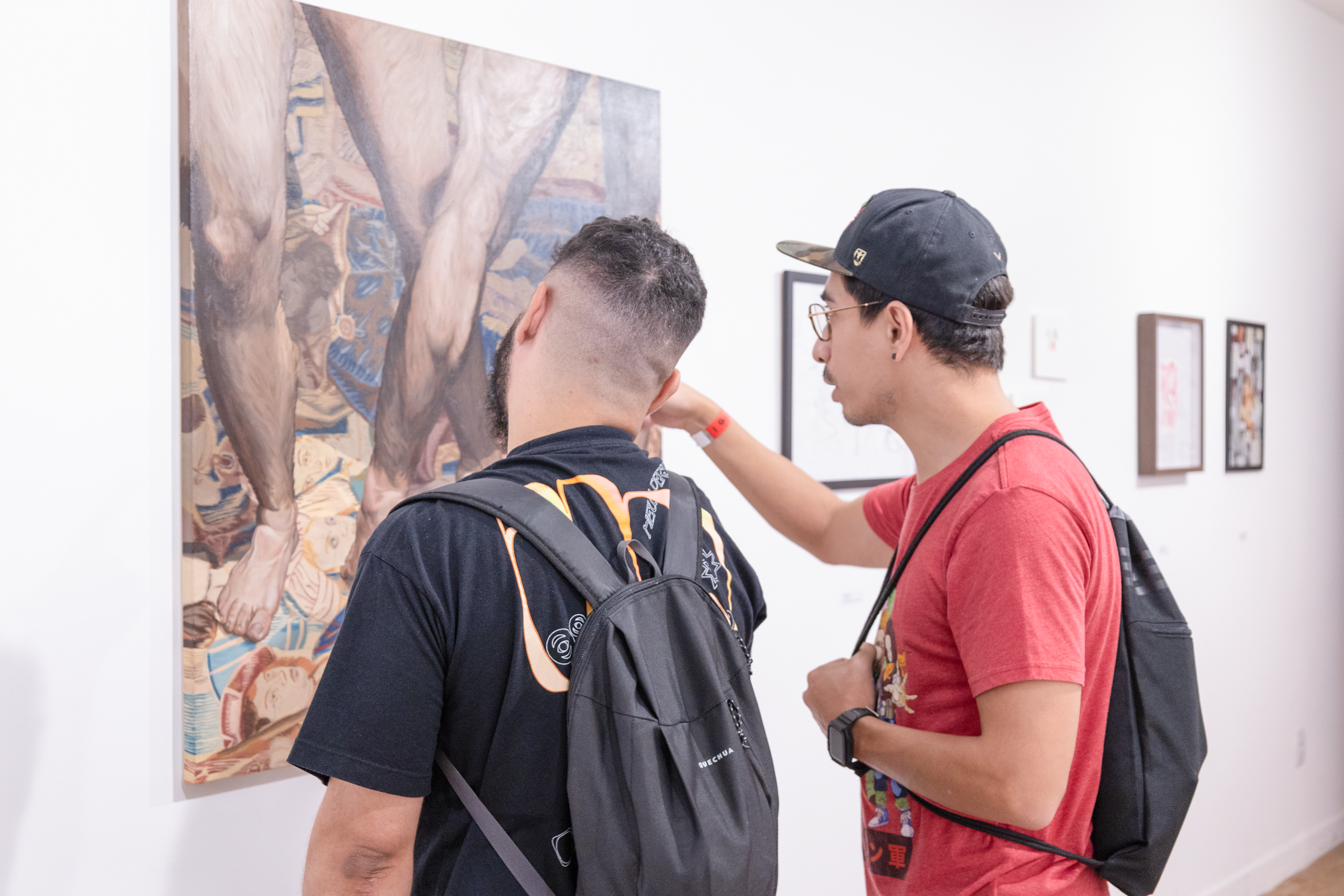
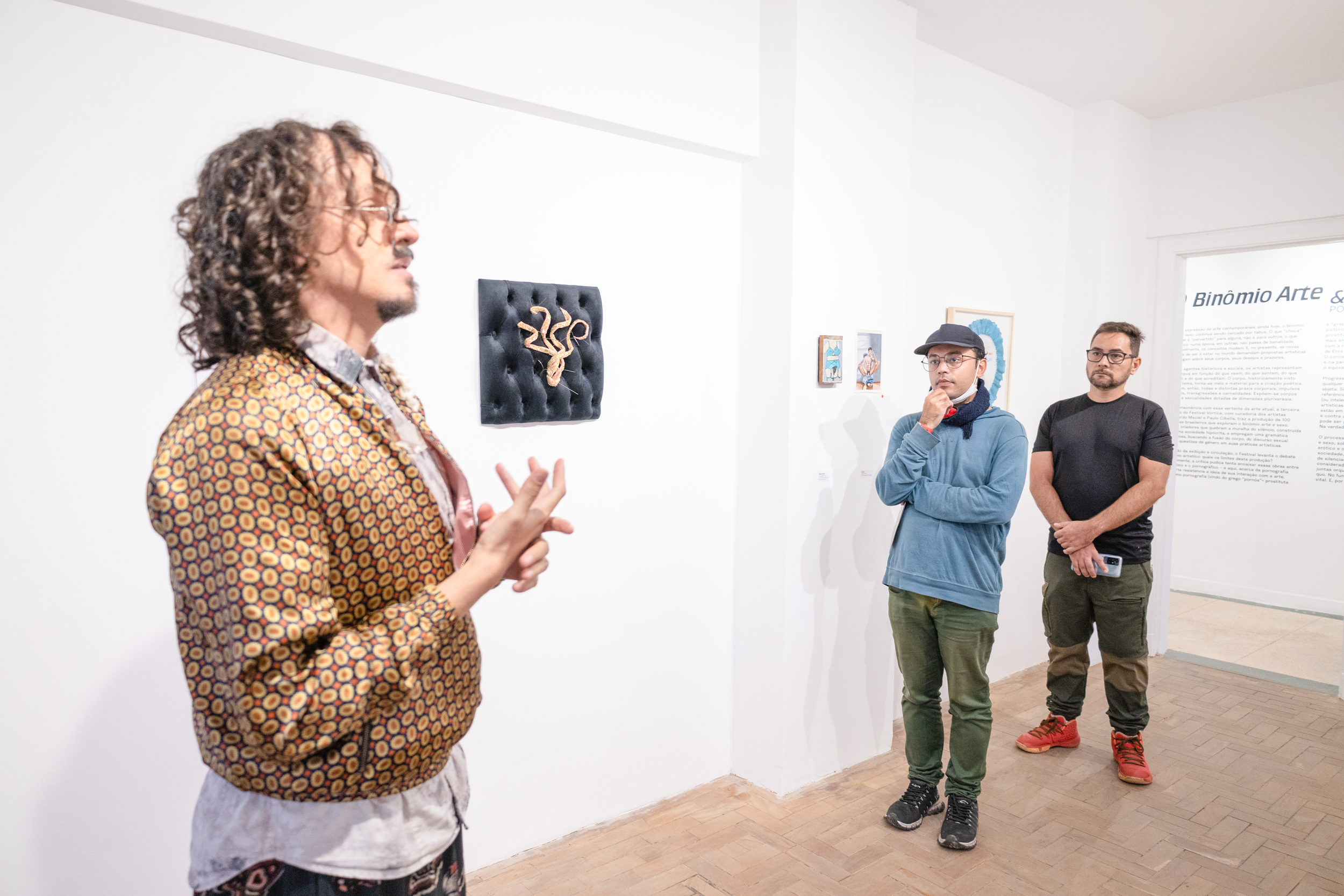
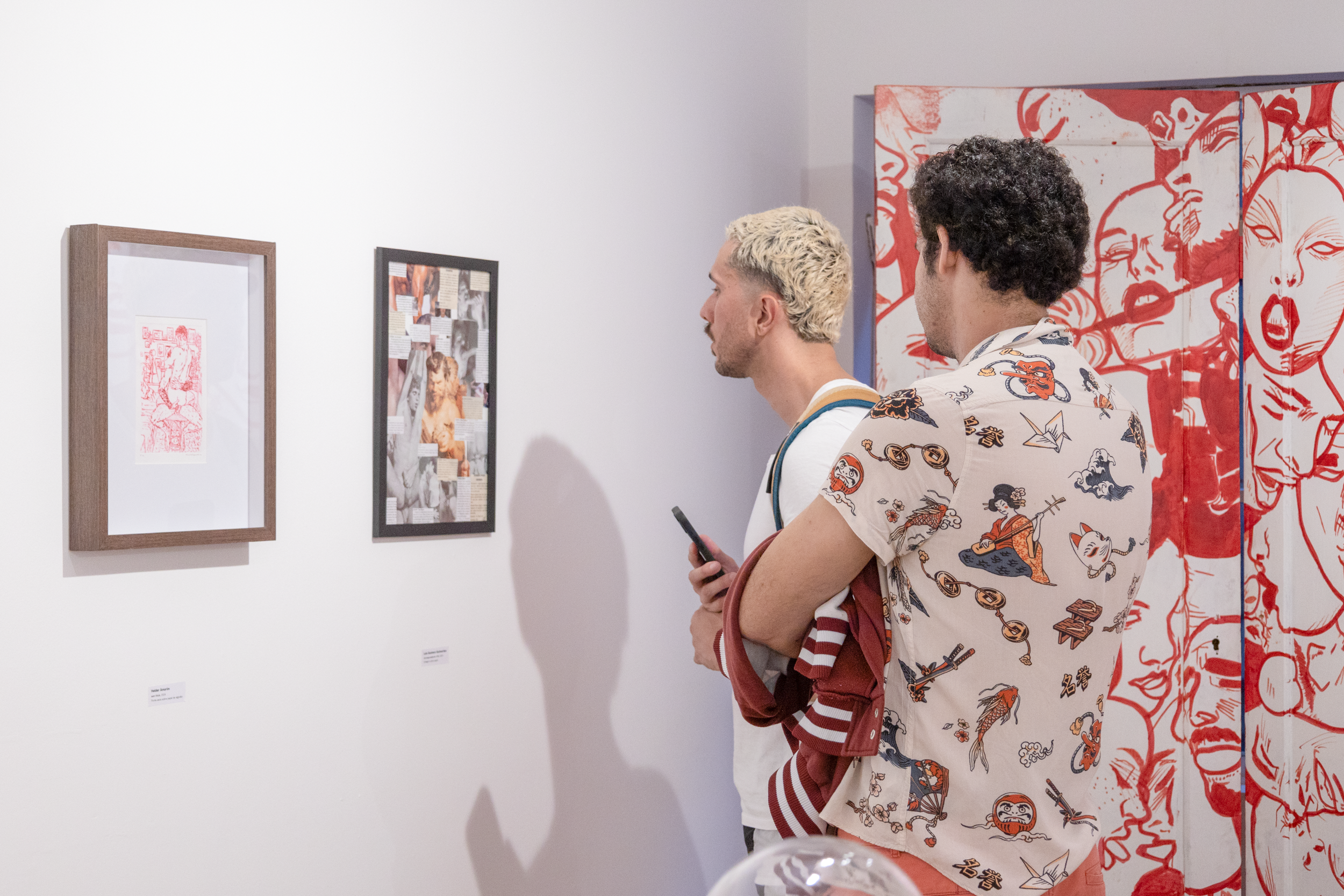
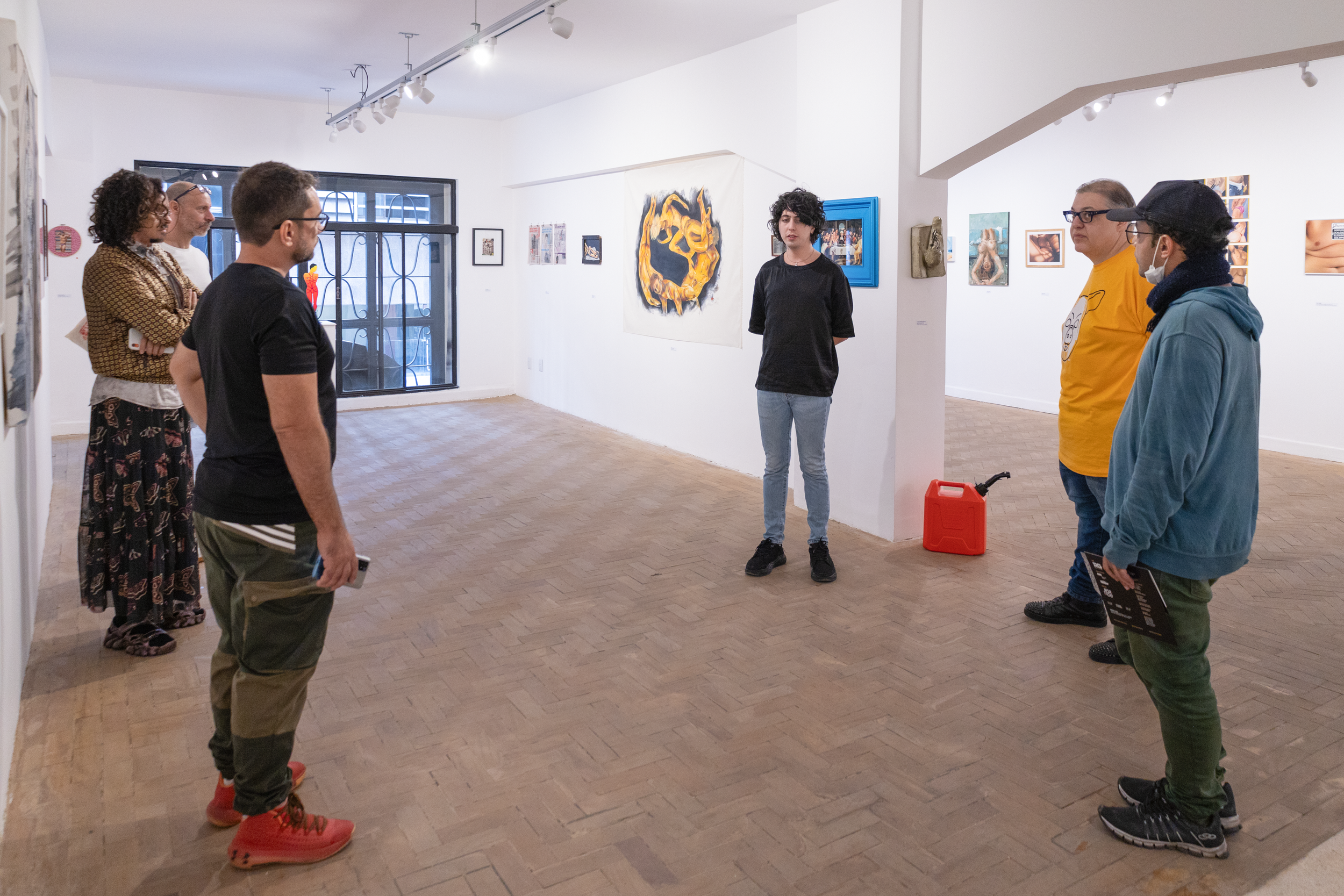
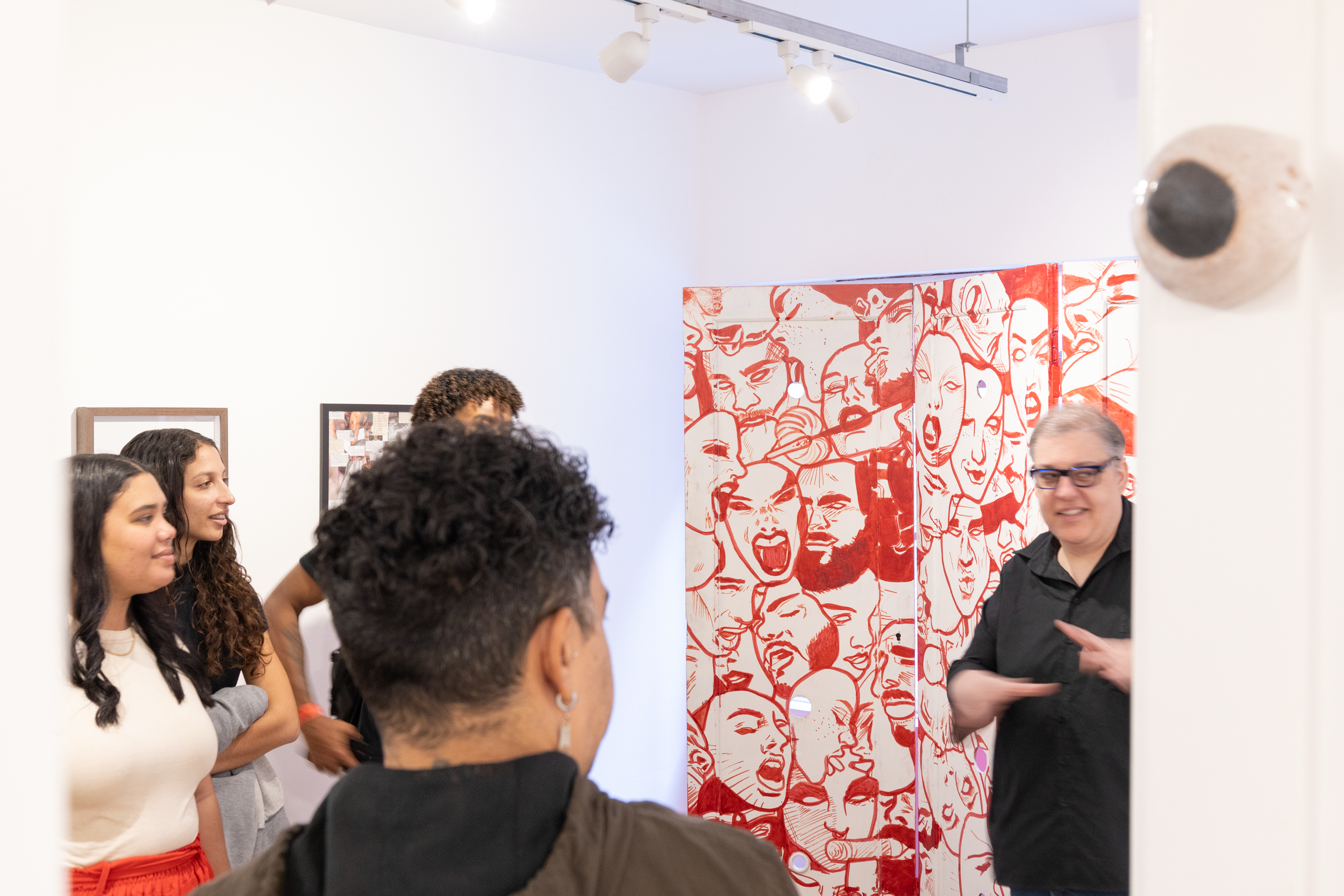
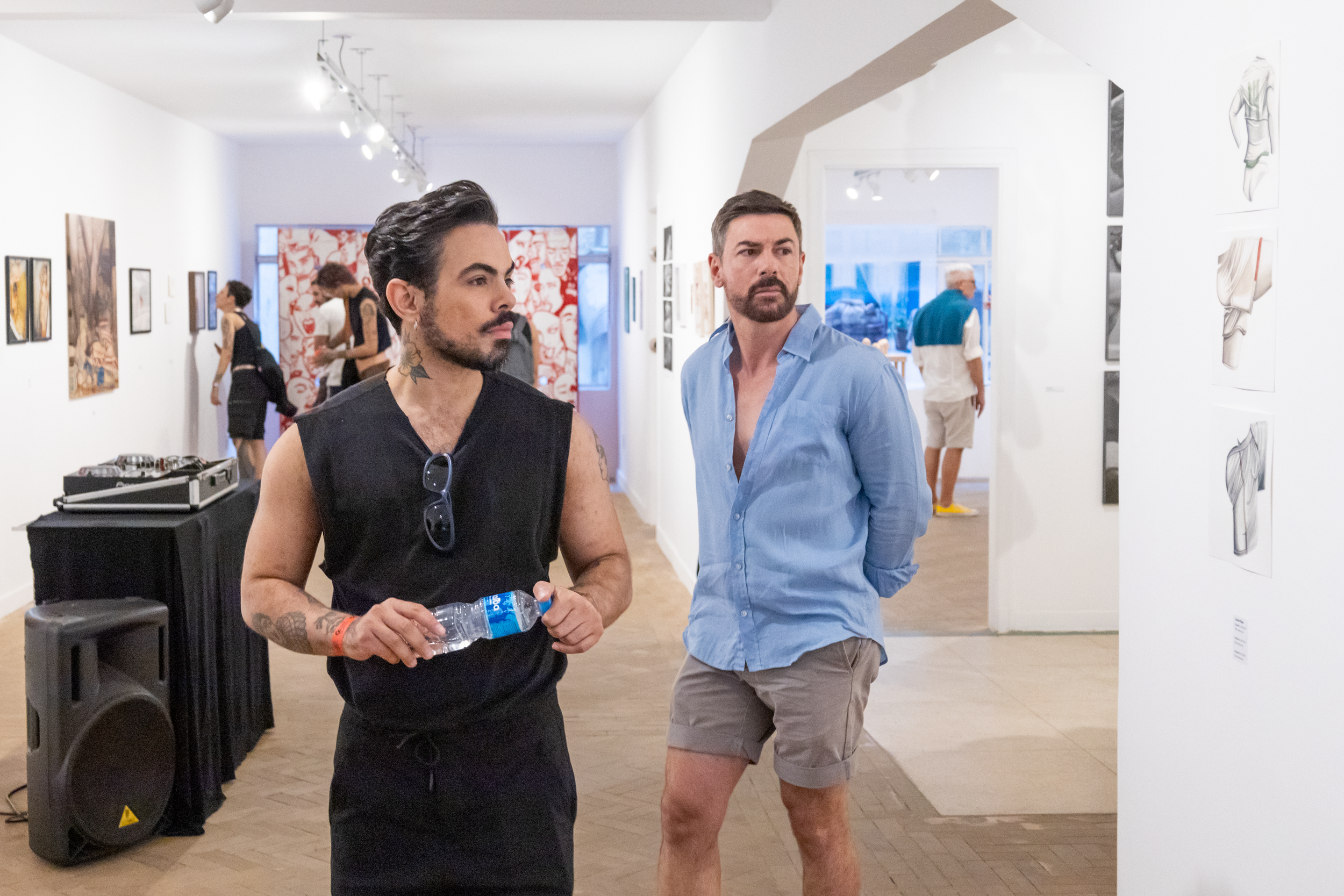
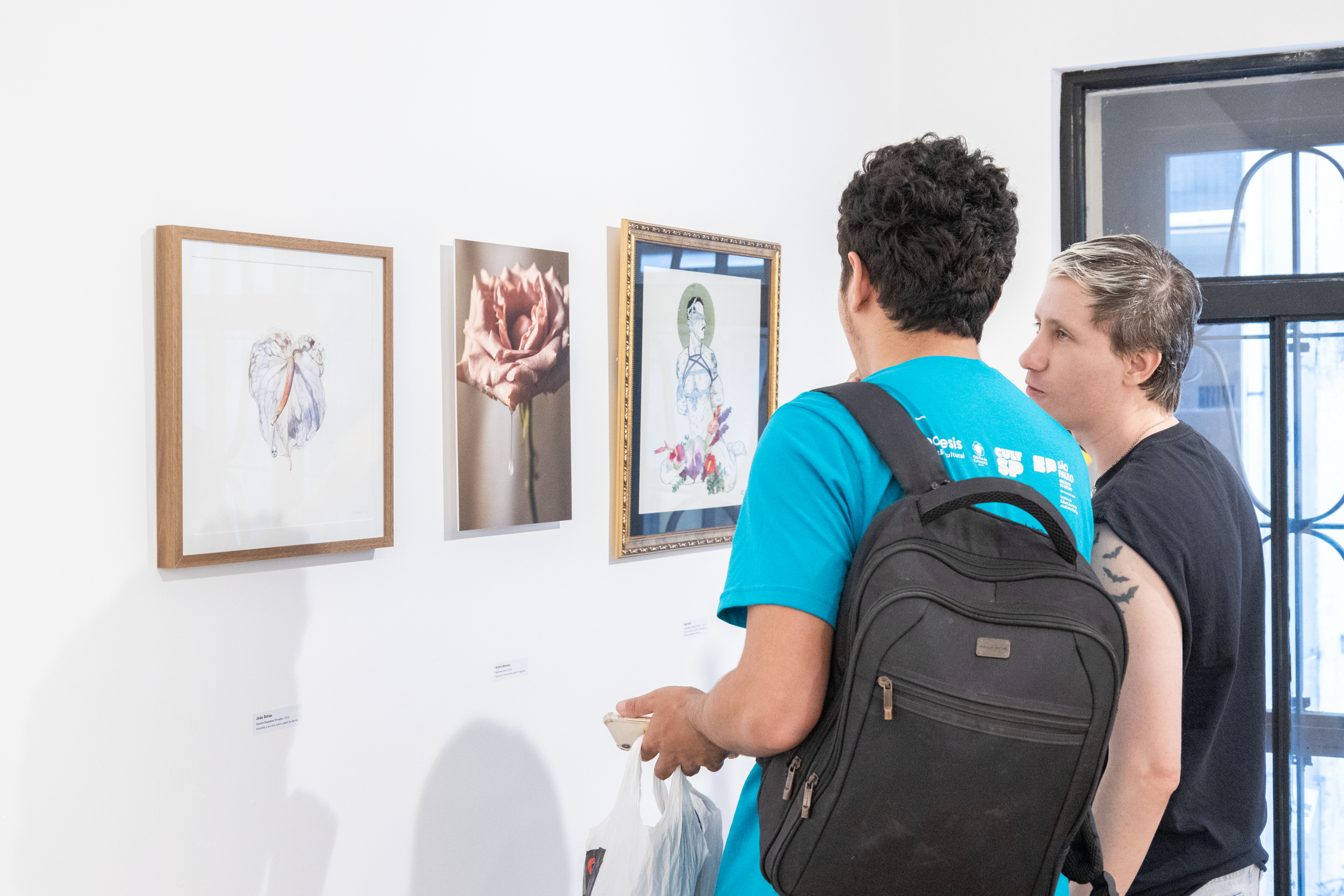
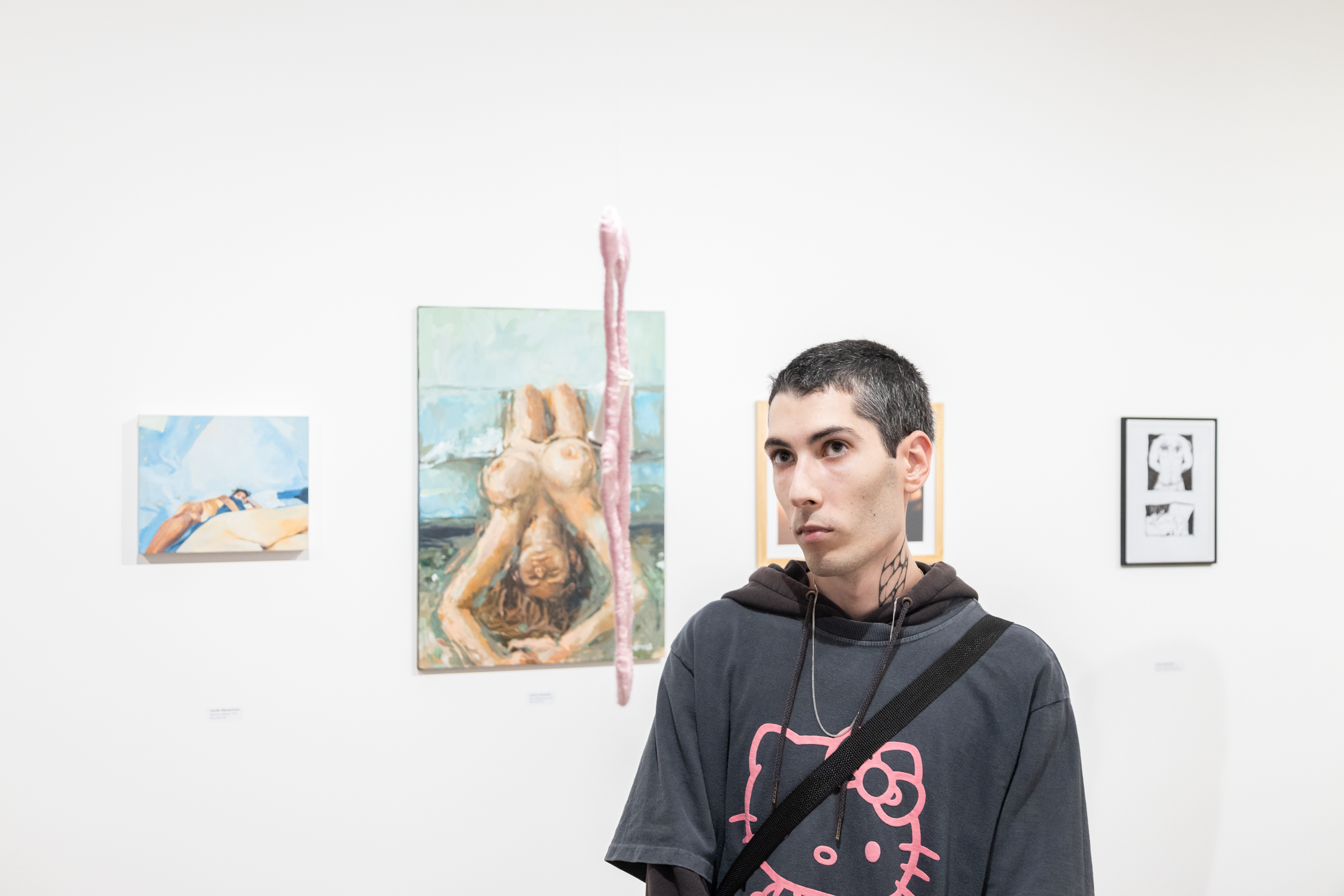
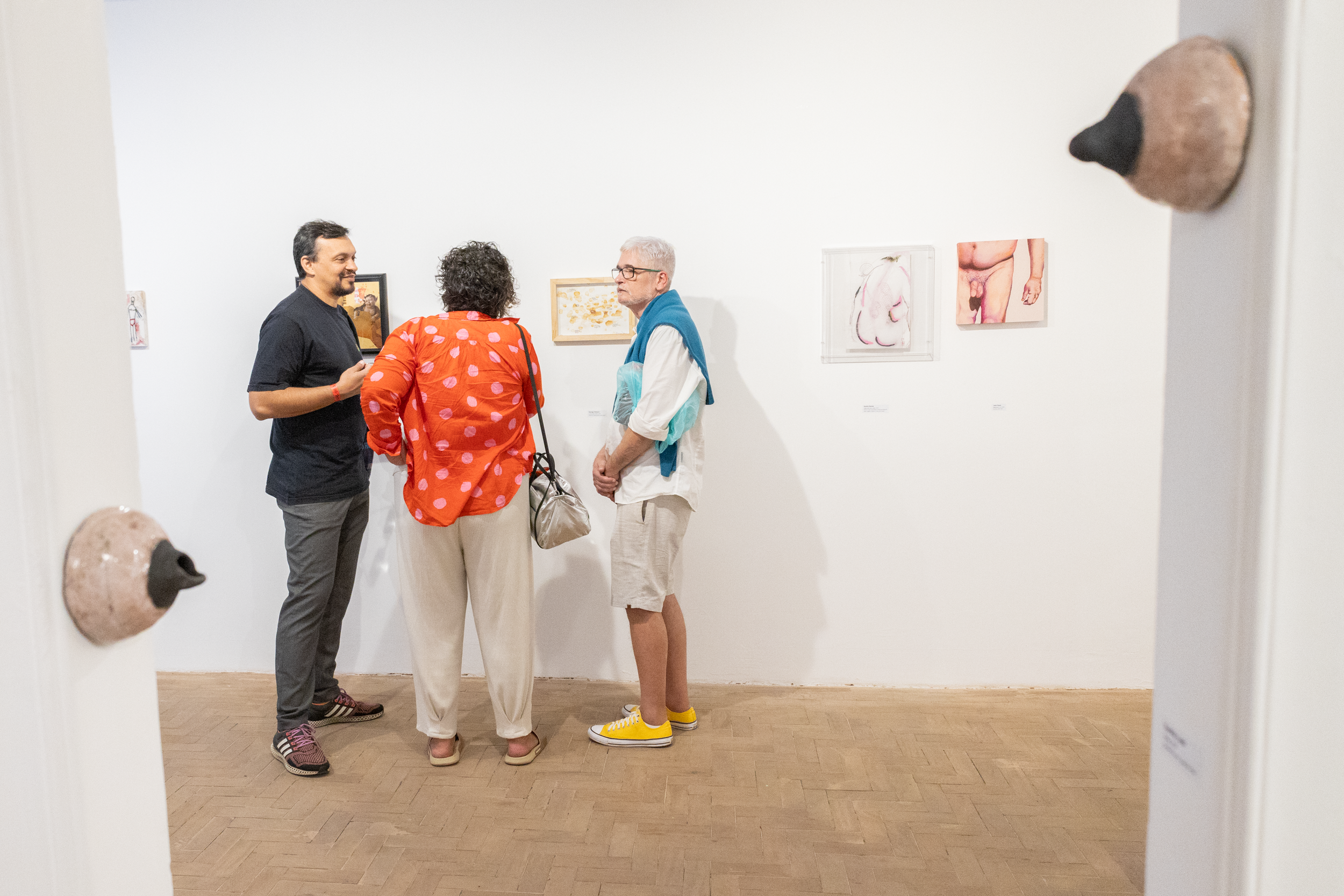
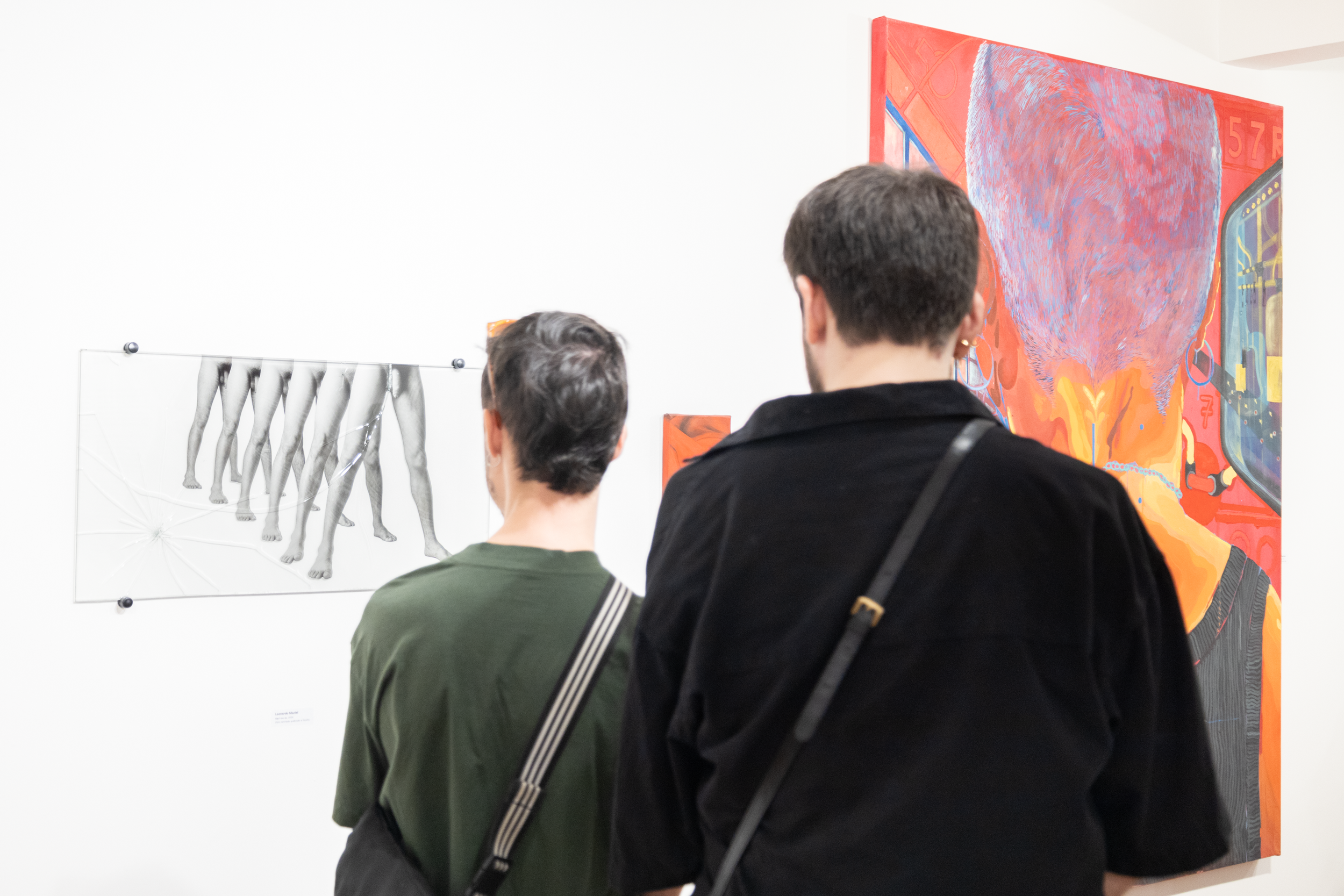
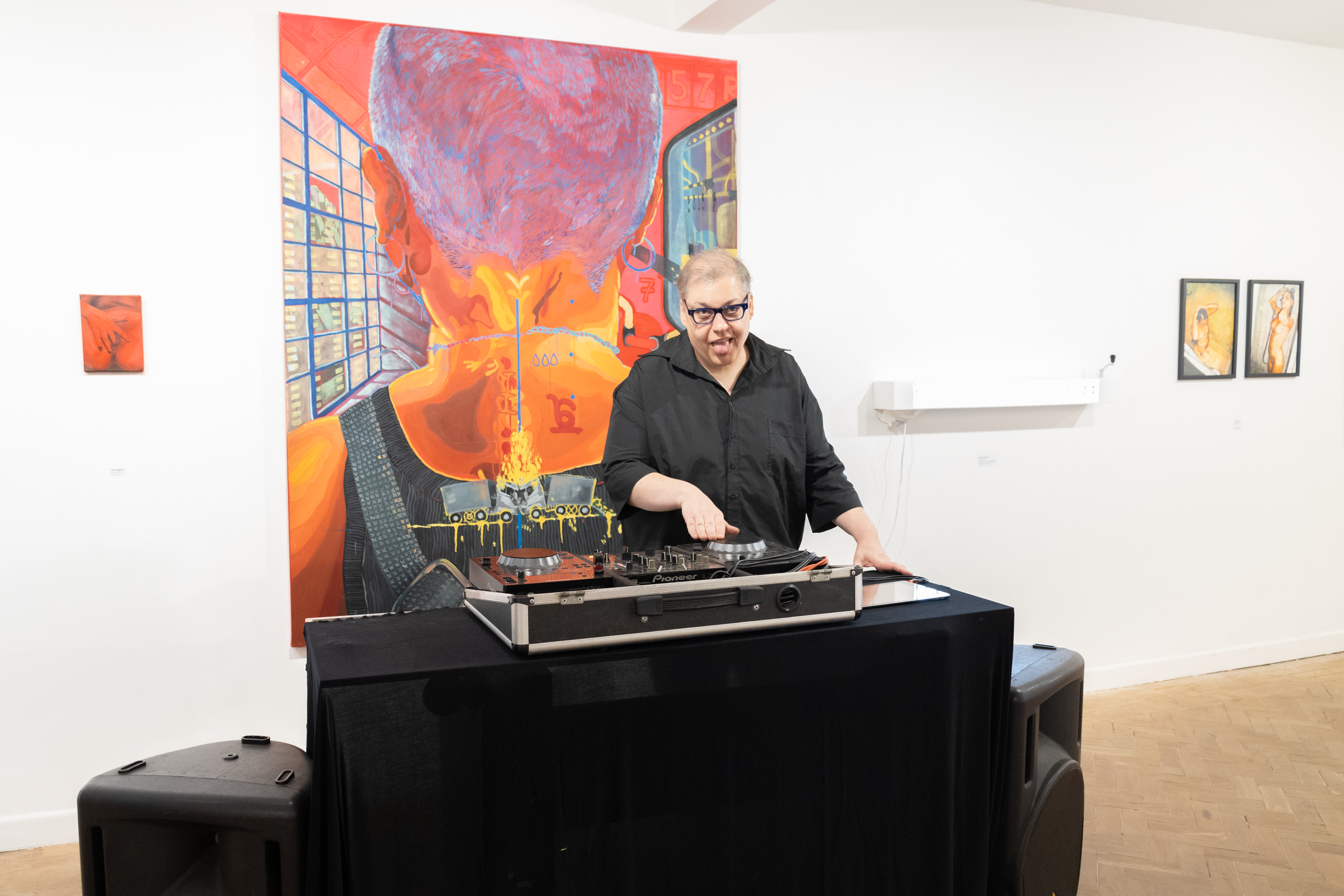
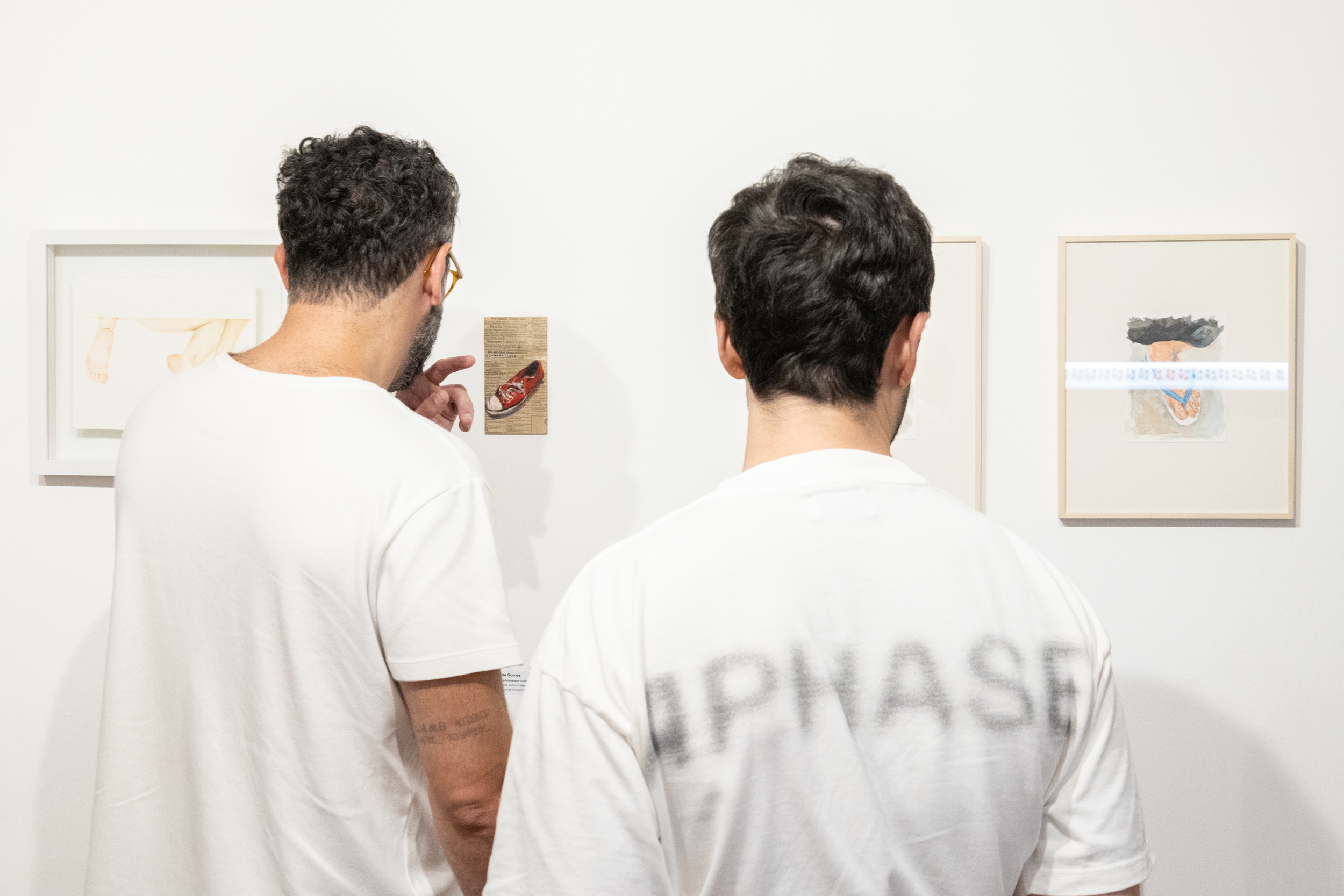
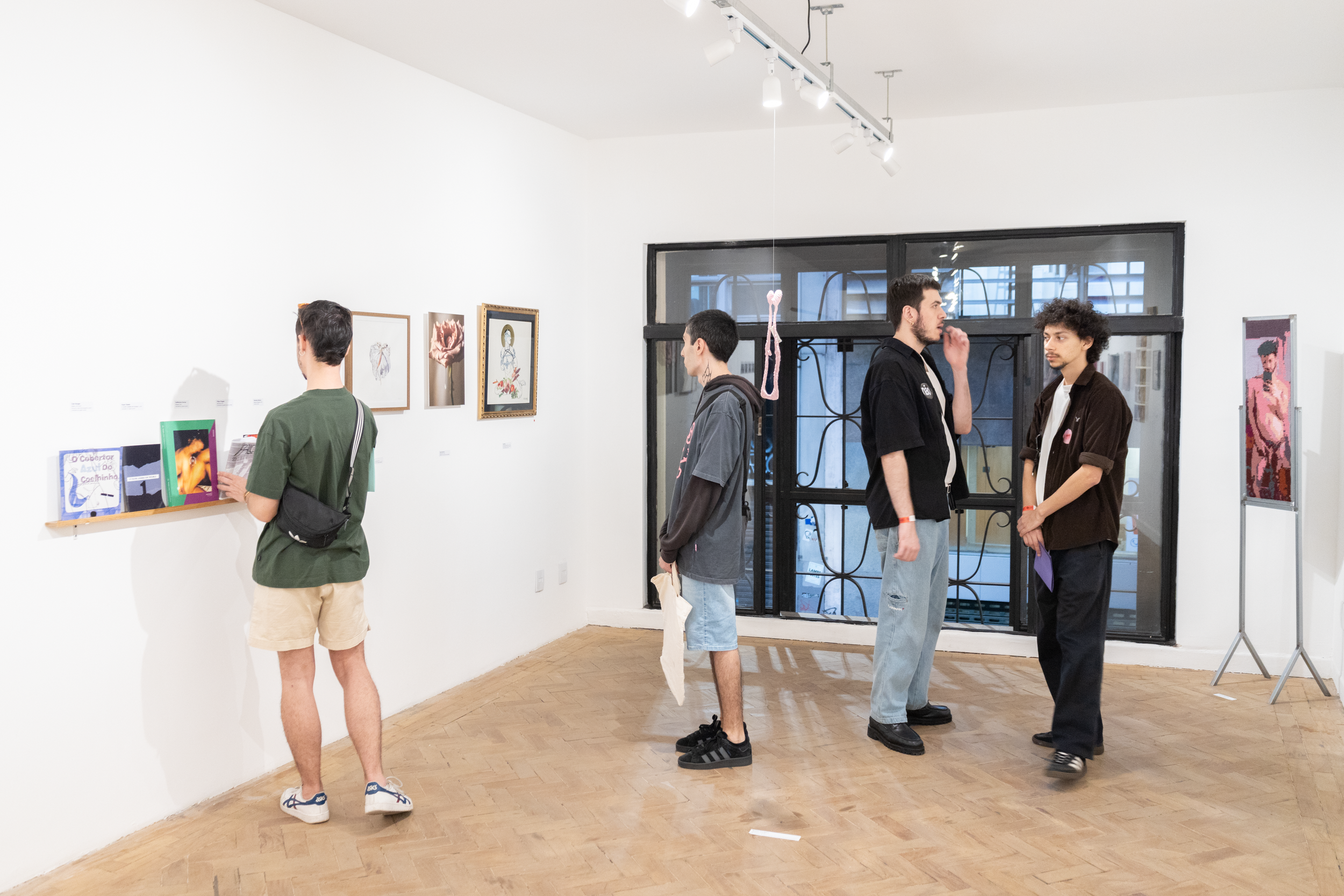
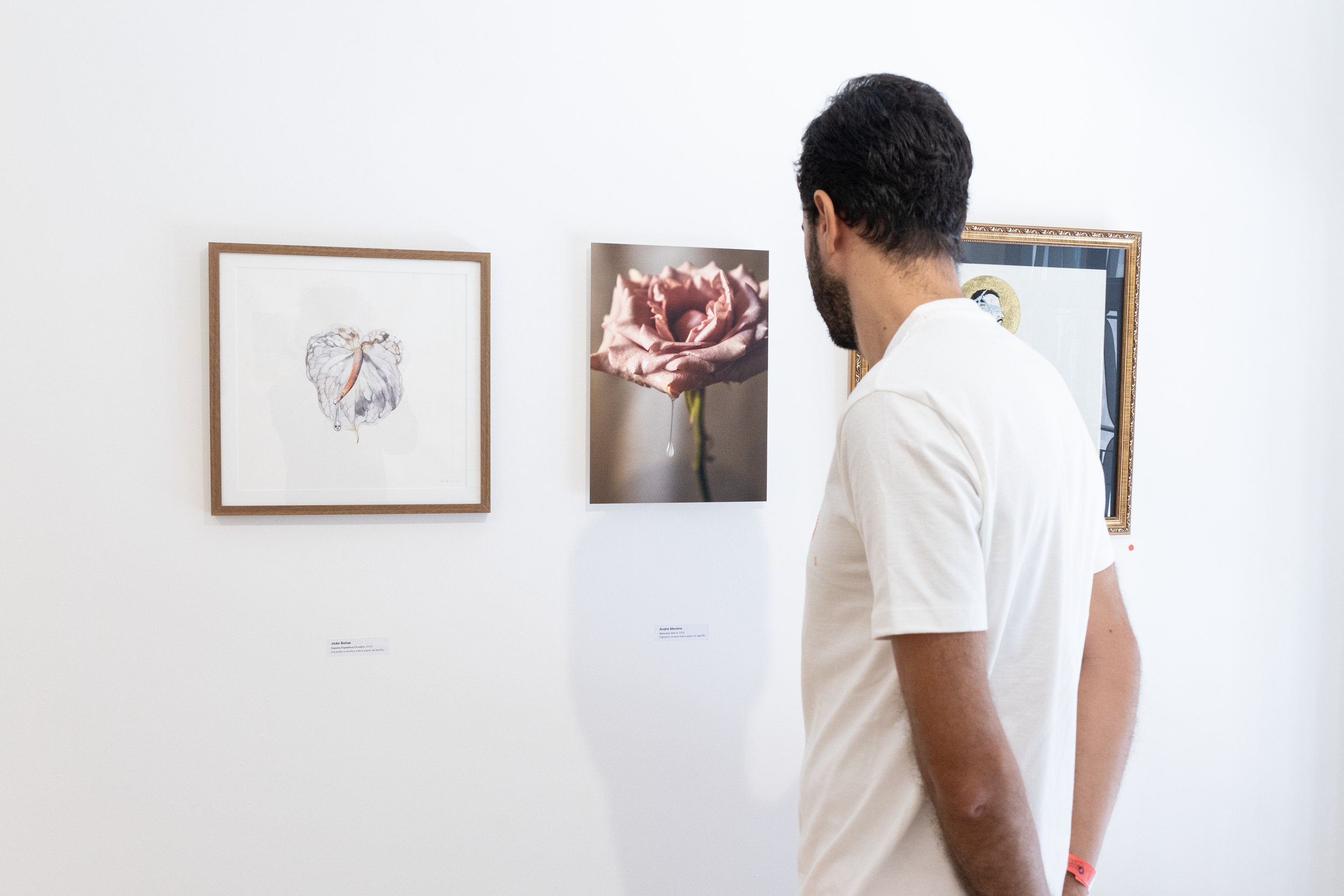
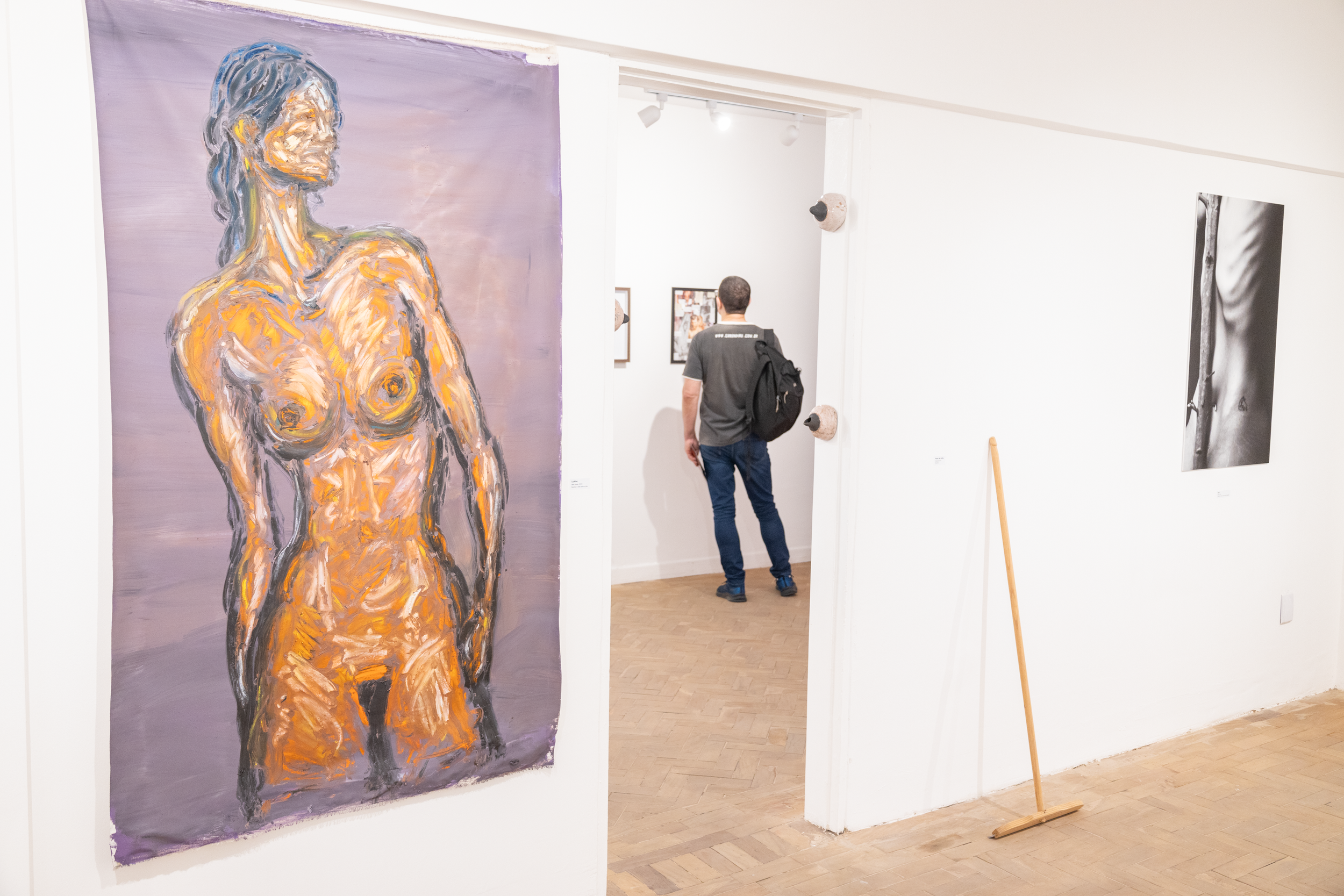
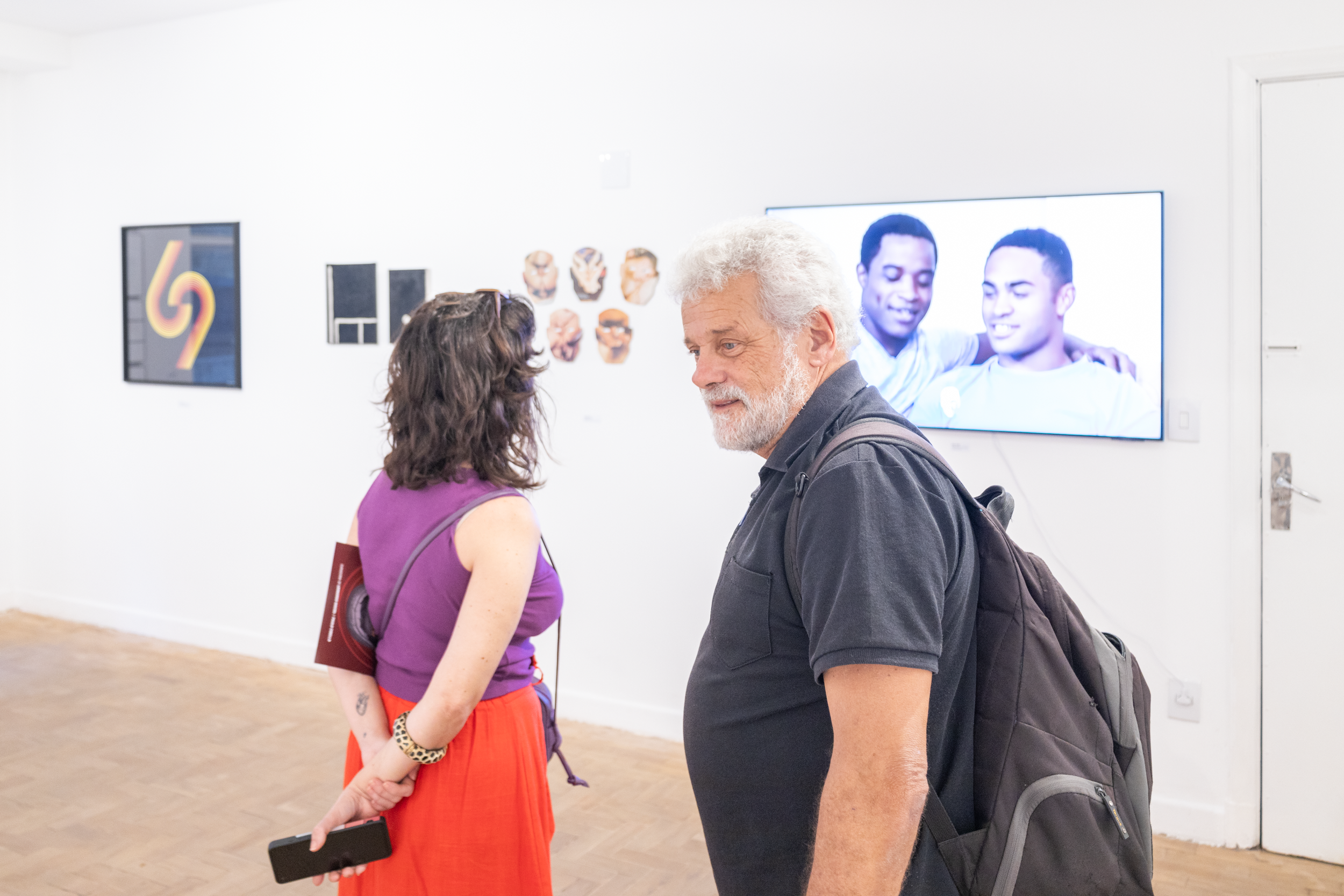
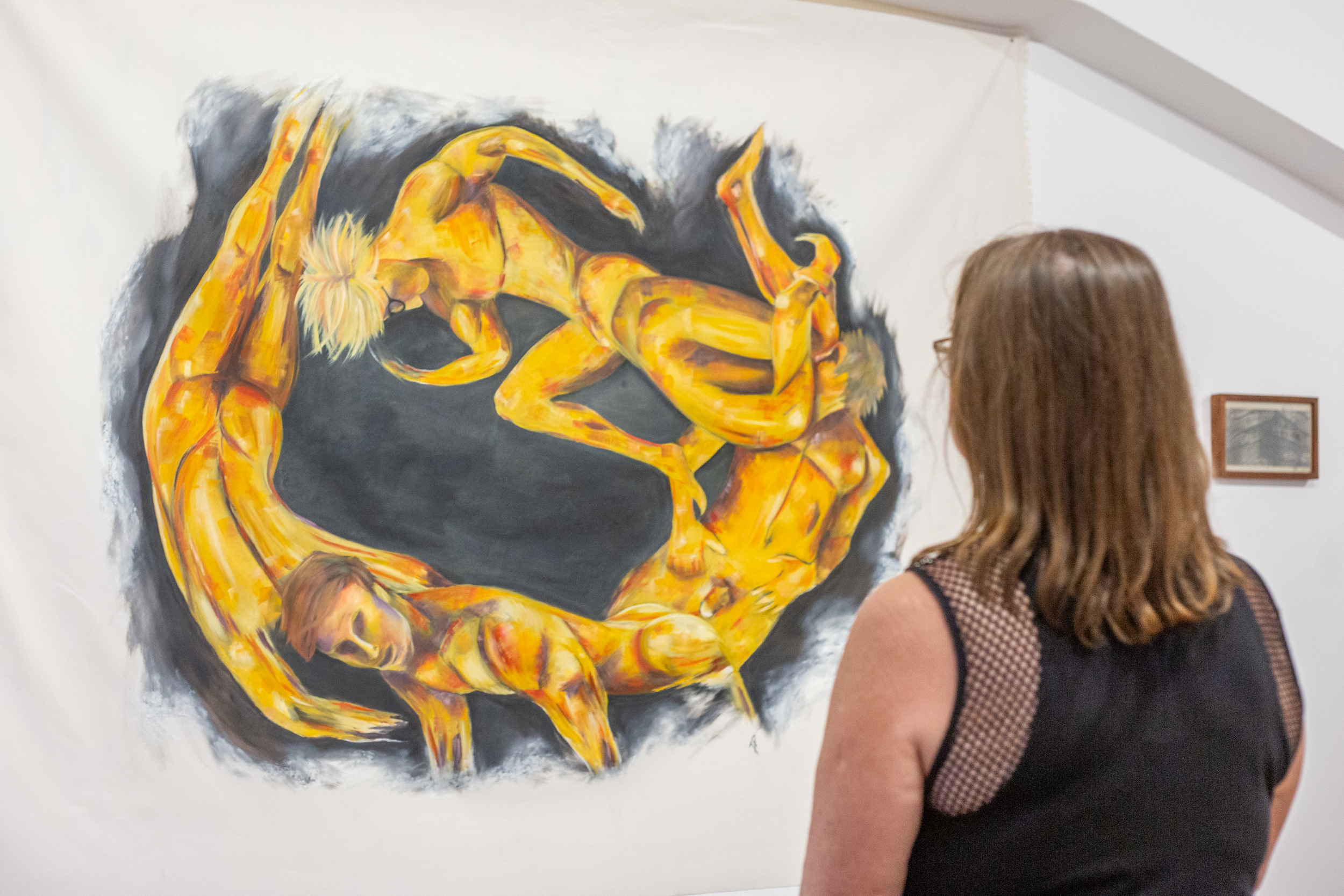
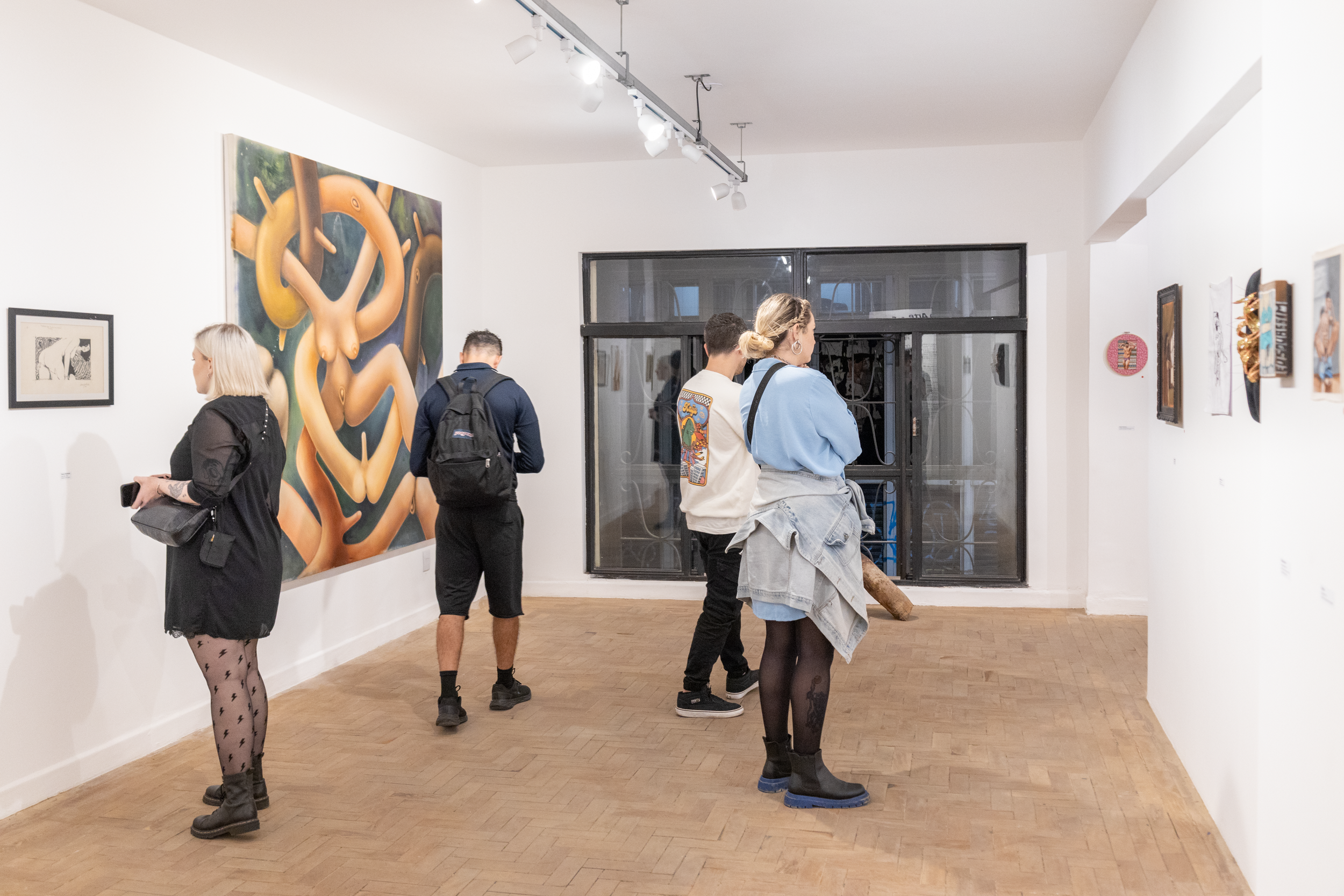
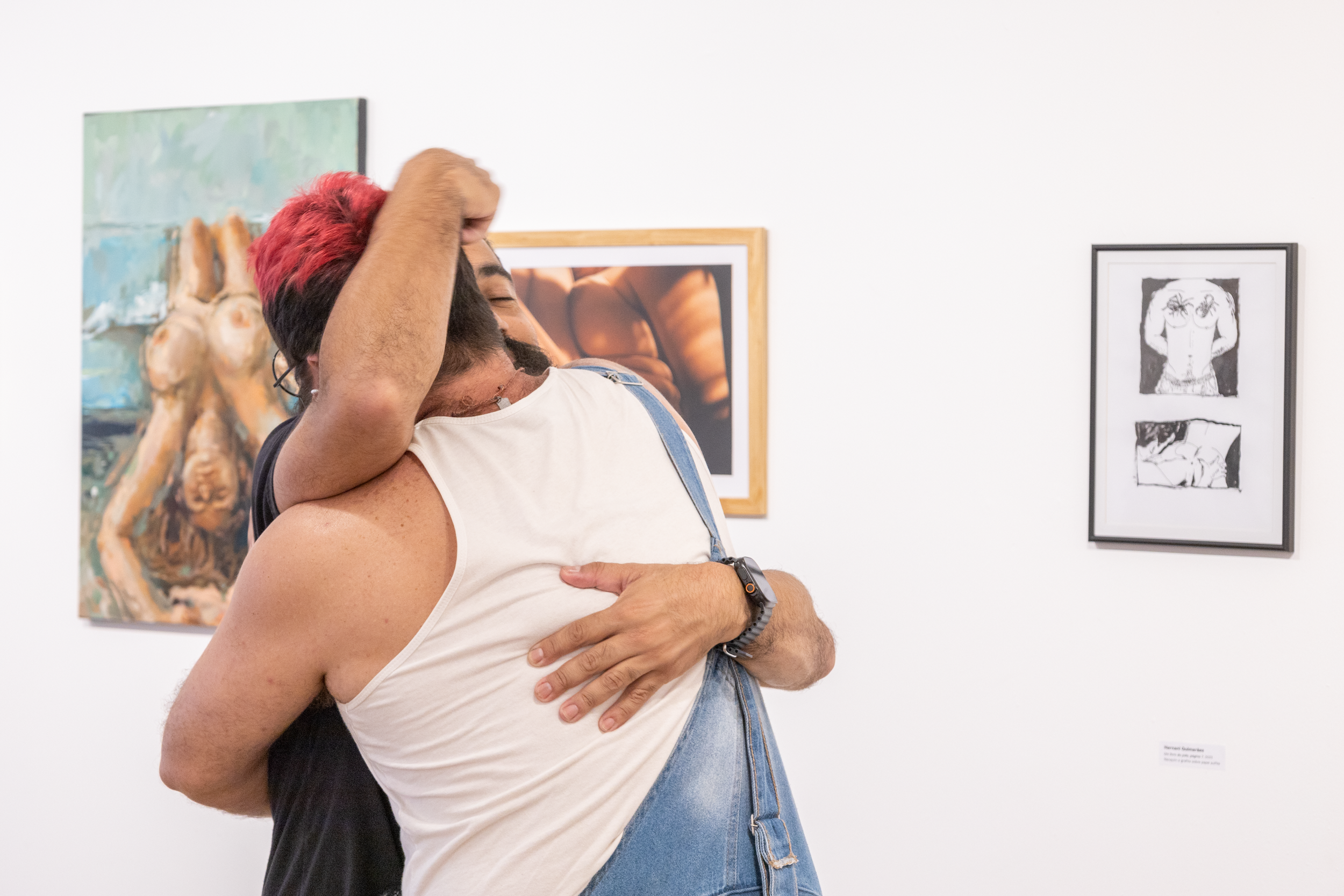
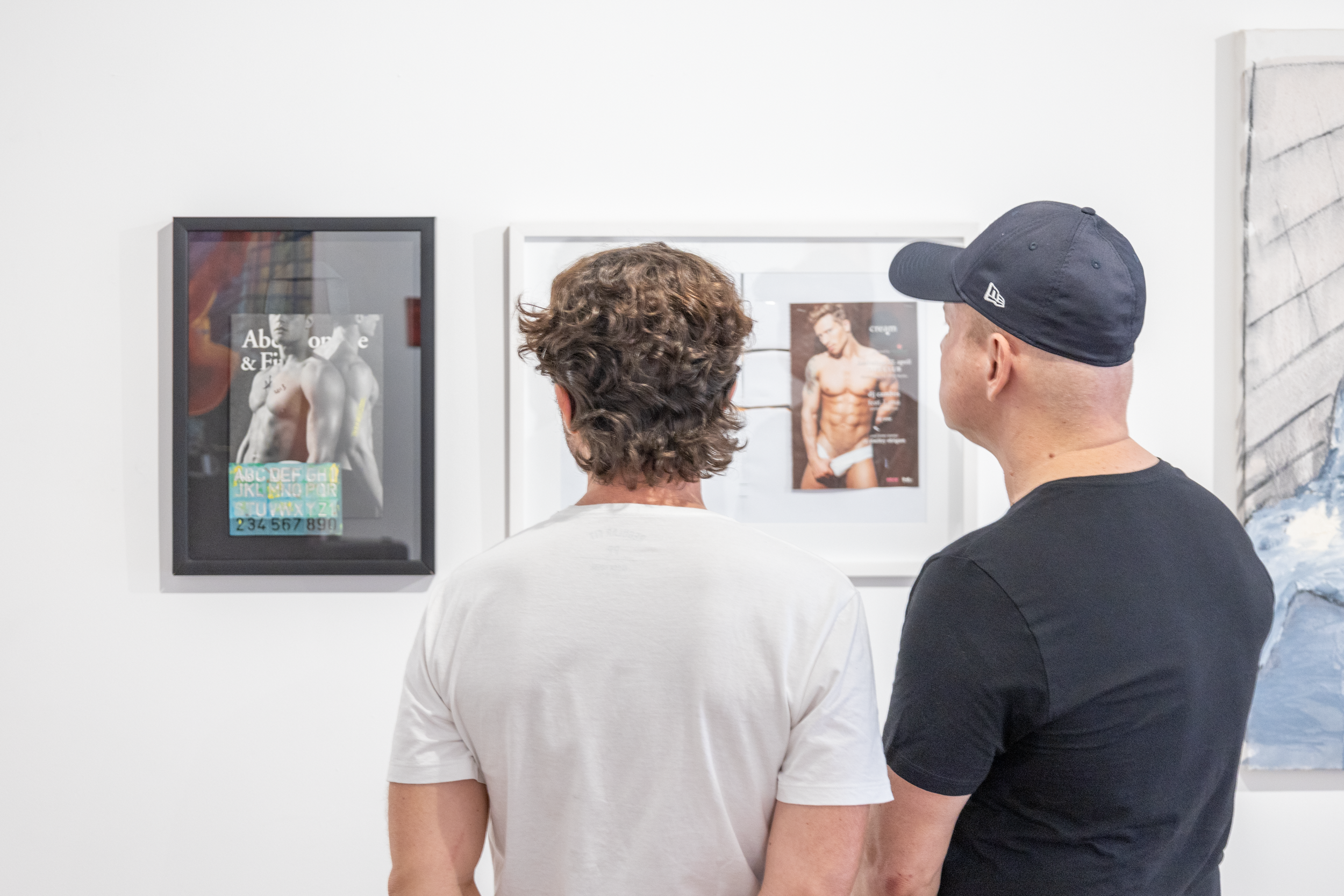
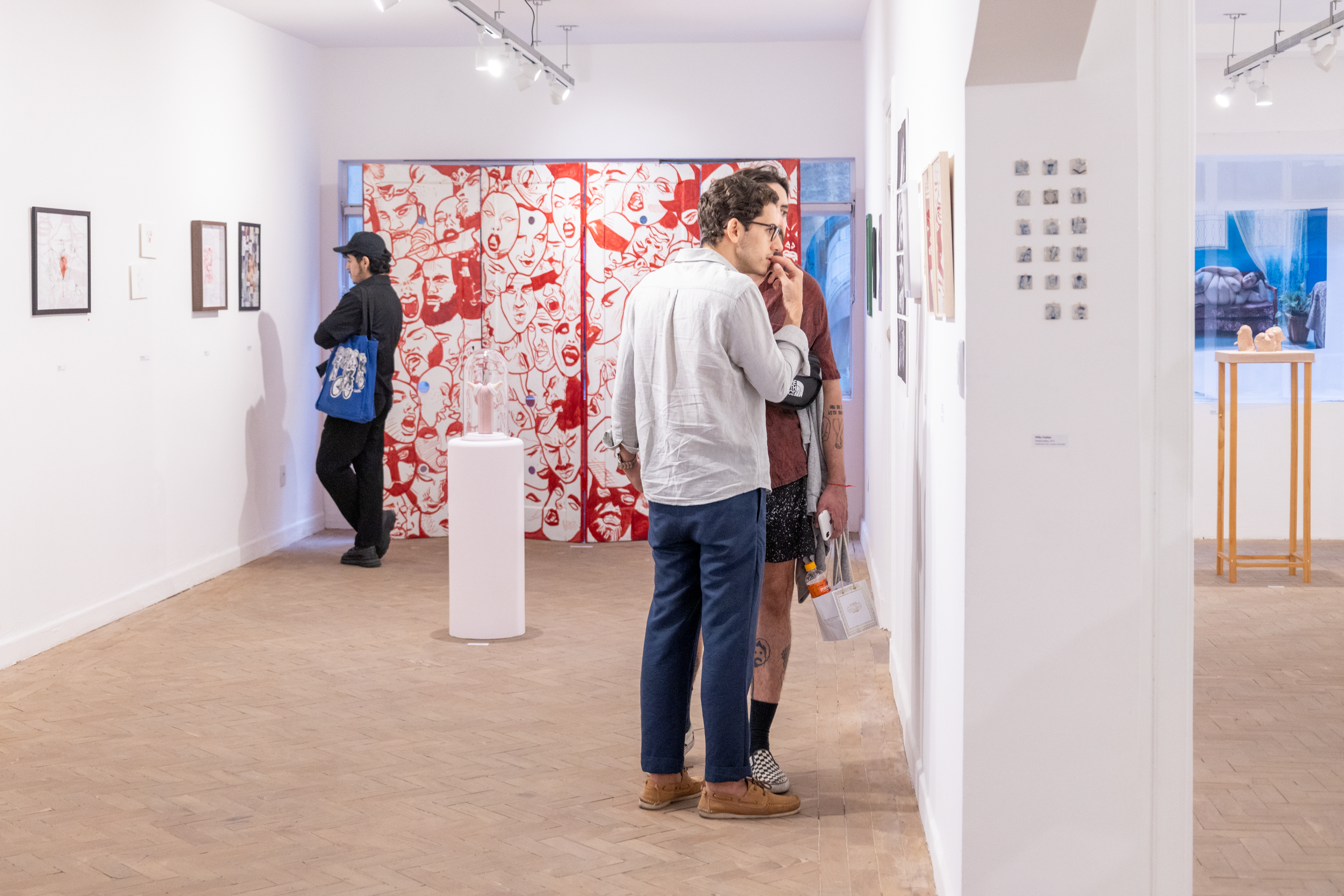
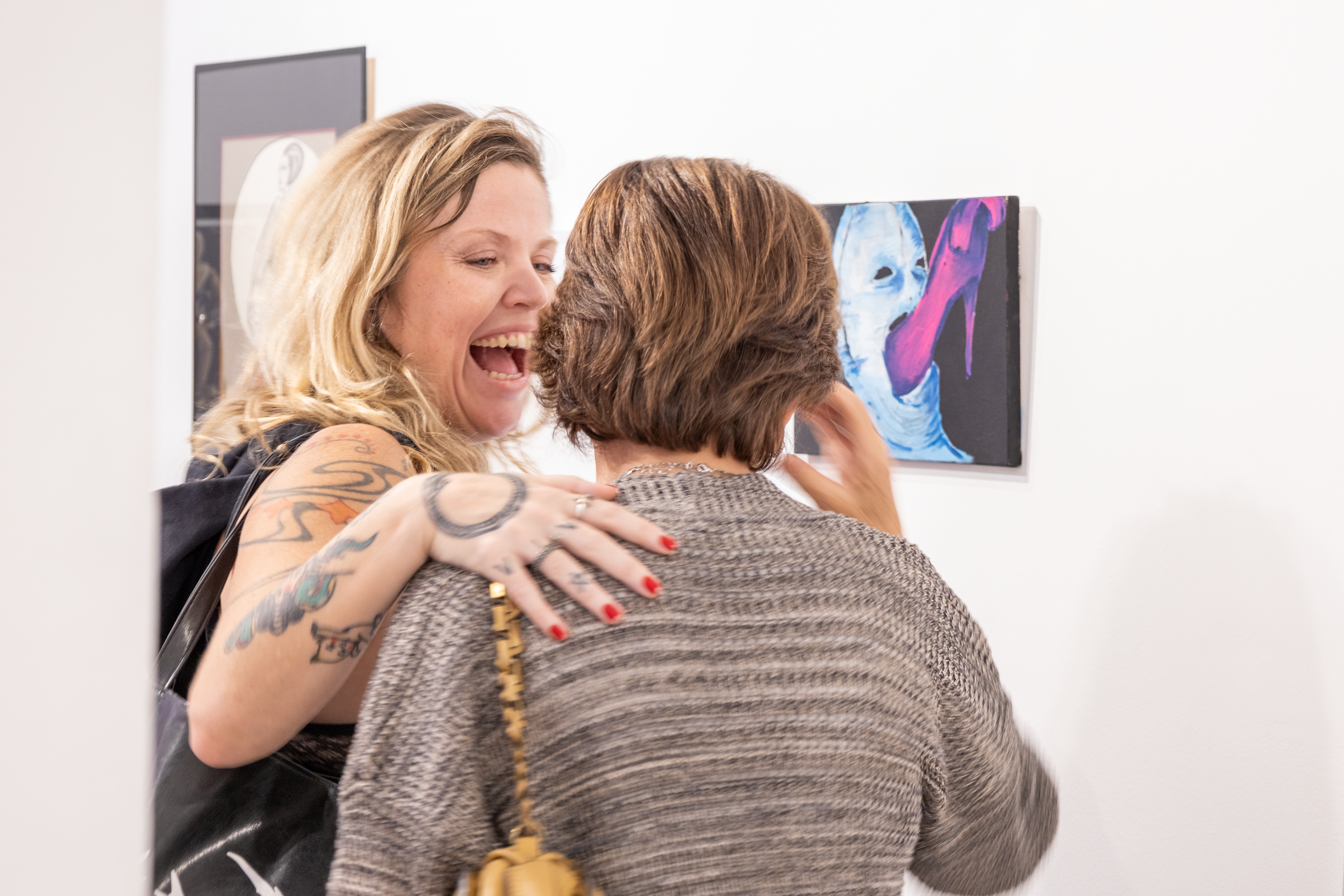
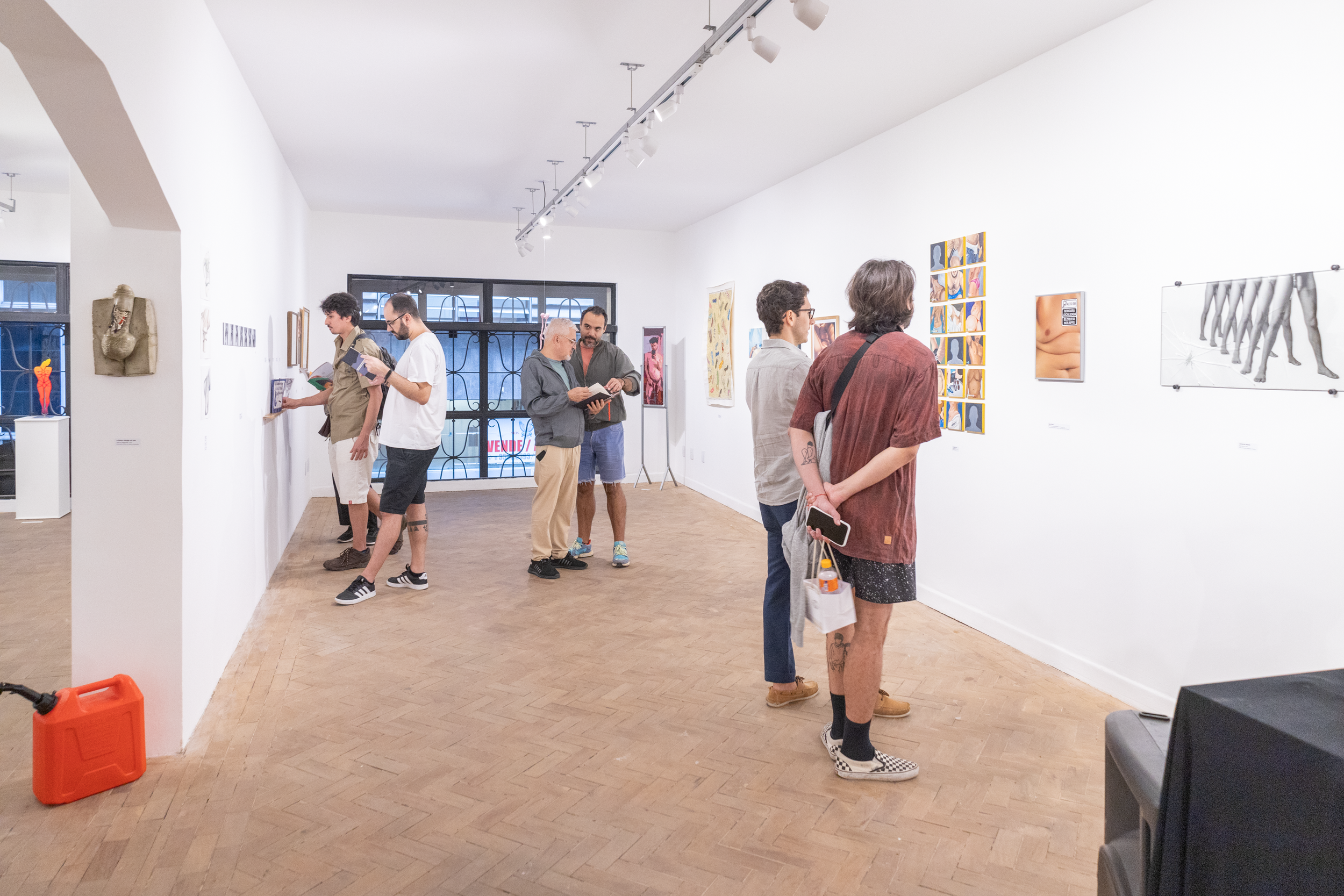
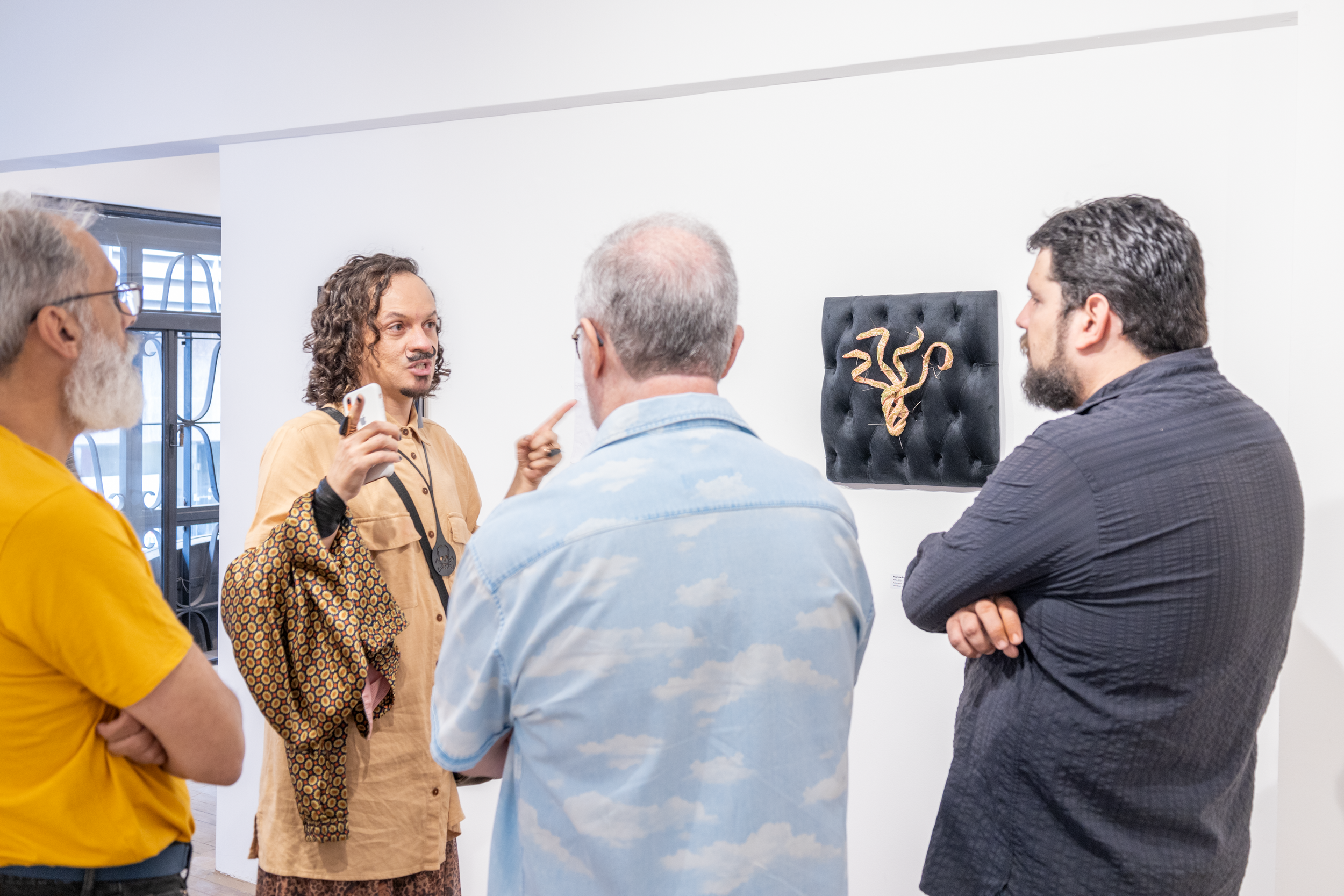
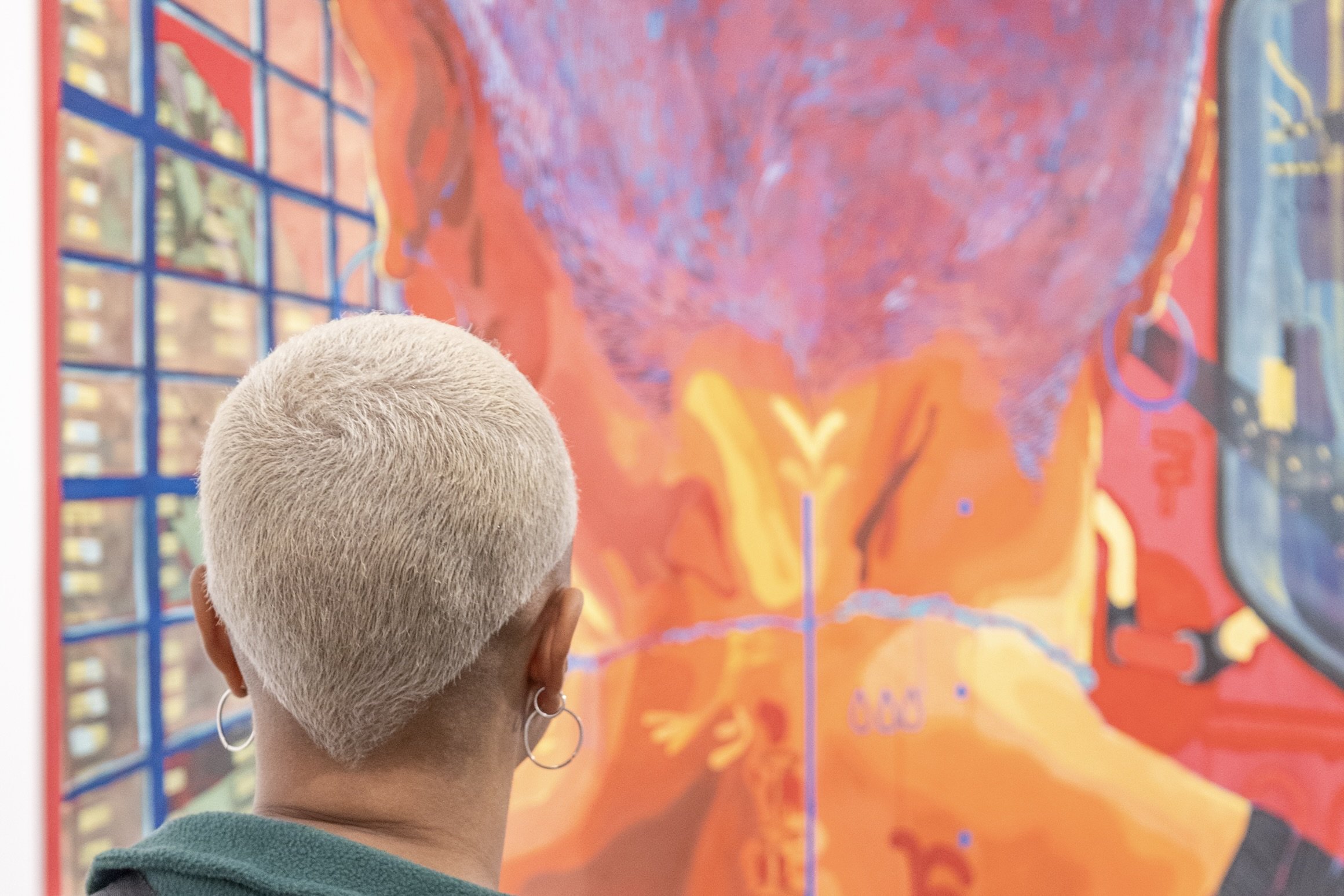
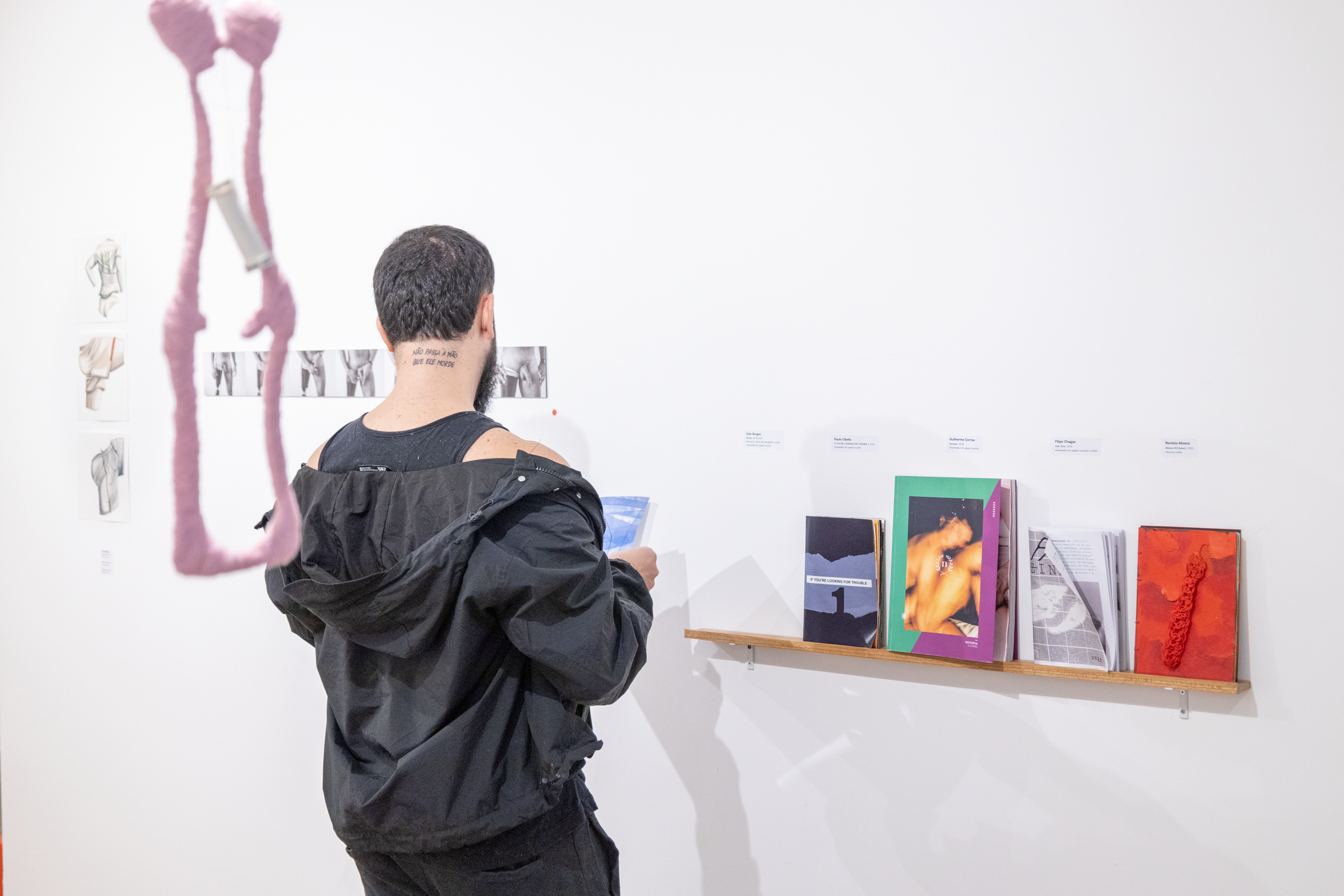
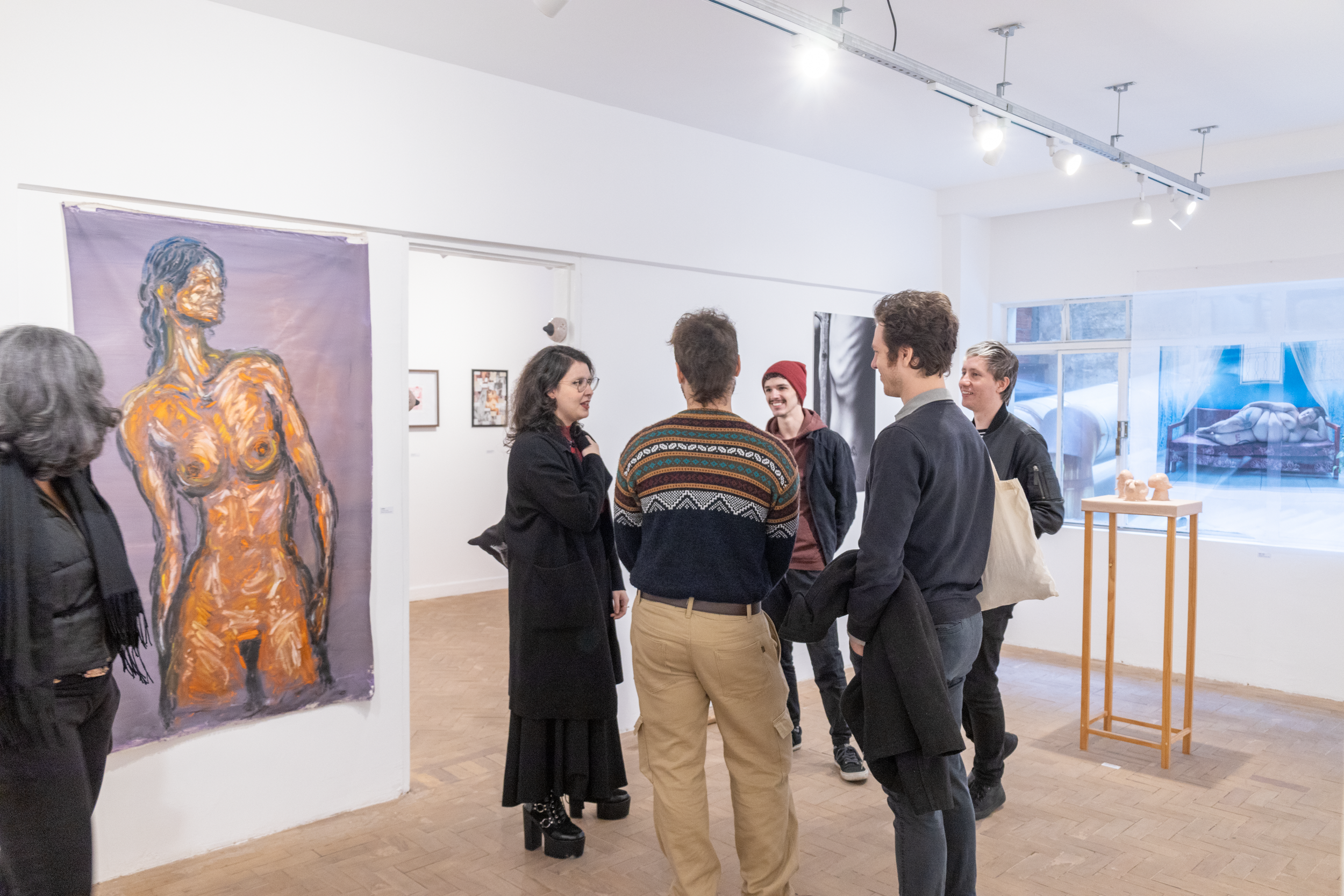
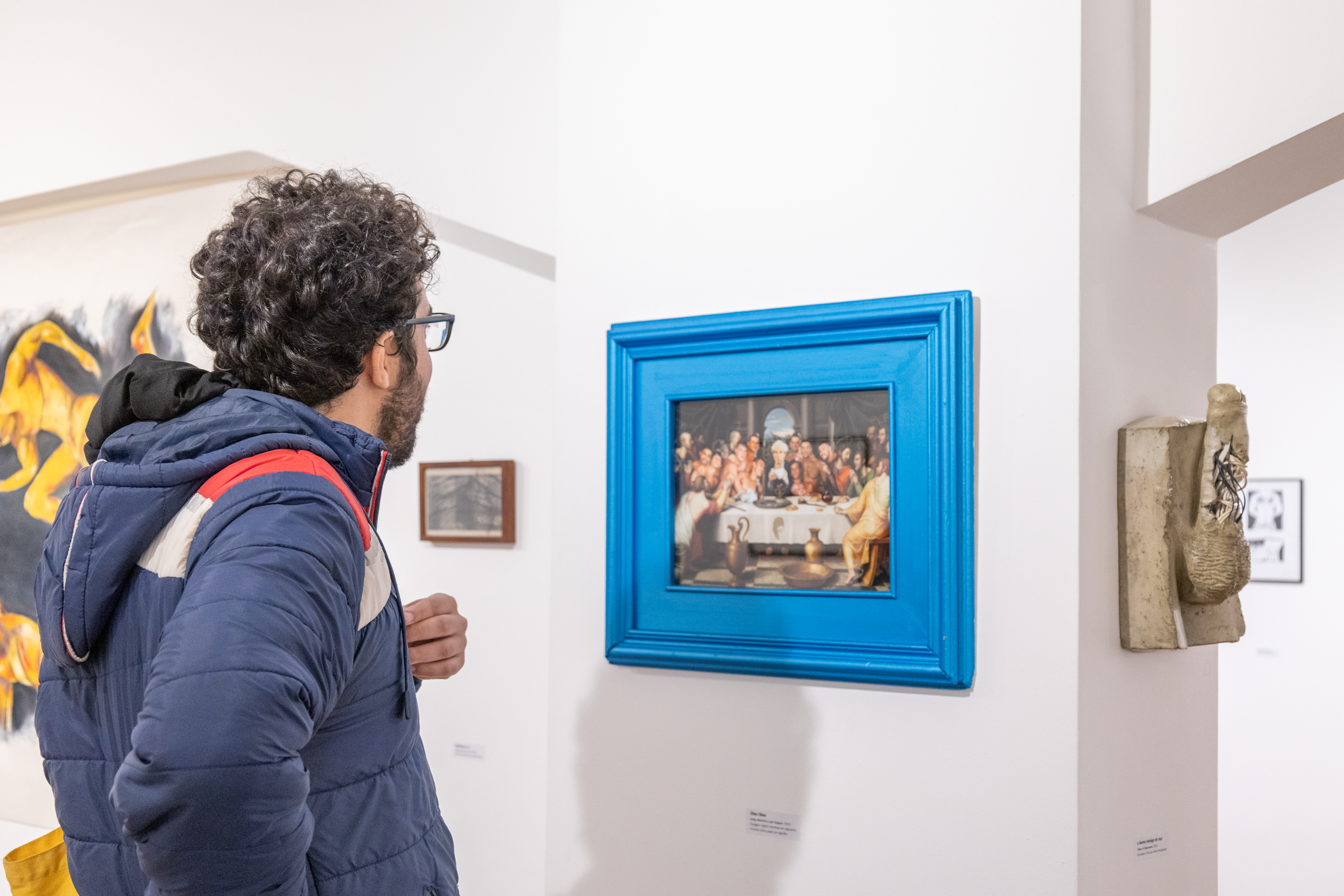
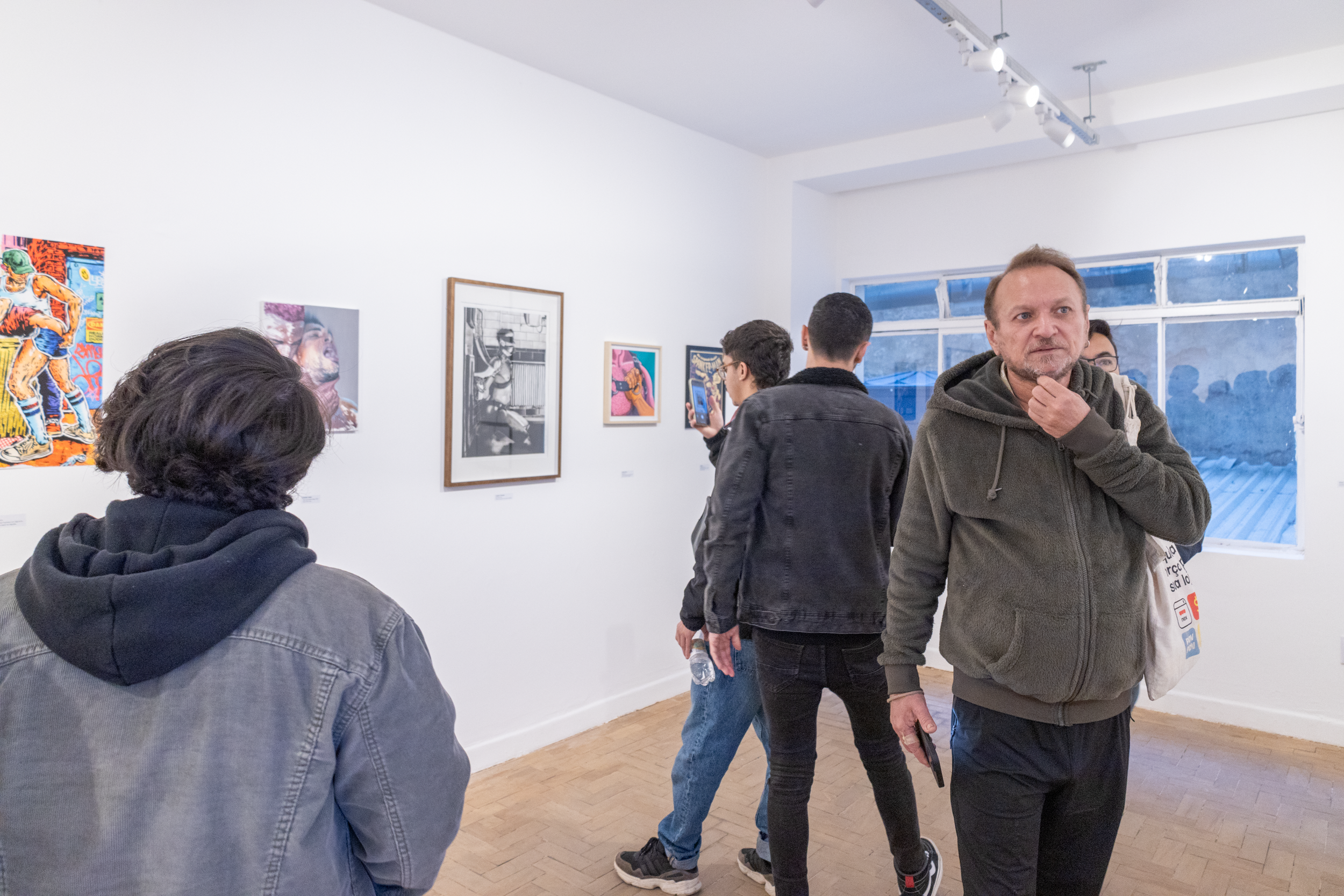
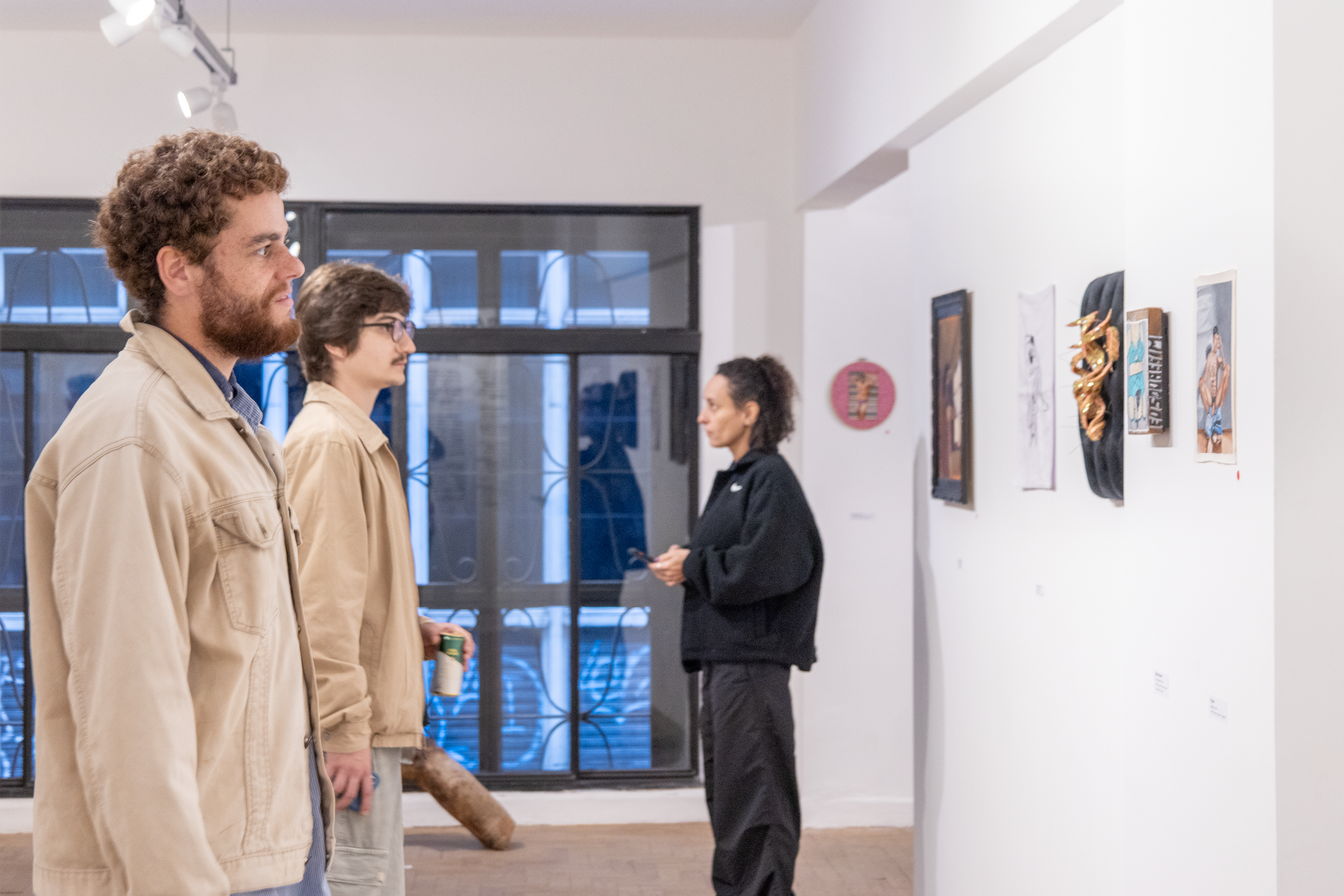
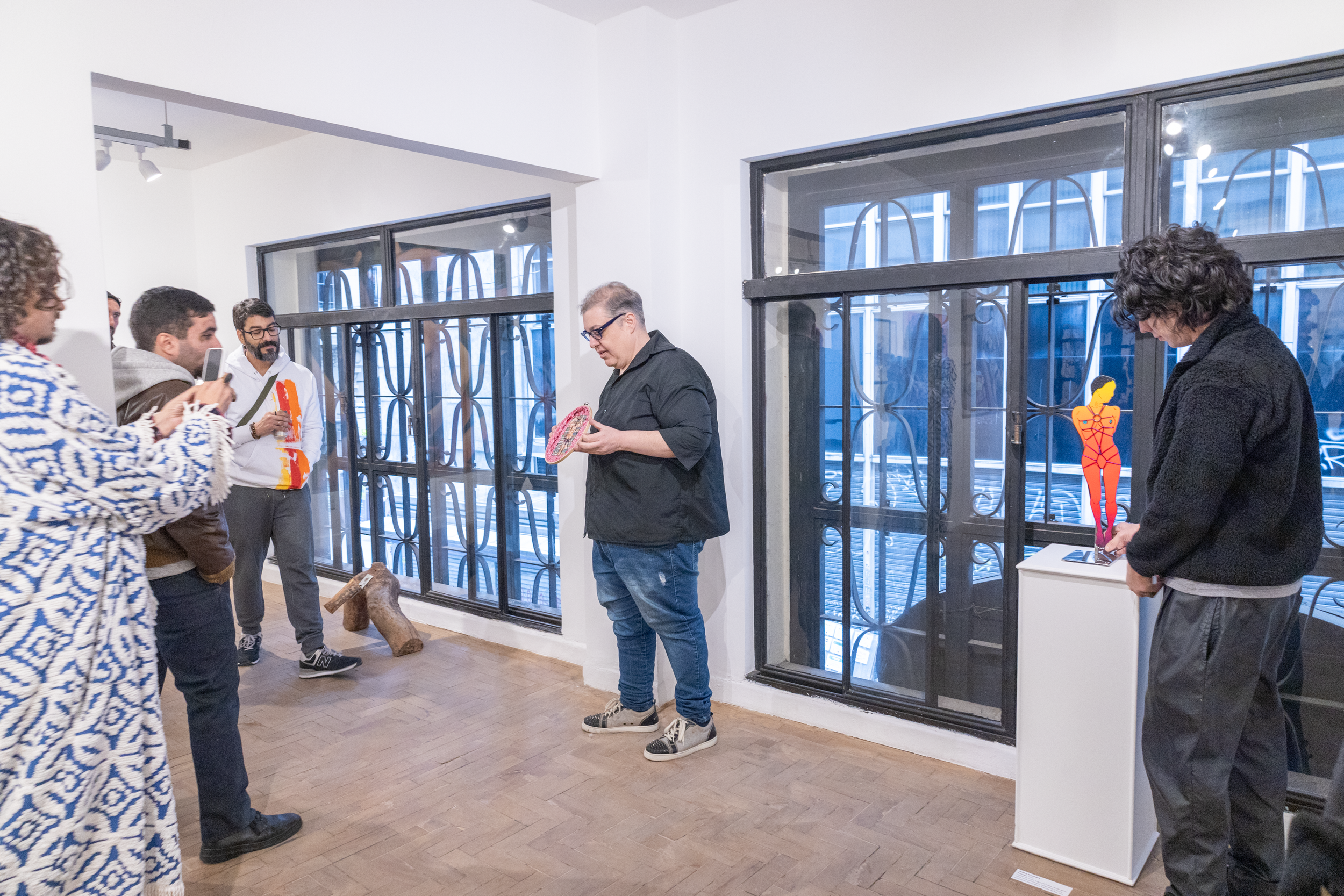
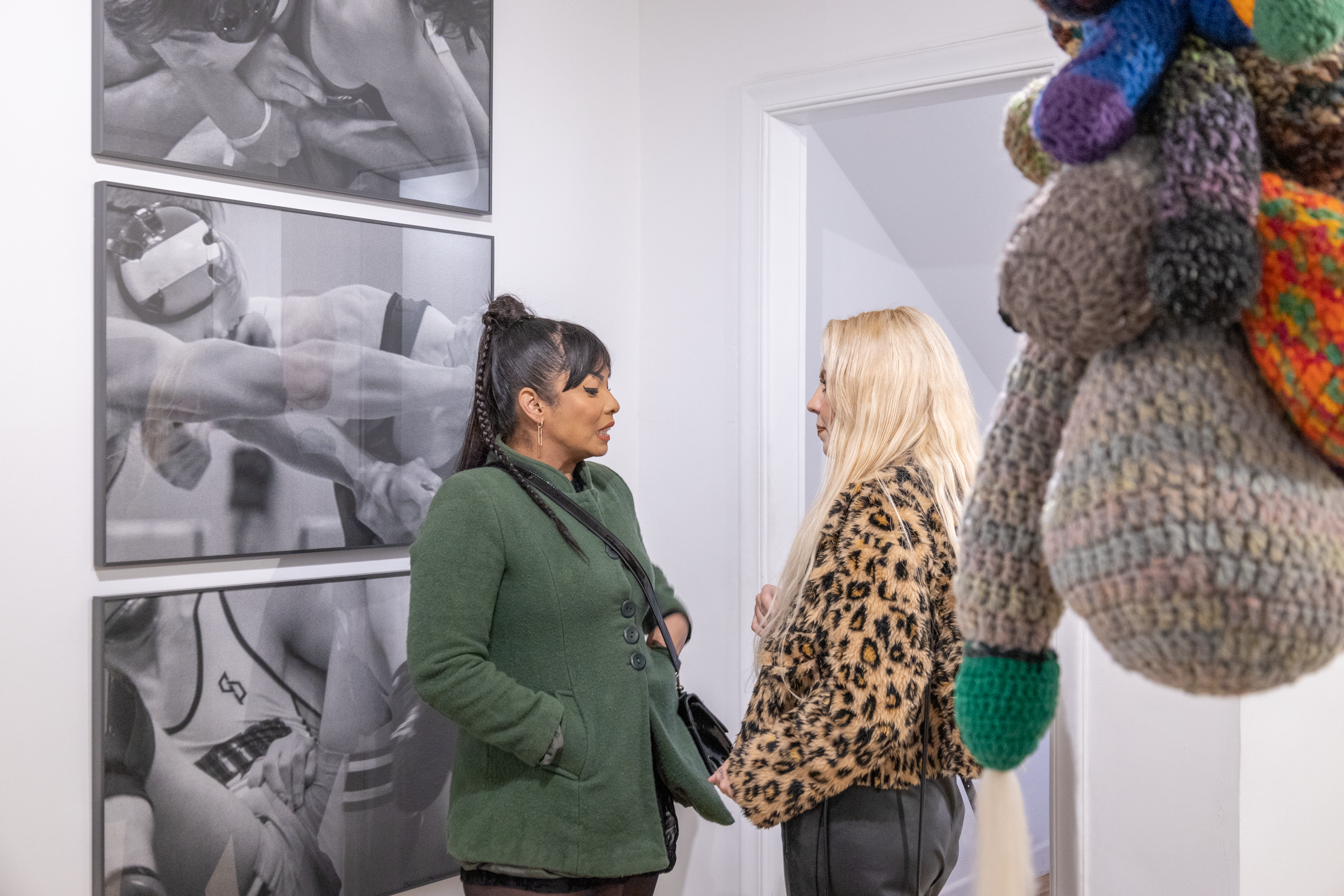
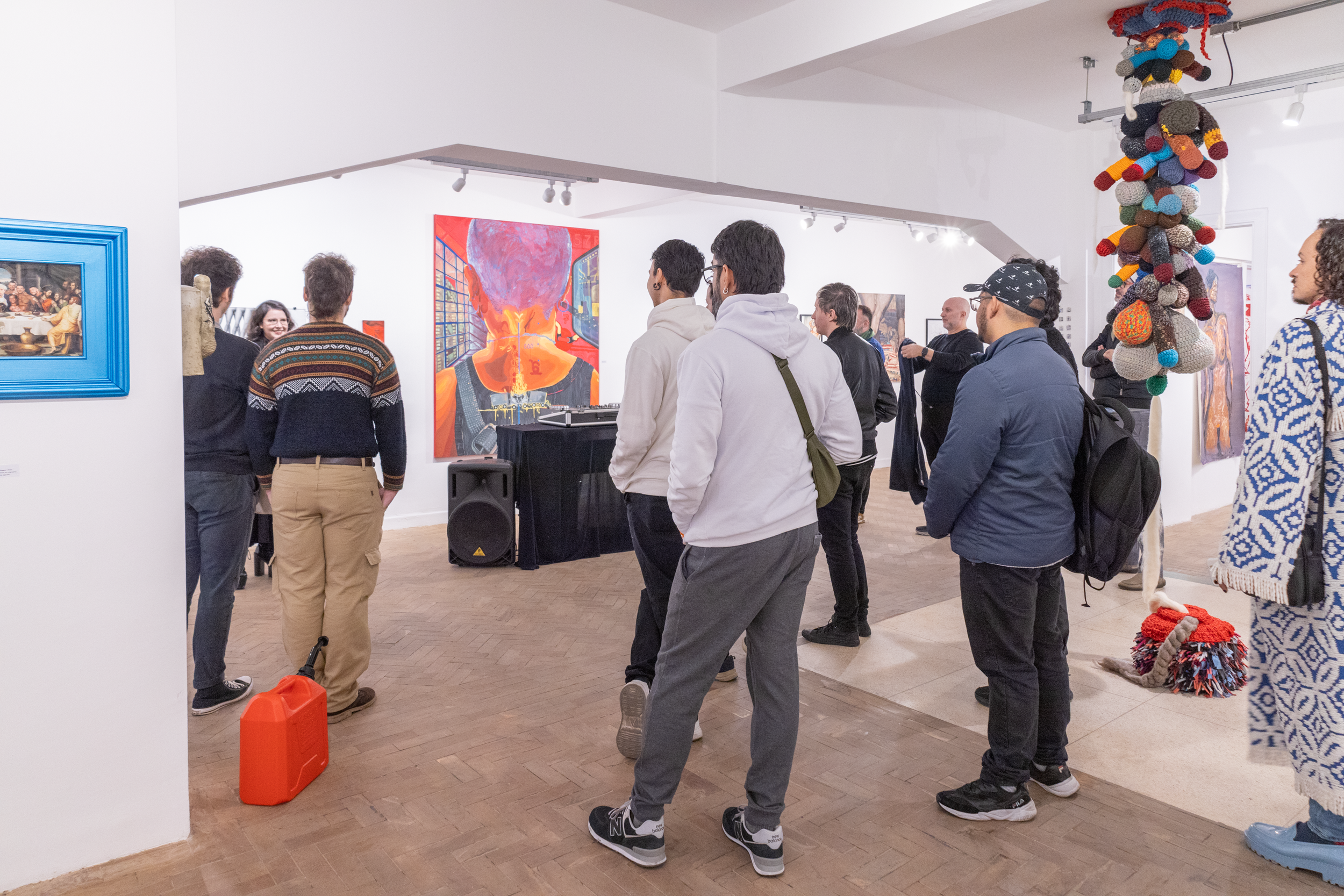
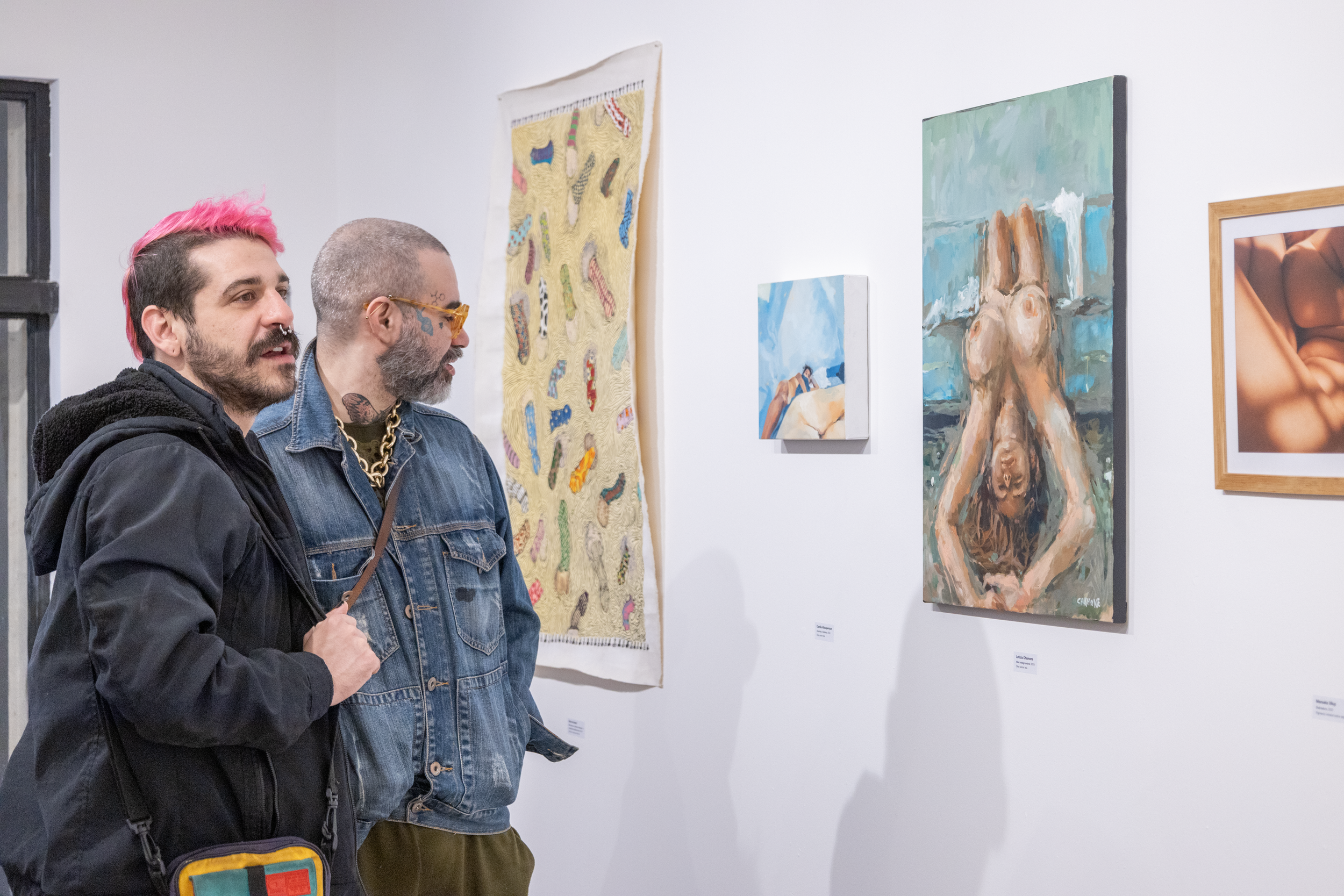
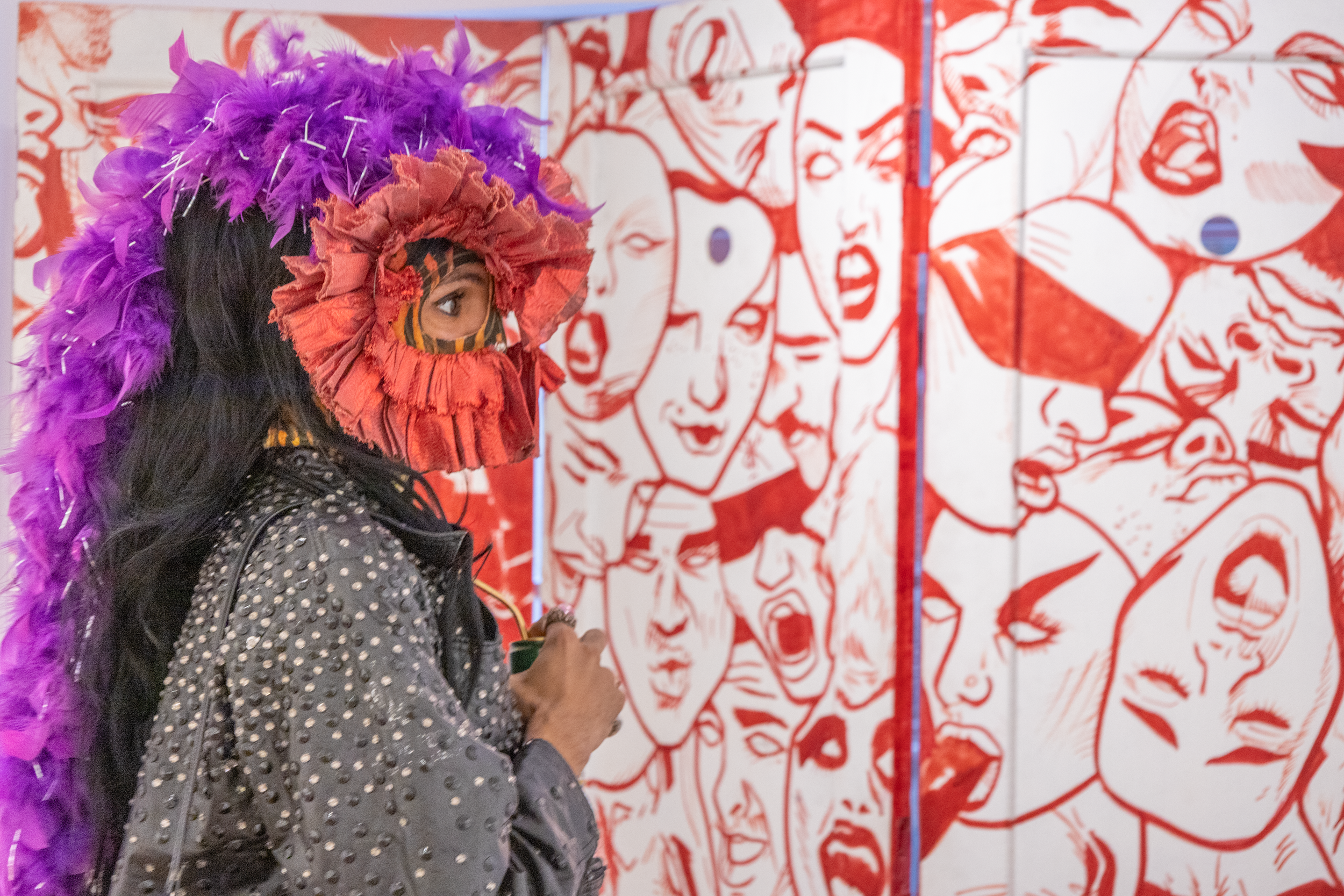
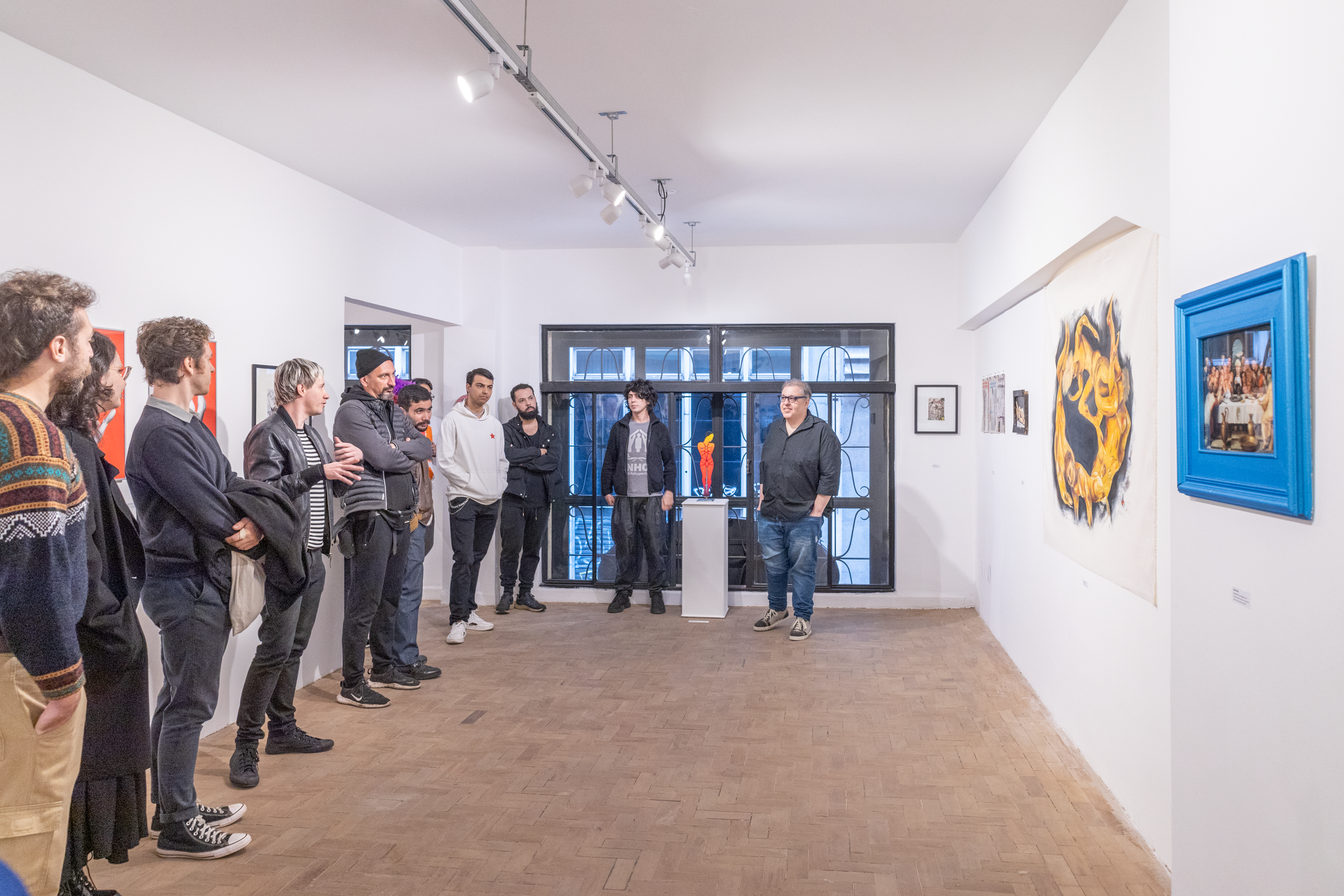
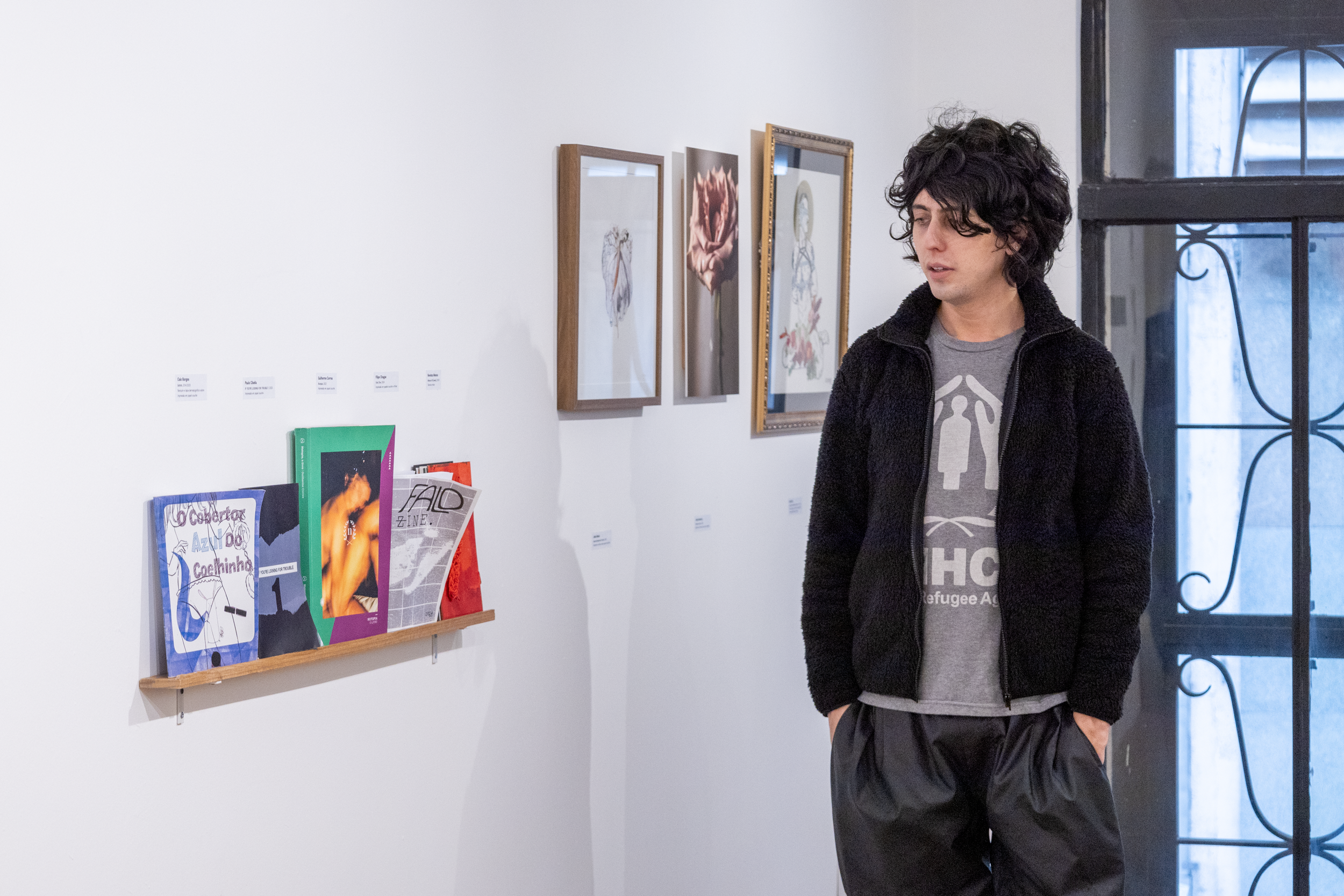
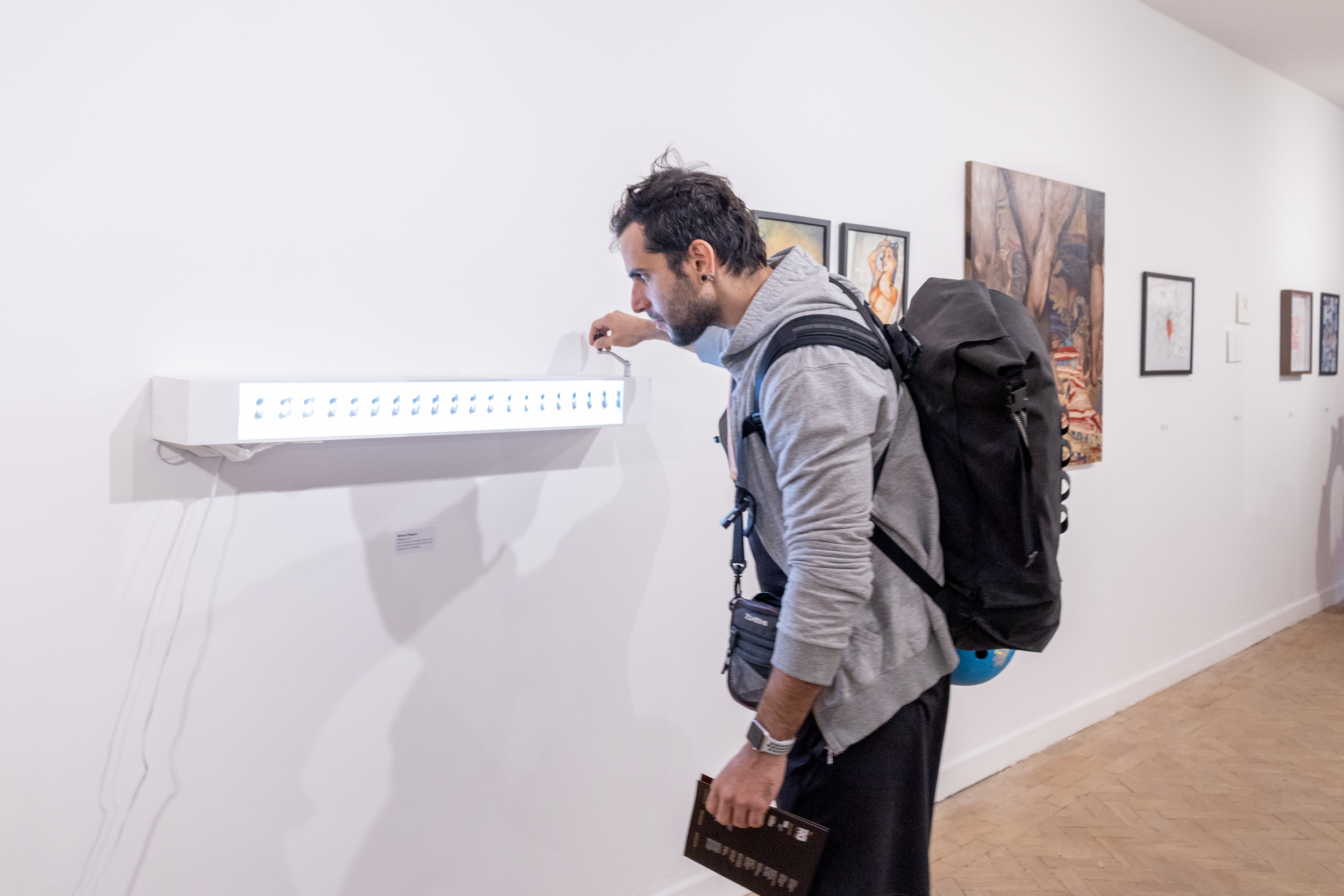
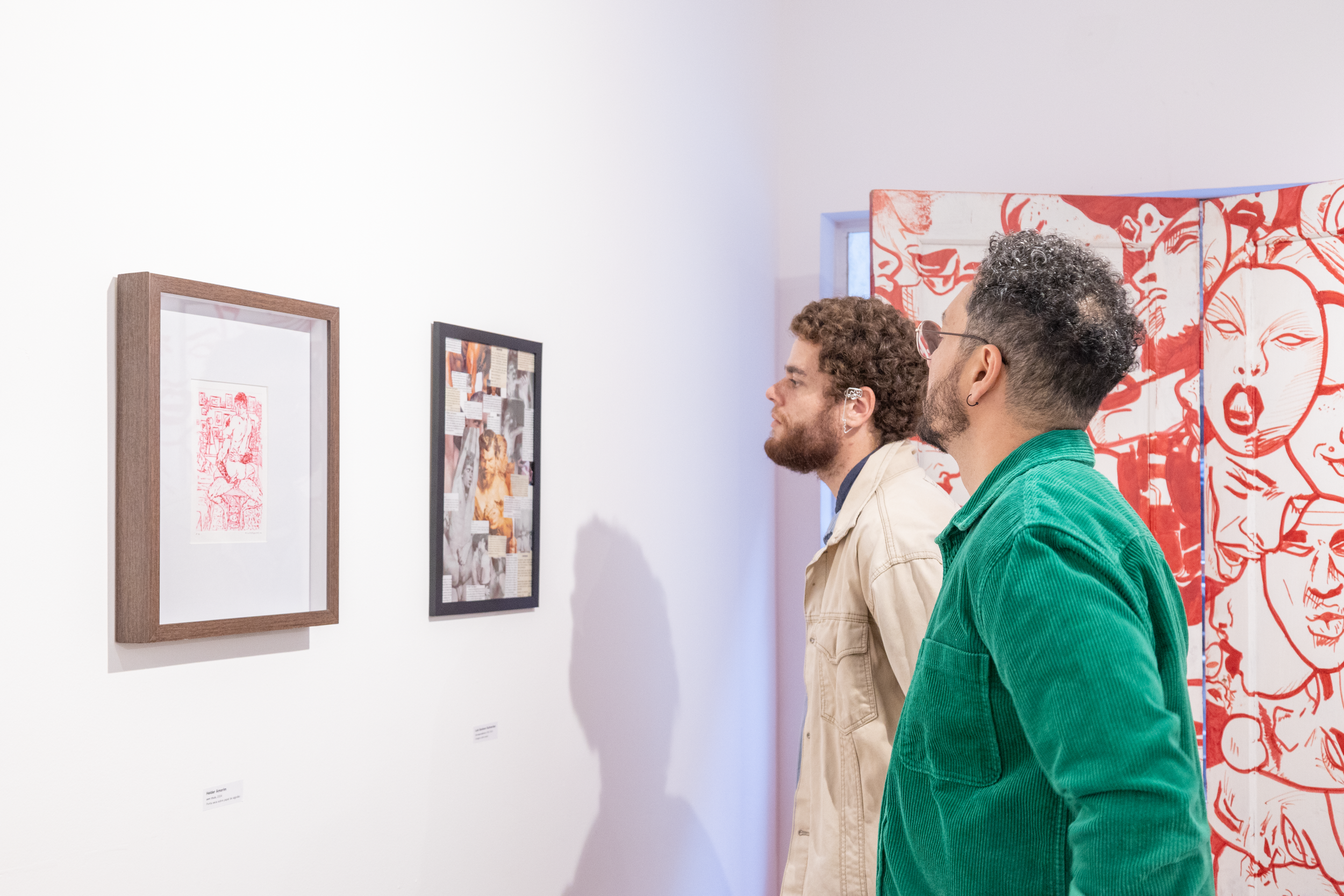
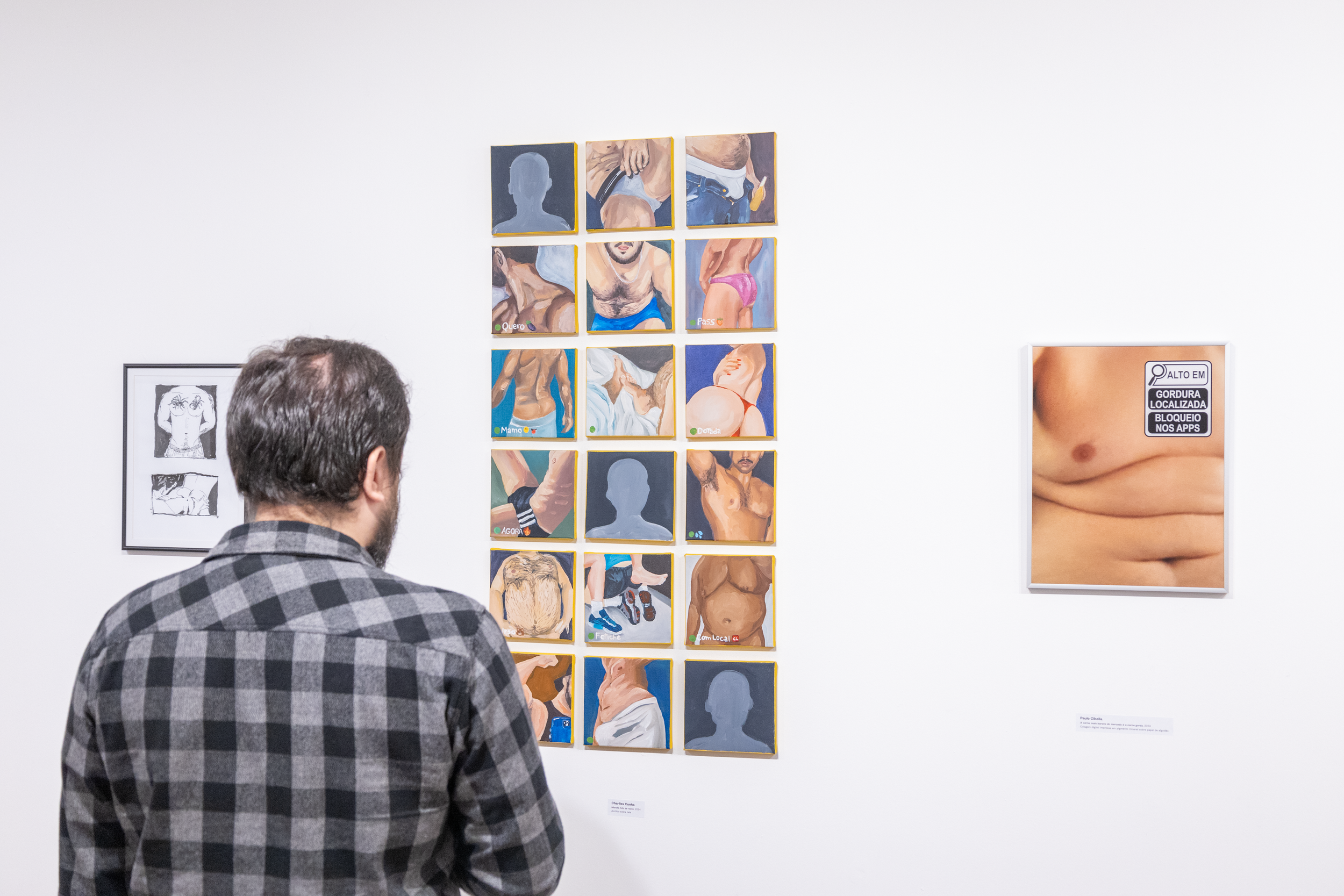
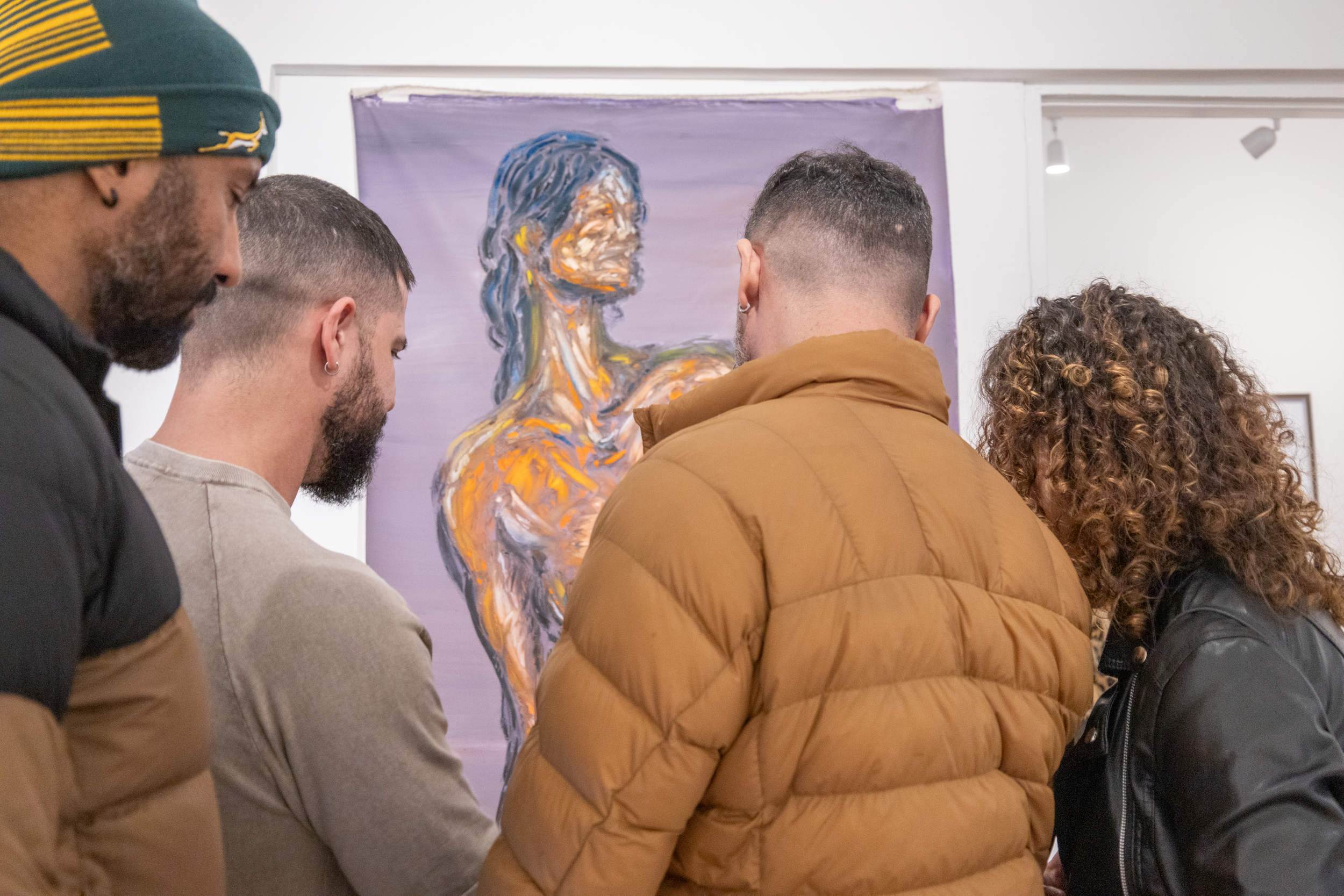
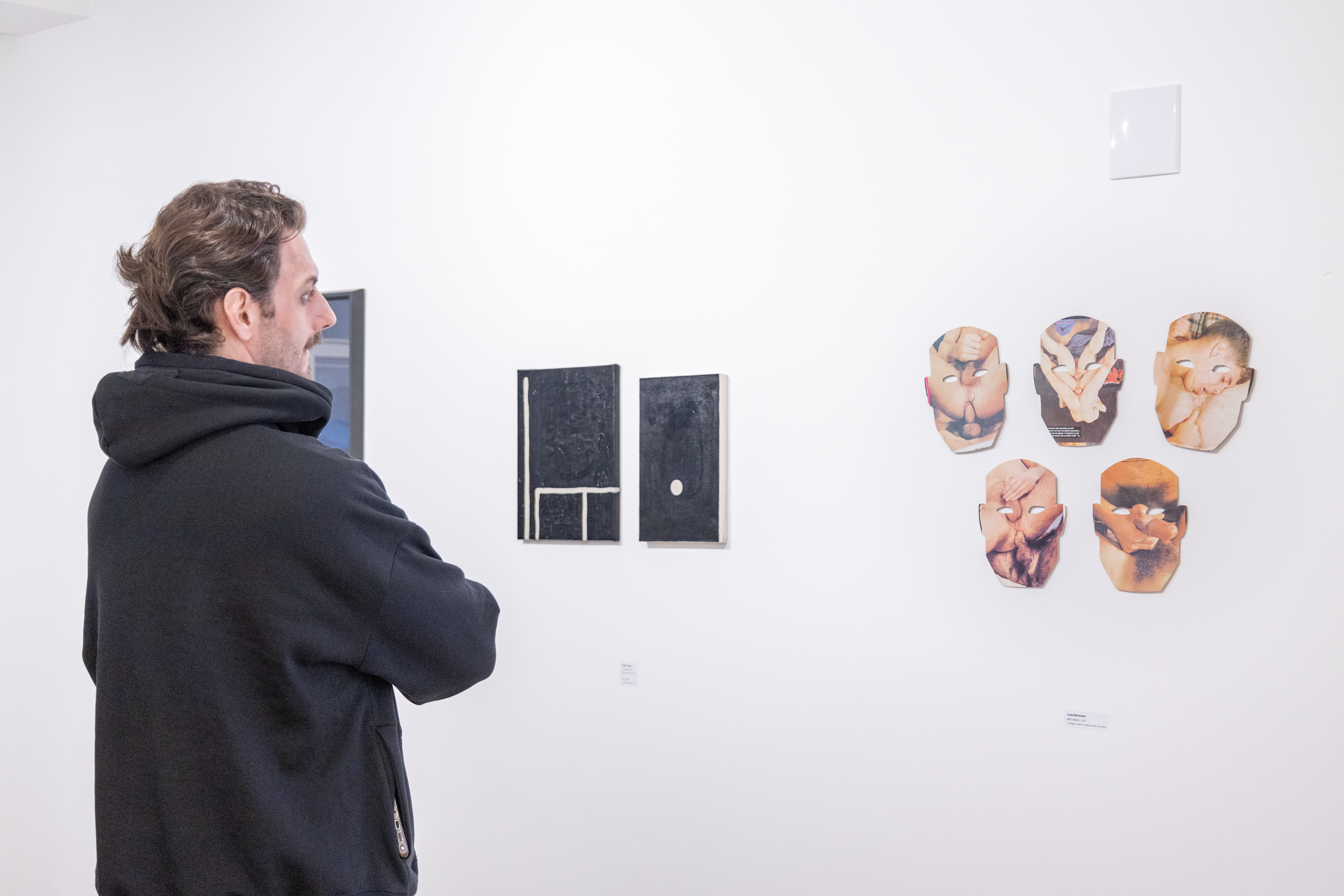
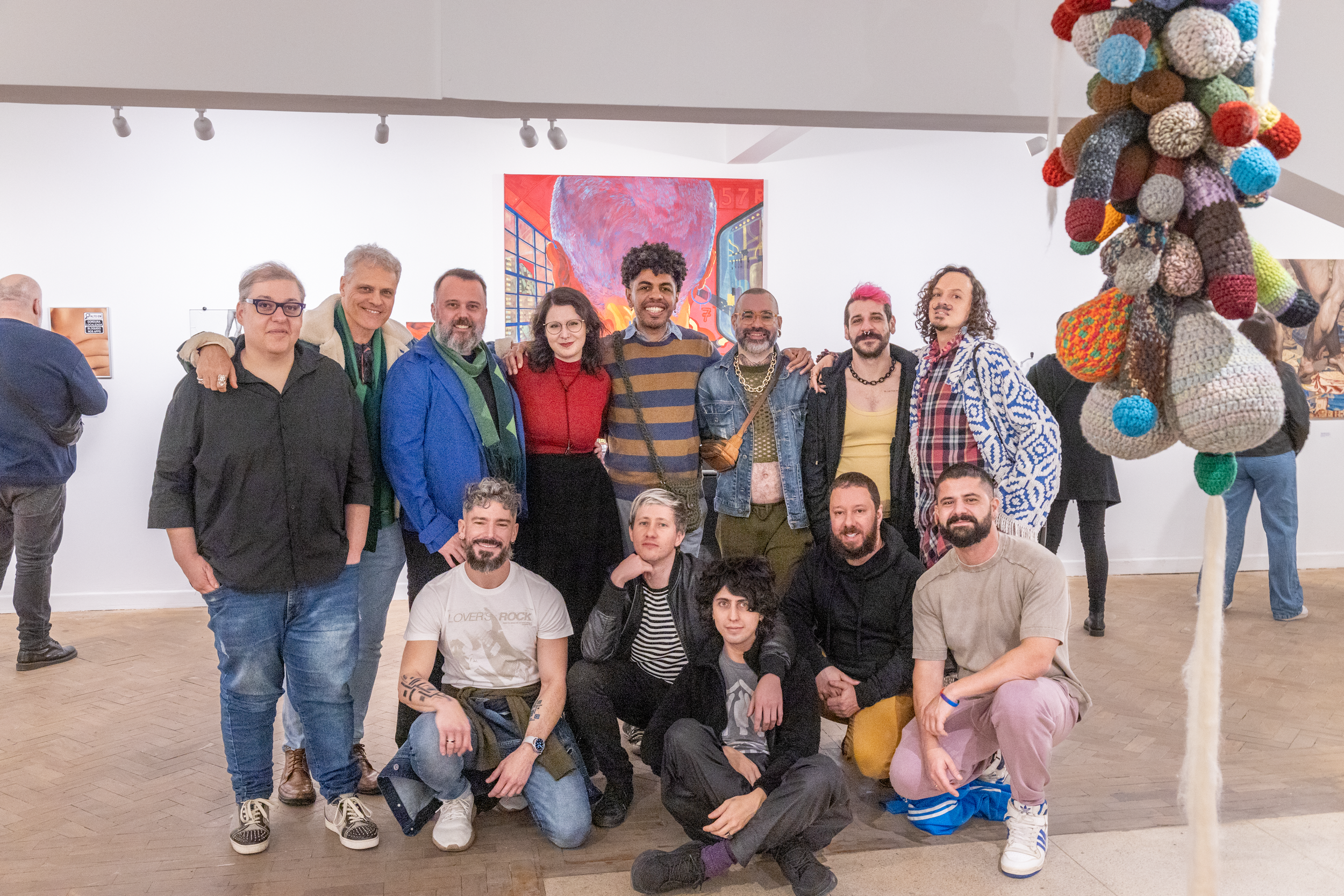
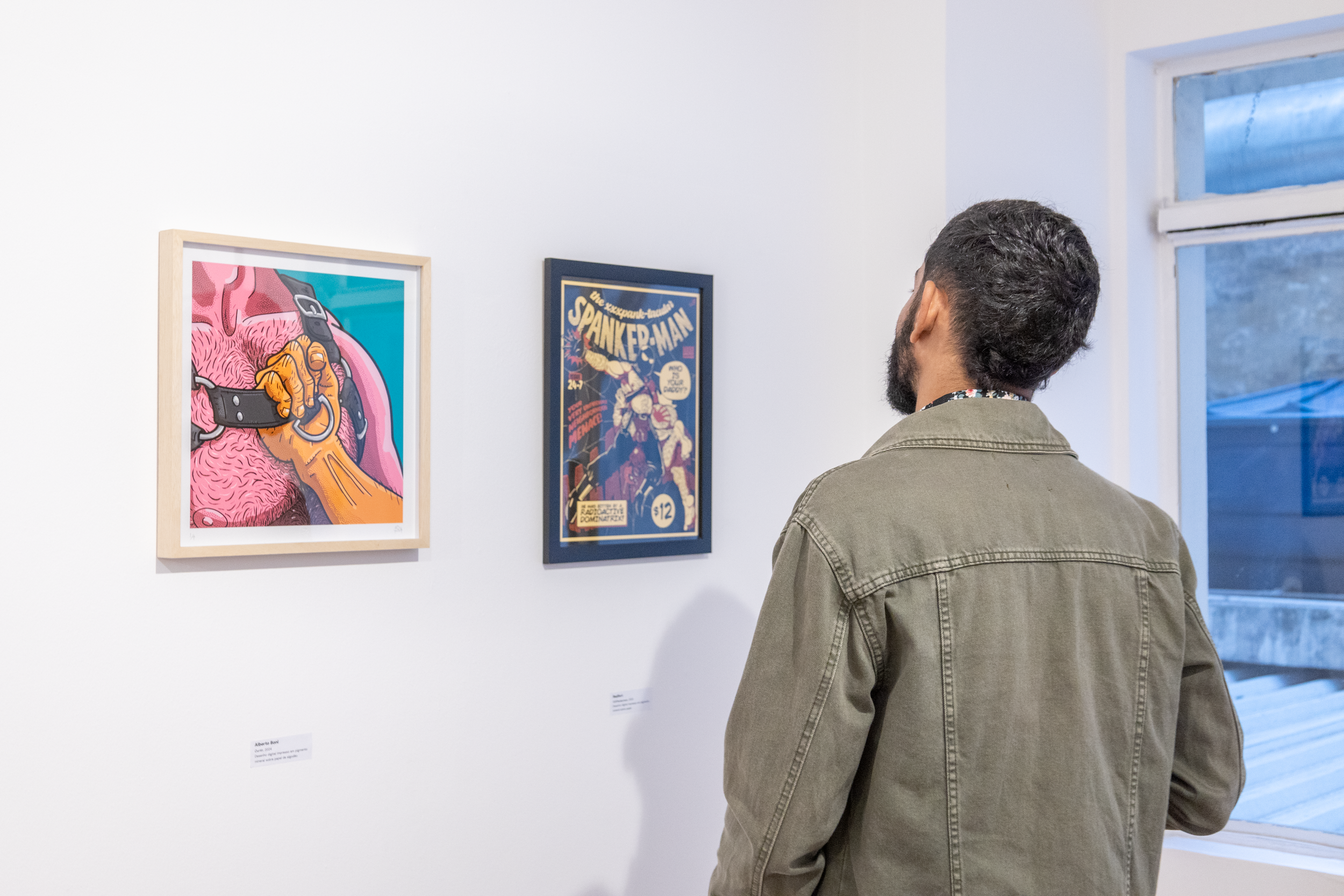
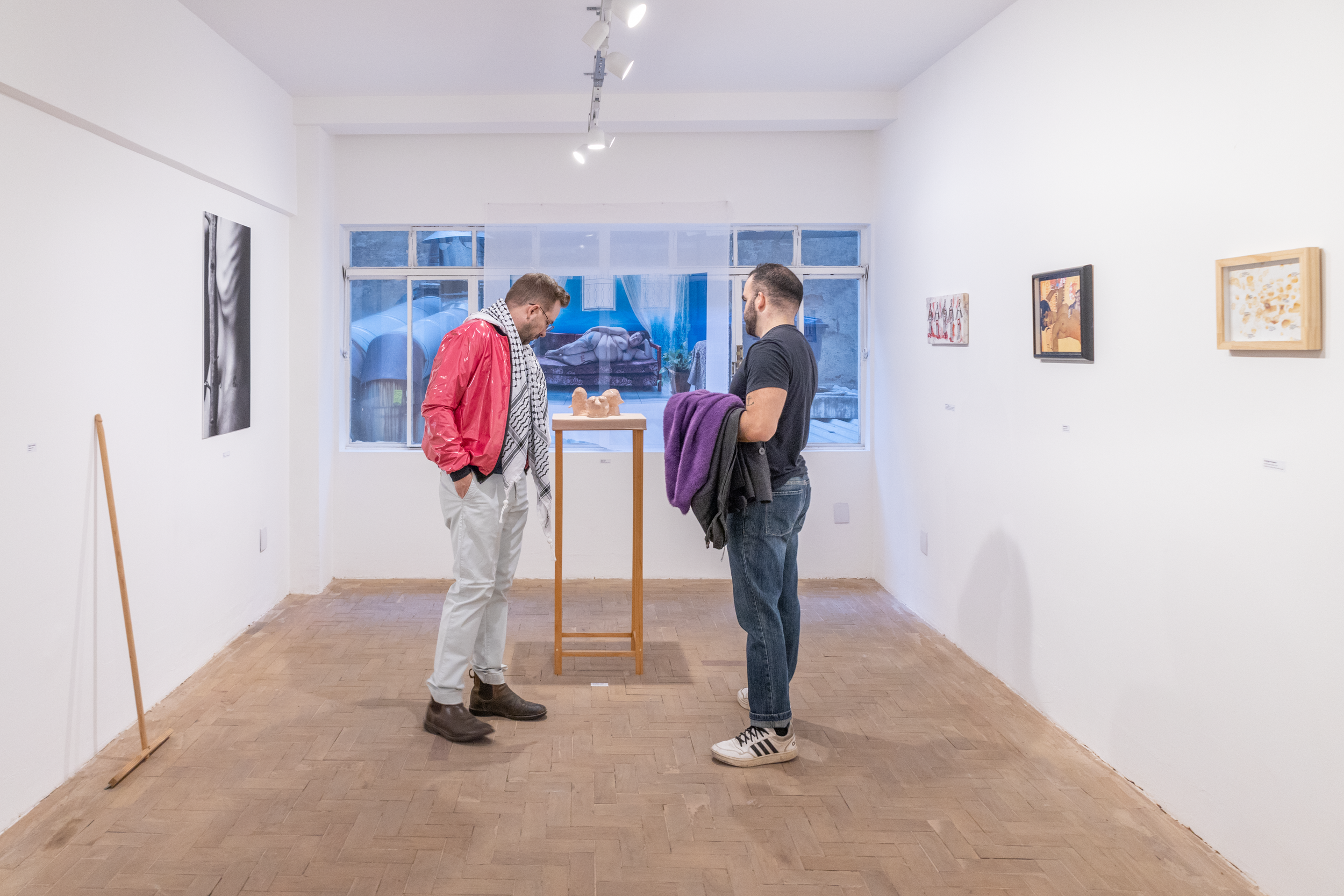
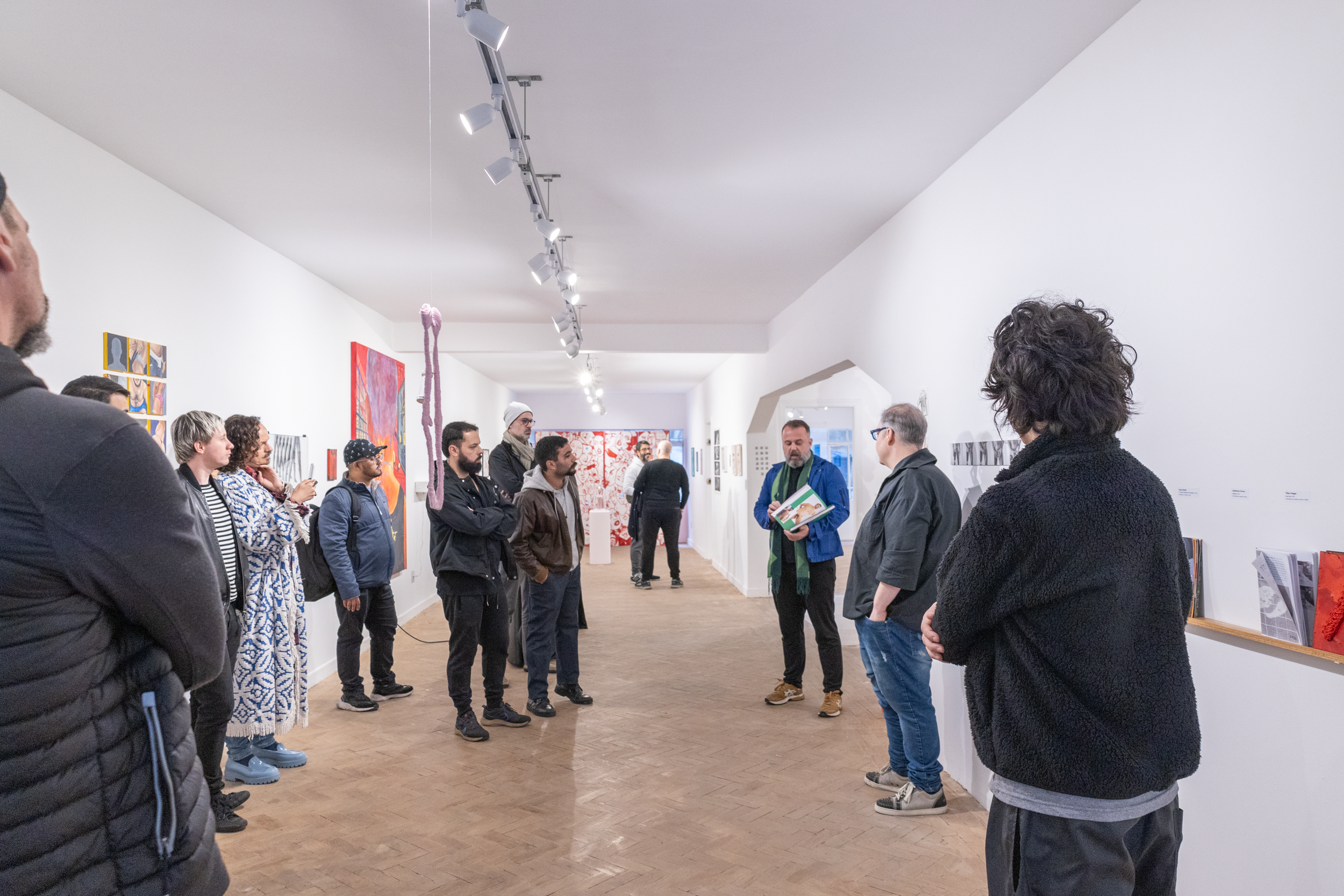
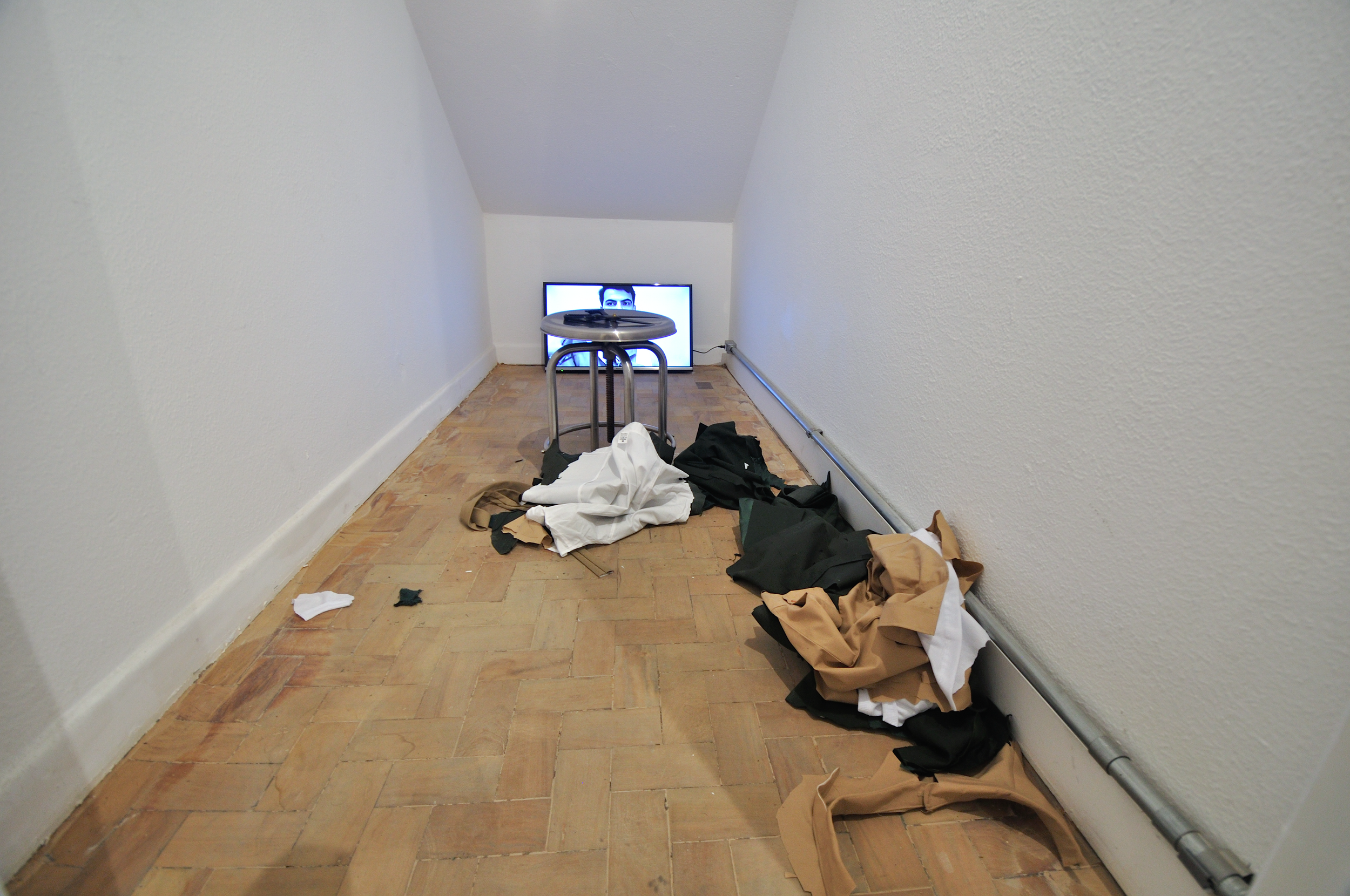
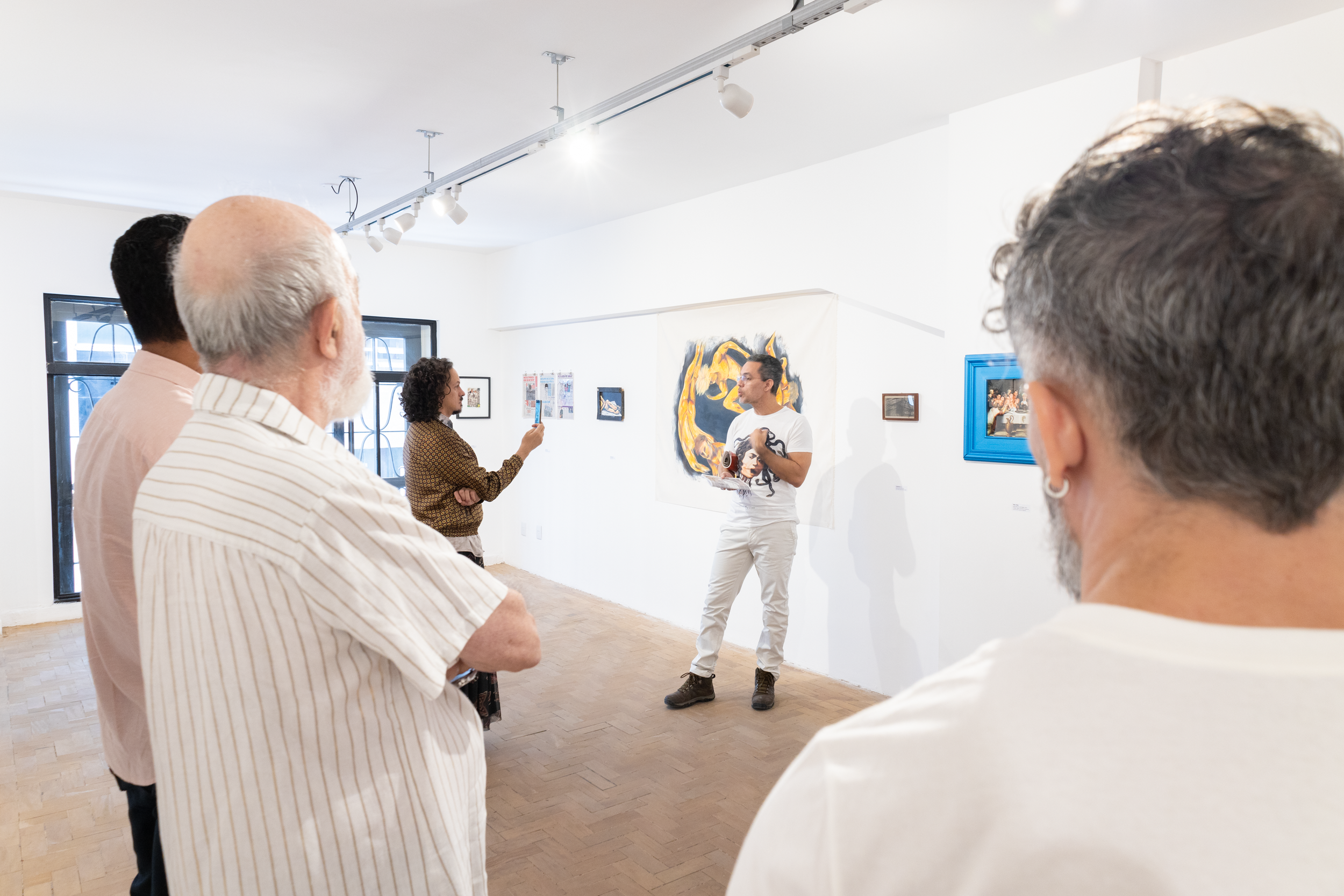
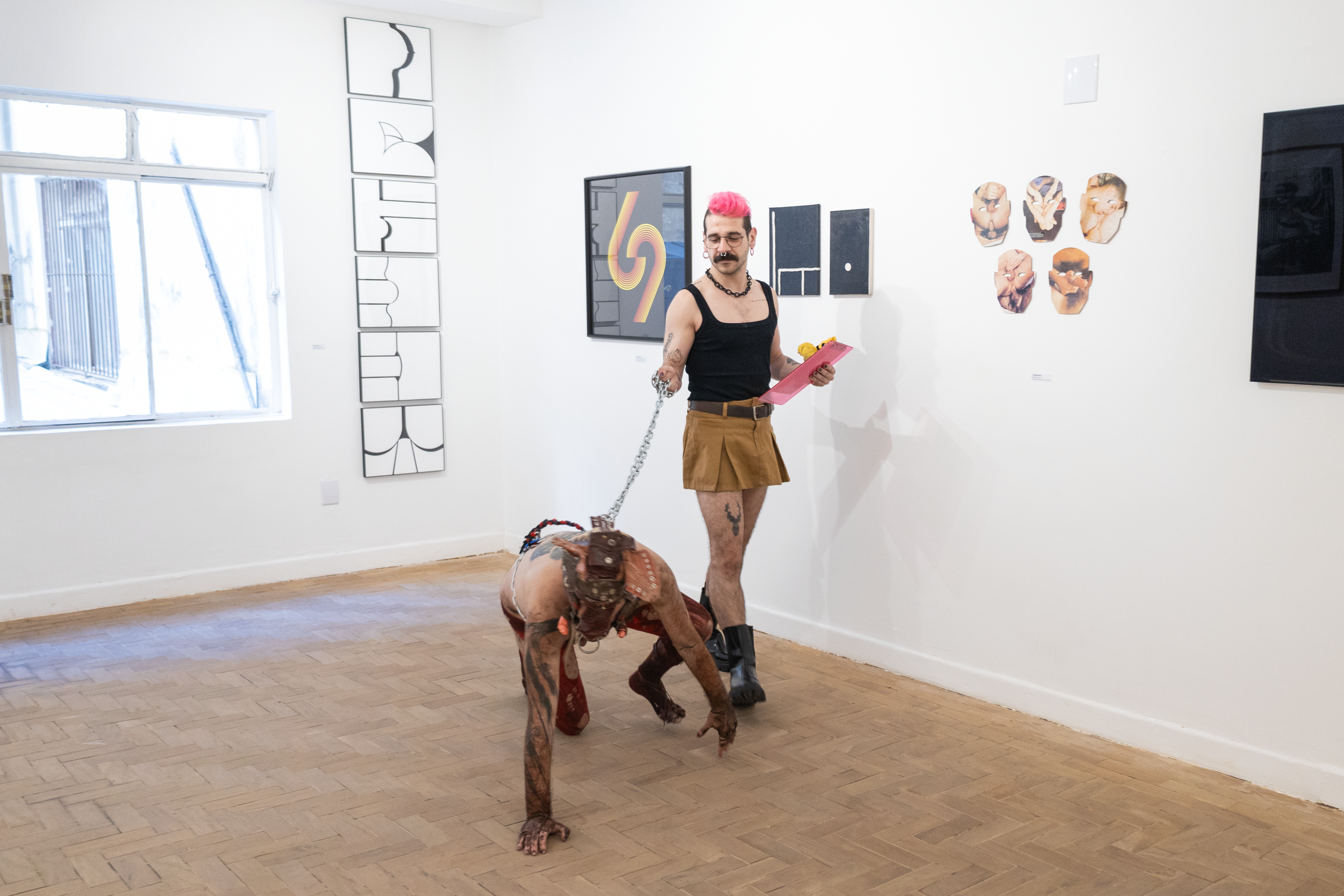
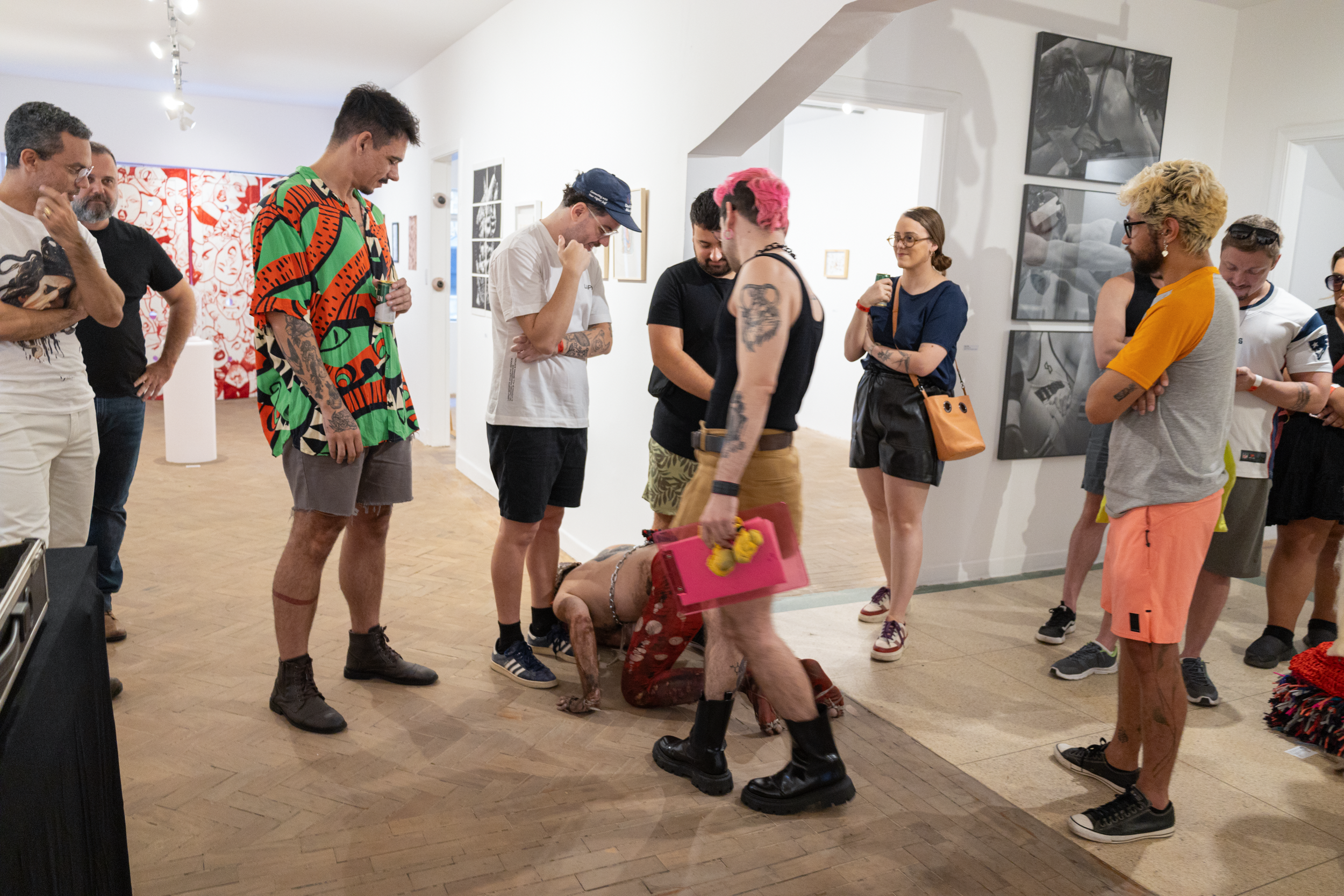
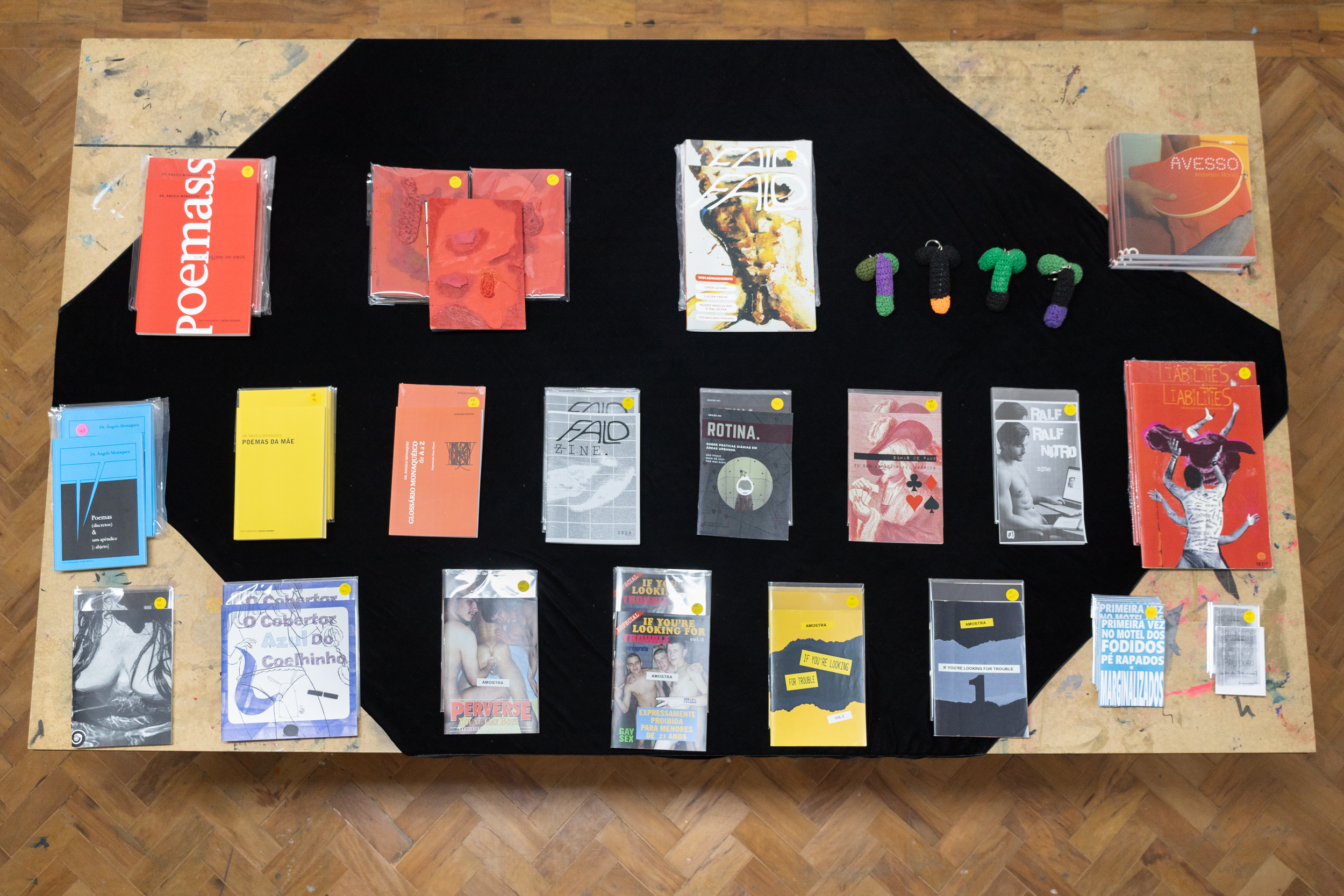
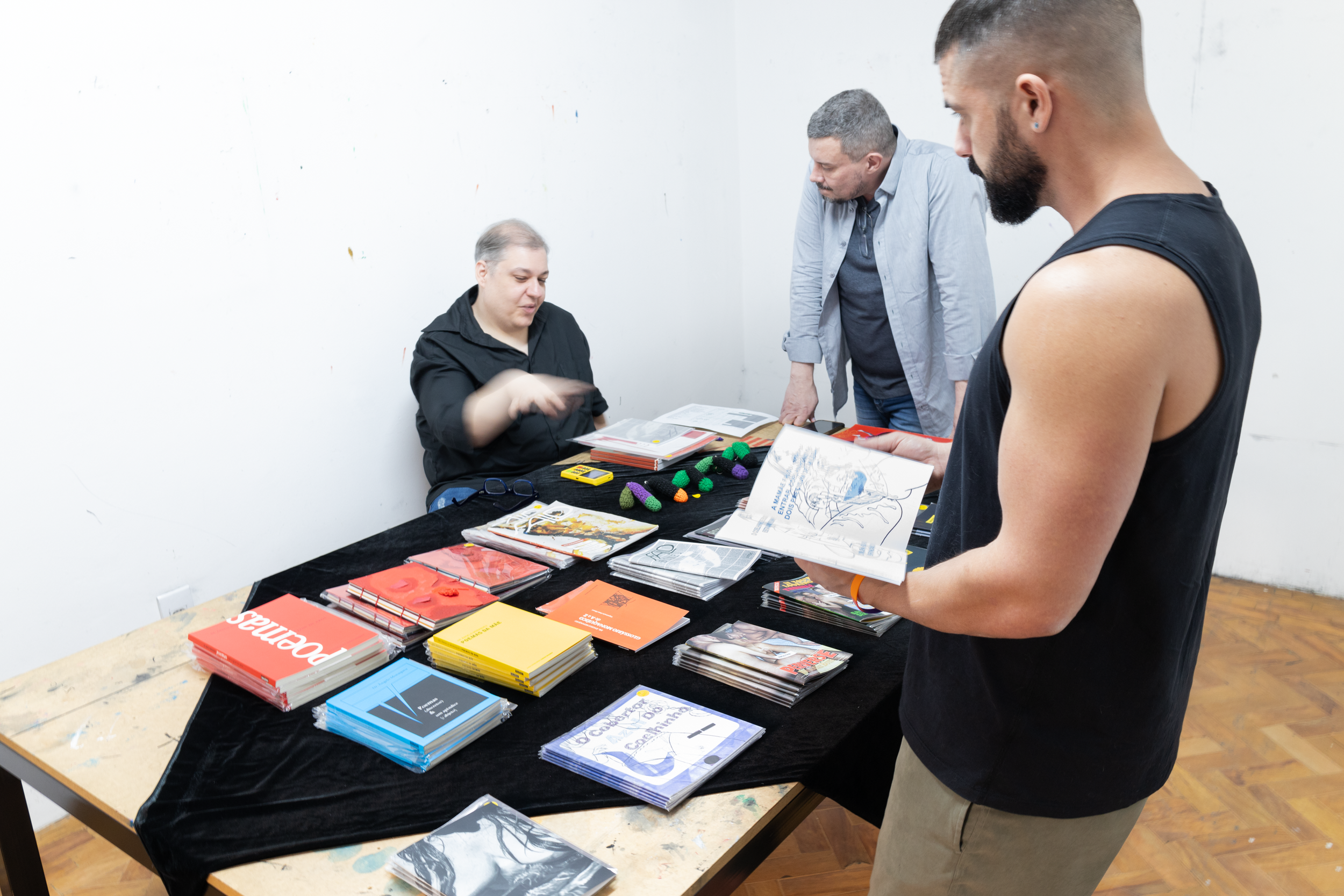
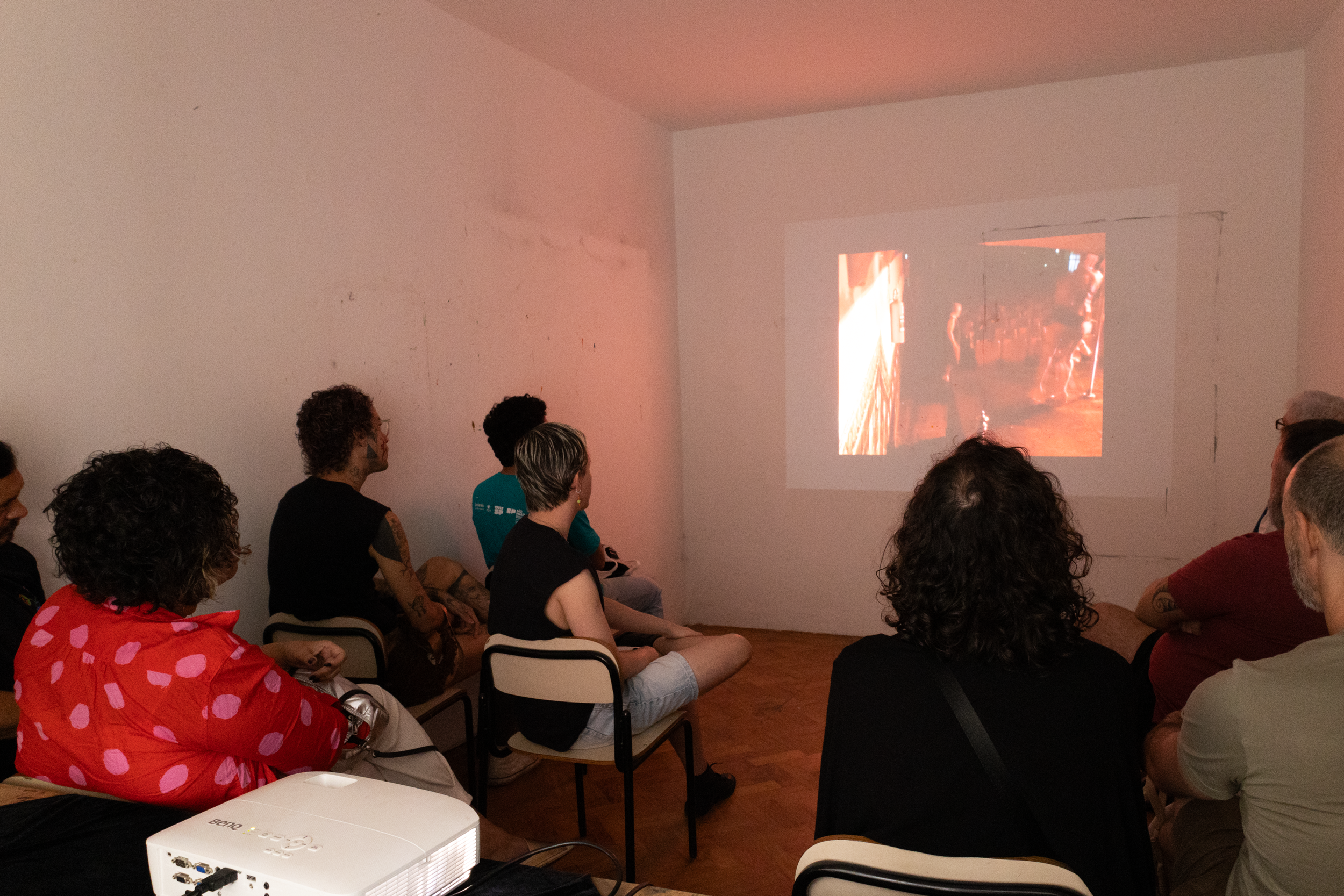
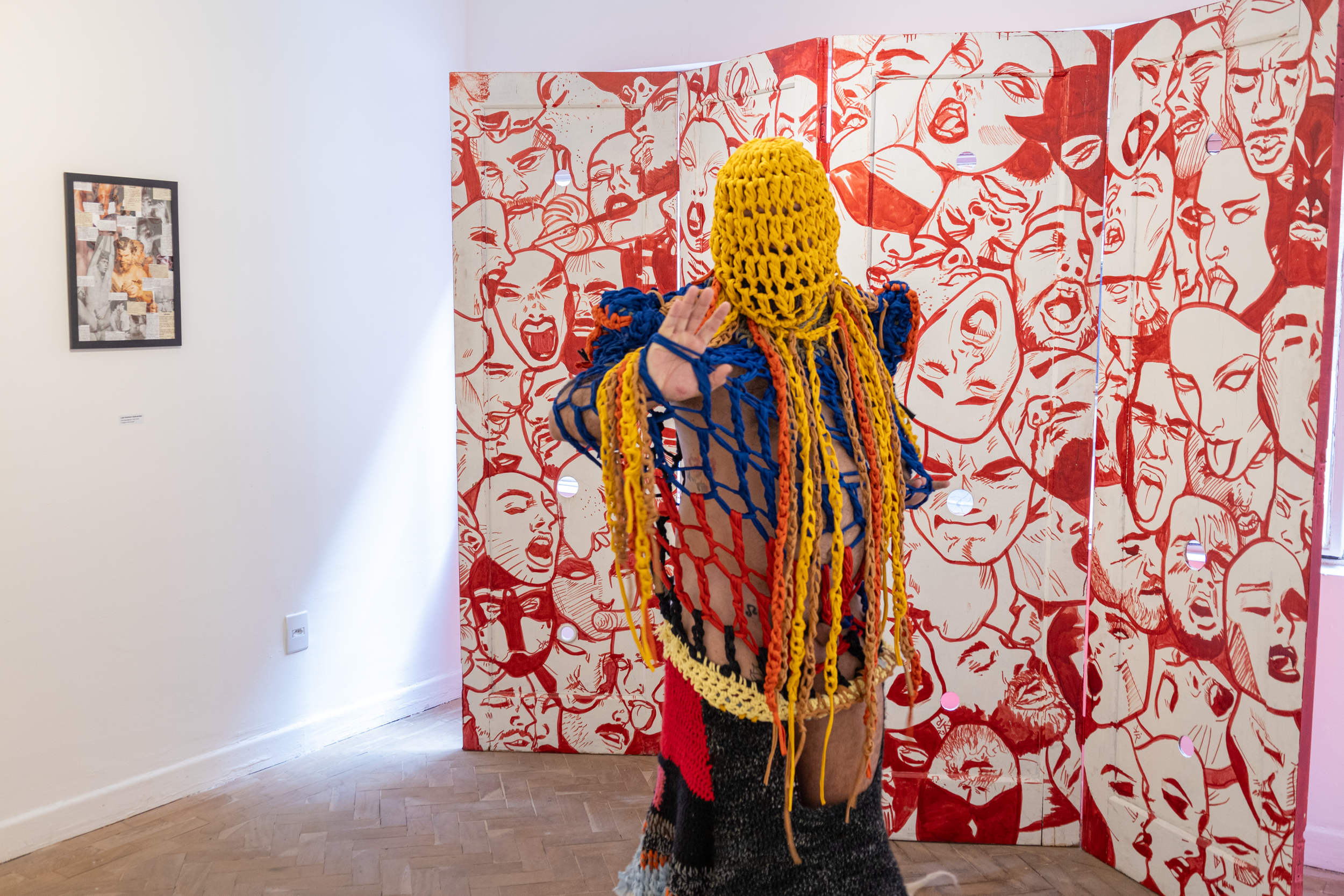
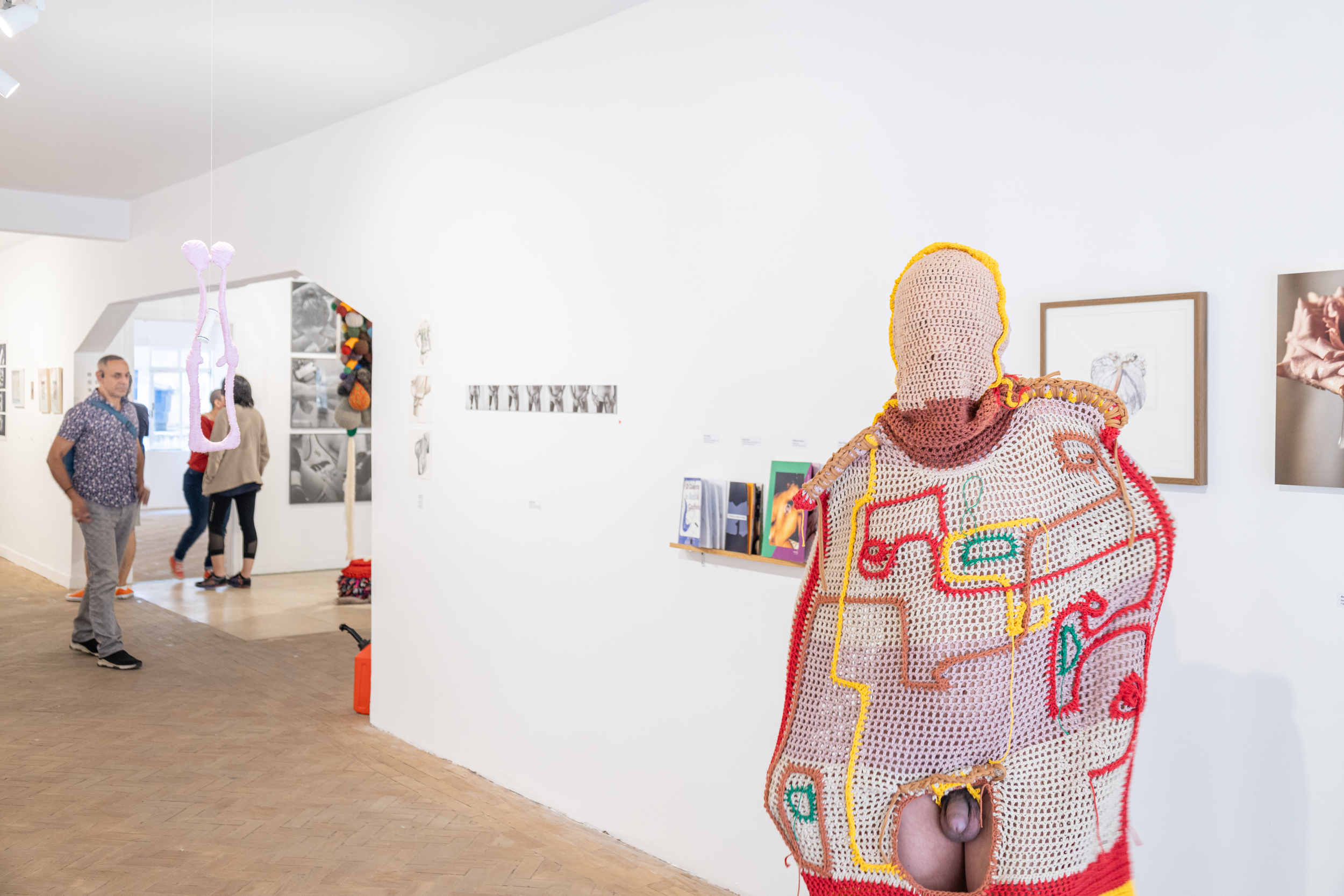
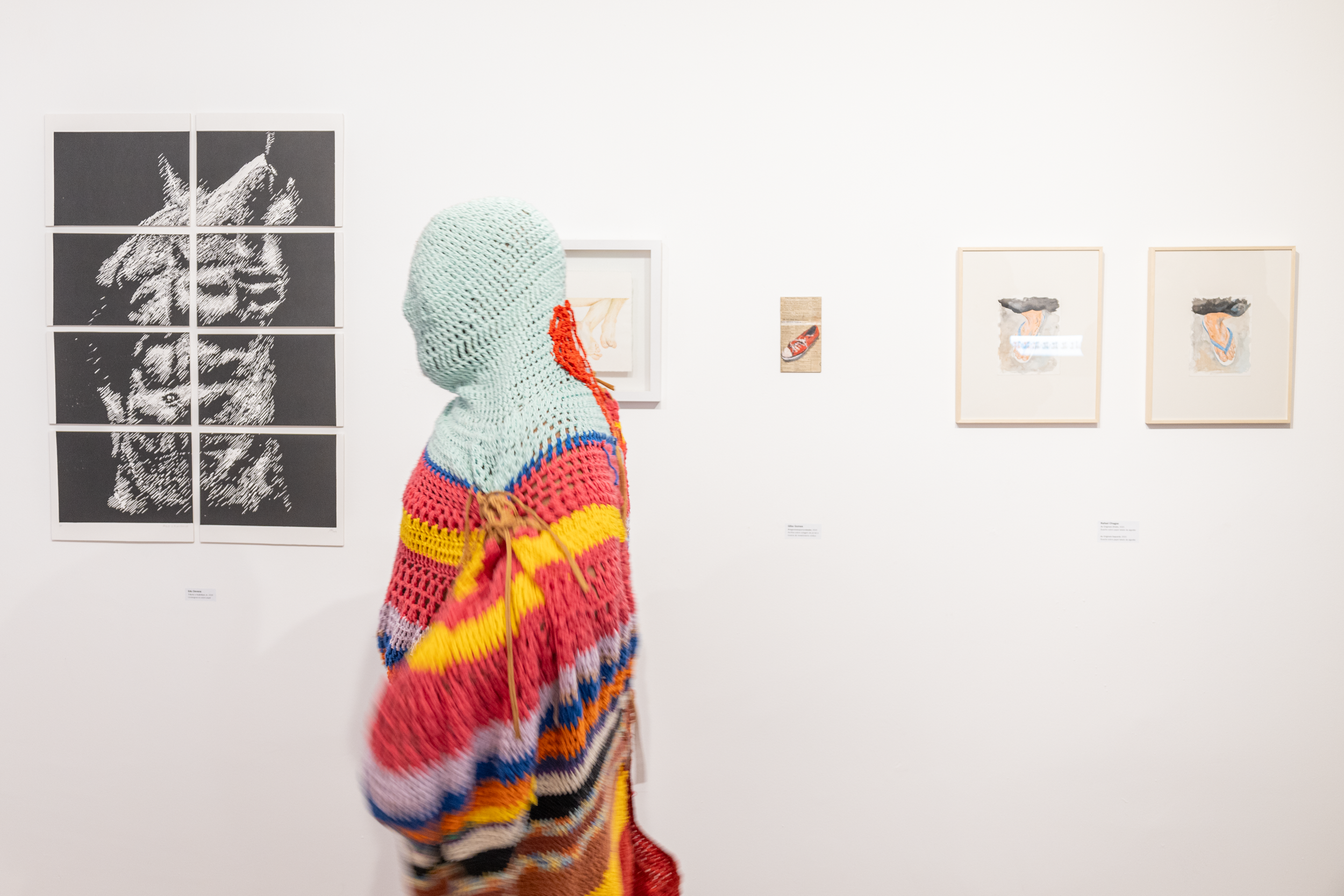
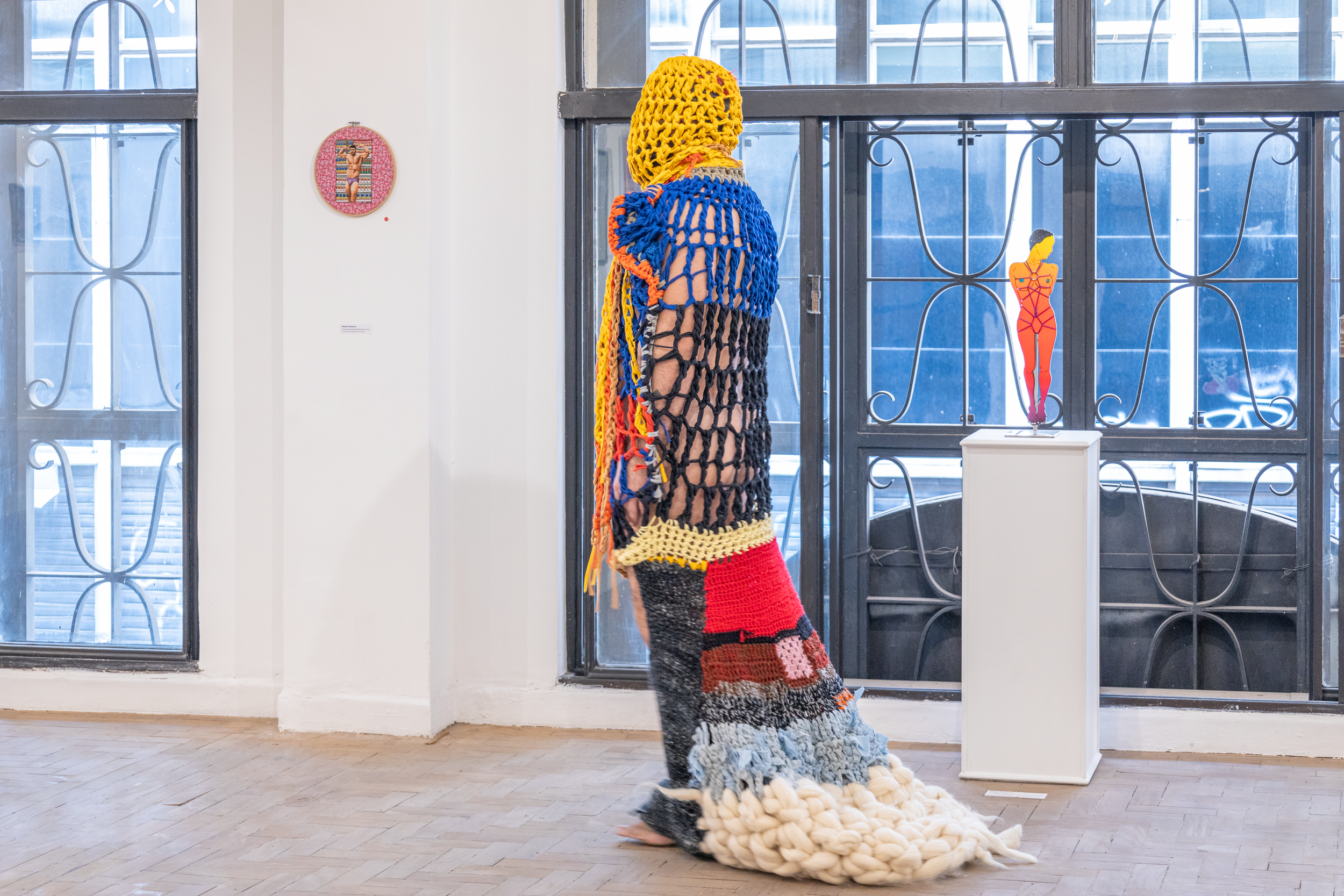
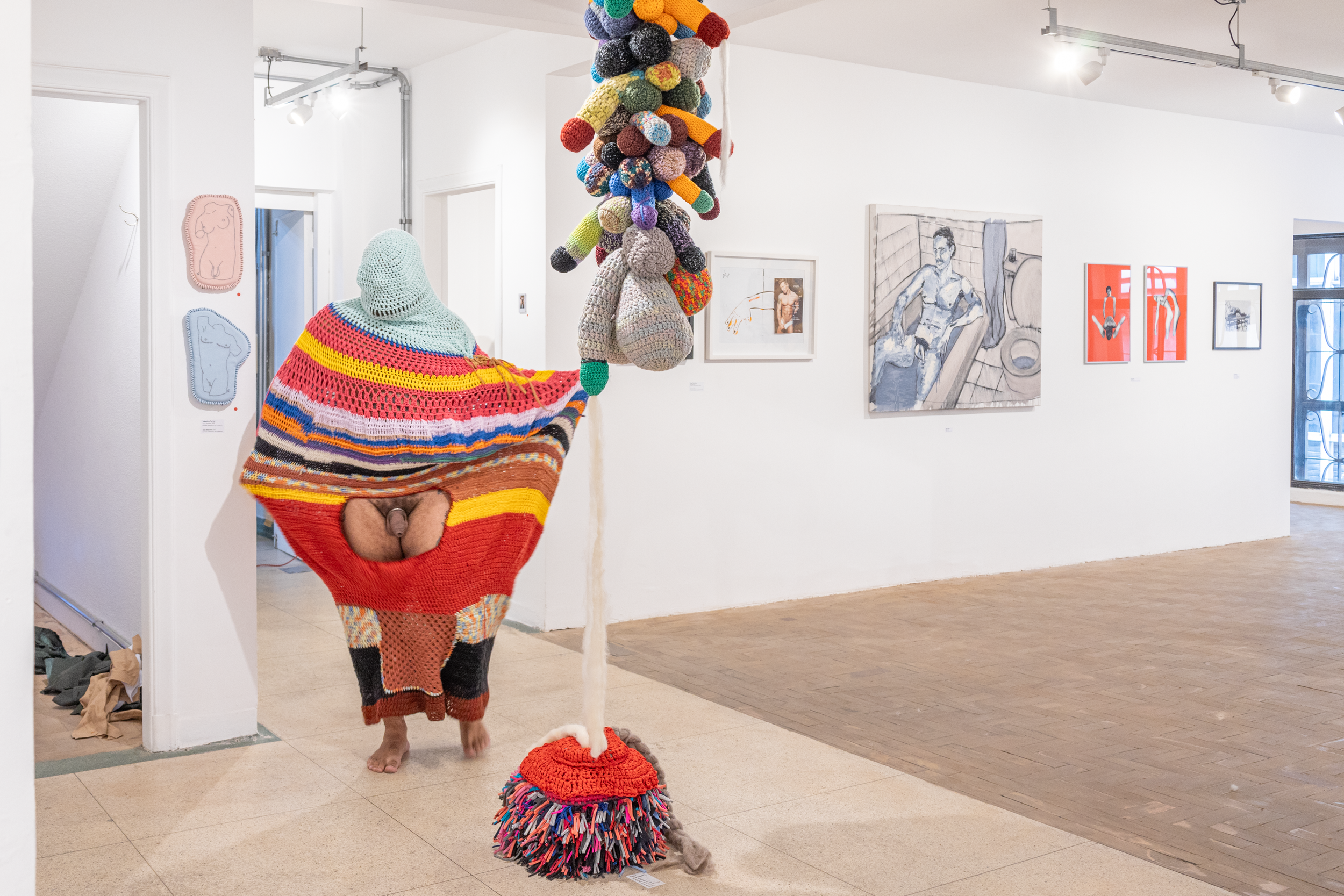
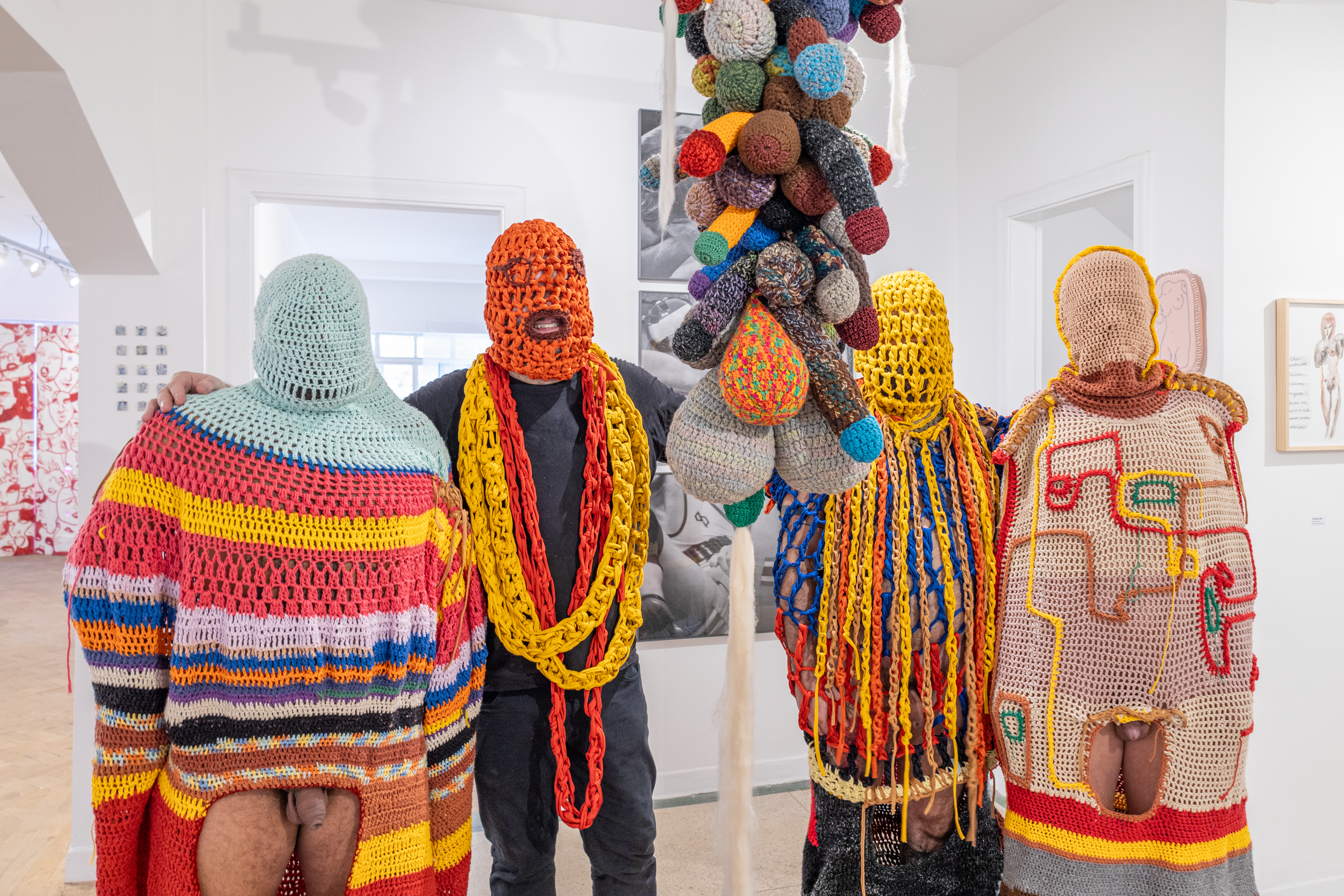
In line with this trend in contemporary art, the third edition of the Vórtice Festival, curated by artists Leonardo Maciel and Paulo Cibella, features the work of 100 Brazilian artists who explore the relationship between art and sex. All of these creators break through the wall of silence built by a hypocritical society and employ a libidinous grammar, seeking to fuse the body, sexual discourse, and gender issues in their artistic practices.
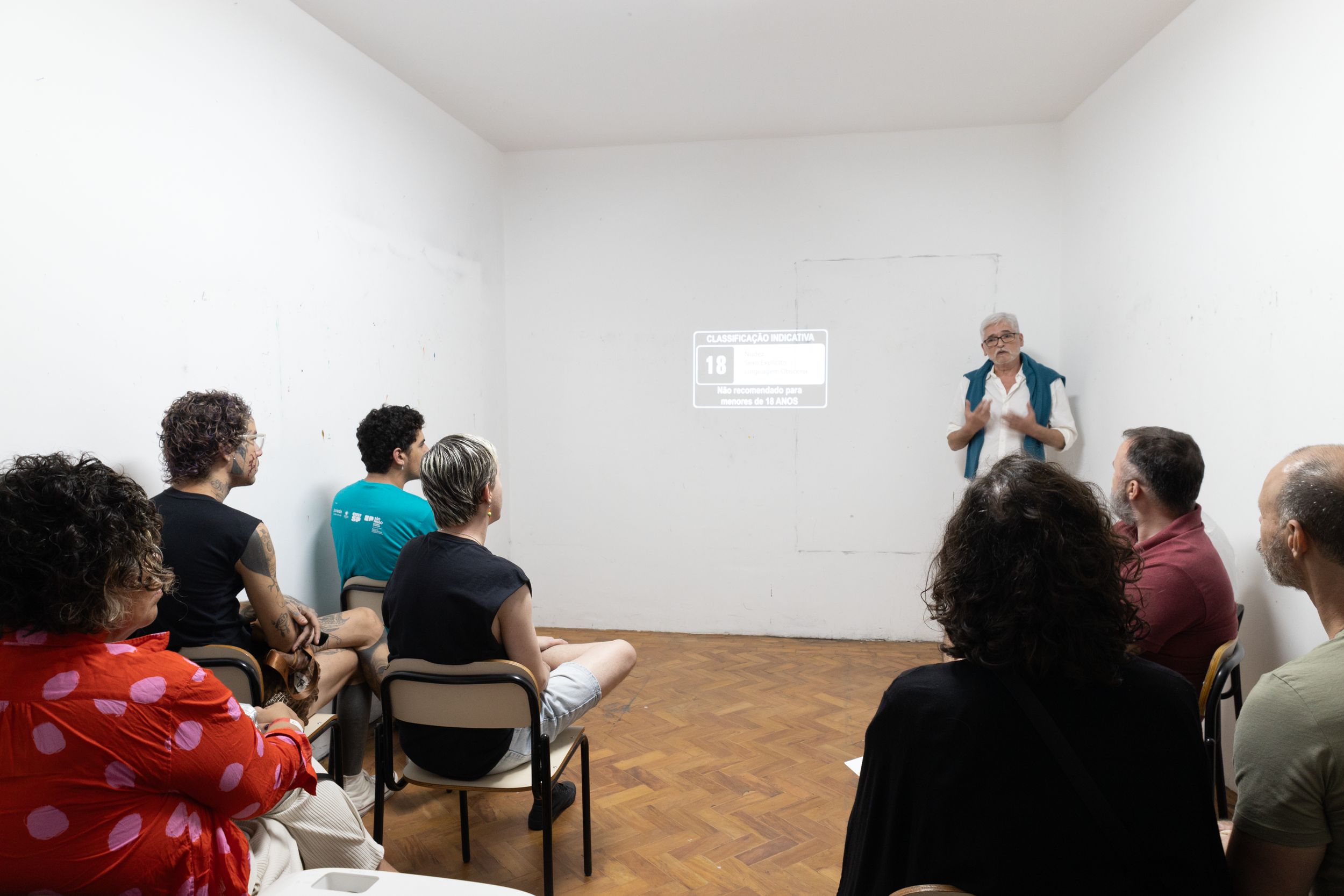
Alongside the exhibition and circulation, the Festival raises the debate in the artistic community: what are the limits of this production? Commonly, prudish critics try to fit these works between the erotic and the pornographic—and here, regarding pornography, there is strong resistance to the idea of its interaction with art.
The term pornography (from the Greek "pornôs" = prostitute and "graphô" = to write and record) refers to the pictorial genre that dealt with the representation of prostitutes. Intolerance towards pornographic works became more emphatic from the Renaissance onwards, in the 17th century, with the Protestant Reformation. The term erotic is derived from Eros (in Greco-Roman mythology, the god of love). The concept of "Eros" has also been used in philosophy and psychology in a broader sense, almost as the equivalent of "life energy."
Gradually, pornography came to refer to any representation of something "obscene," vulgar, or abject. At the same time, eroticism and erotic emerged as references to representations of the body in a lofty (or intellectual) sense. But why restrict artistic expressions to being erotic or pornographic? What values are at stake in this distinction? If contemporary art is against the obvious and escapes classification, it can be pornographic and erotic (or neither). In fact, it should speak to what it means to be human.
The process of in-depth discussion about the binomial art and sex, about pornography and, consequently, about the erotic and eroticism, indicates an important change in society, forced to review a history of censorship and silencing. The works exhibited here can be considered poetic representations of the body and sexual license that together orchestrate a vigorous critique of the status quo. Ultimately, art reveals sex as it is—something vital. And, therefore, dangerous.
ALECSANDRA MATIAS
PhD in Visual Arts (ECA-USP). Postdoctoral degree in Visual Arts (UNESP). Independent curator. Professor at CELACC (ECA-USP). Researcher at the Mario Schenberg Center for Documentation and Research in the Arts (ECA-USP). Specialist in Cooperation and University Extension at the Museum of Contemporary Art of the University of São Paulo (MAC-USP). Member of the International Association of Art Critics (AICA). Columnist for Jornal da USP, editor of Revista Arte & Crítica, and contributor to DasArtes. Author of the books Schenberg: Crítica e Criação (EDUSP, 2011) and Memória da Resistência (MCSP, 2022).
See São Paulo, 2024, year 42, no. 22, pp. 22–23.
ARTISTS
✶
ARTISTS ✶

ABNER SIGEMI

ADRIANA BRAGOTTO

ALBERTO BONI

Alex Flemming

Alexis Lopes

ALLIS BEZERRA

Anderson Moraes

ANDRÉ BRUNHARO

ANDRÉ MOREIRA

Barbara Pellegrini
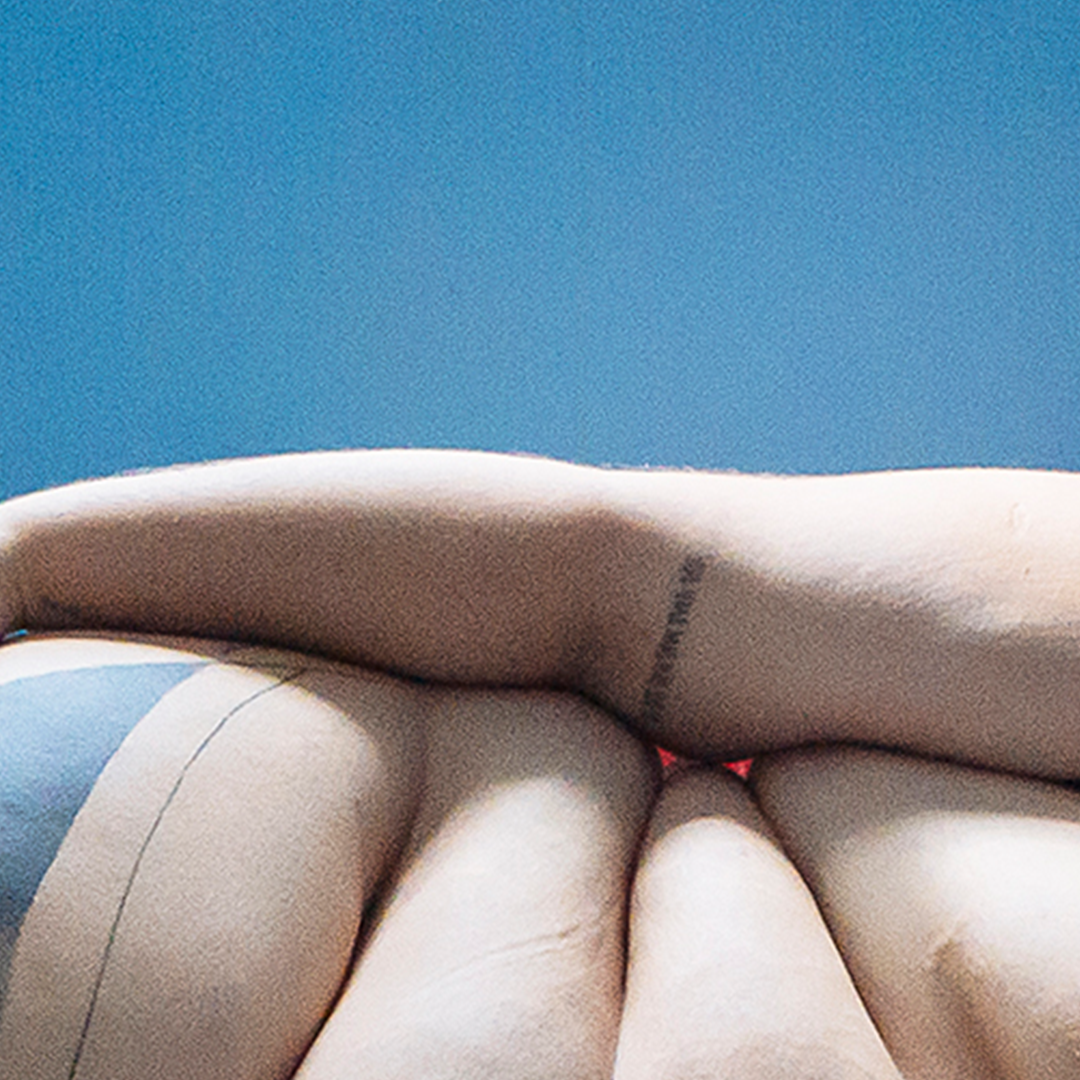
Bella Tozini

BRÓLIN TIME

Bruno Corder

Bruno Romi

CACO NEVES

CAIO BORGES

CAIO CAIN

CAMILA ALBUQUERQUE

CARNEVIVA

CAUÊ XOPÔ

CELIA REGINA

CELSO FILHO

Cesar Benatti

CHARLLES CUNHA
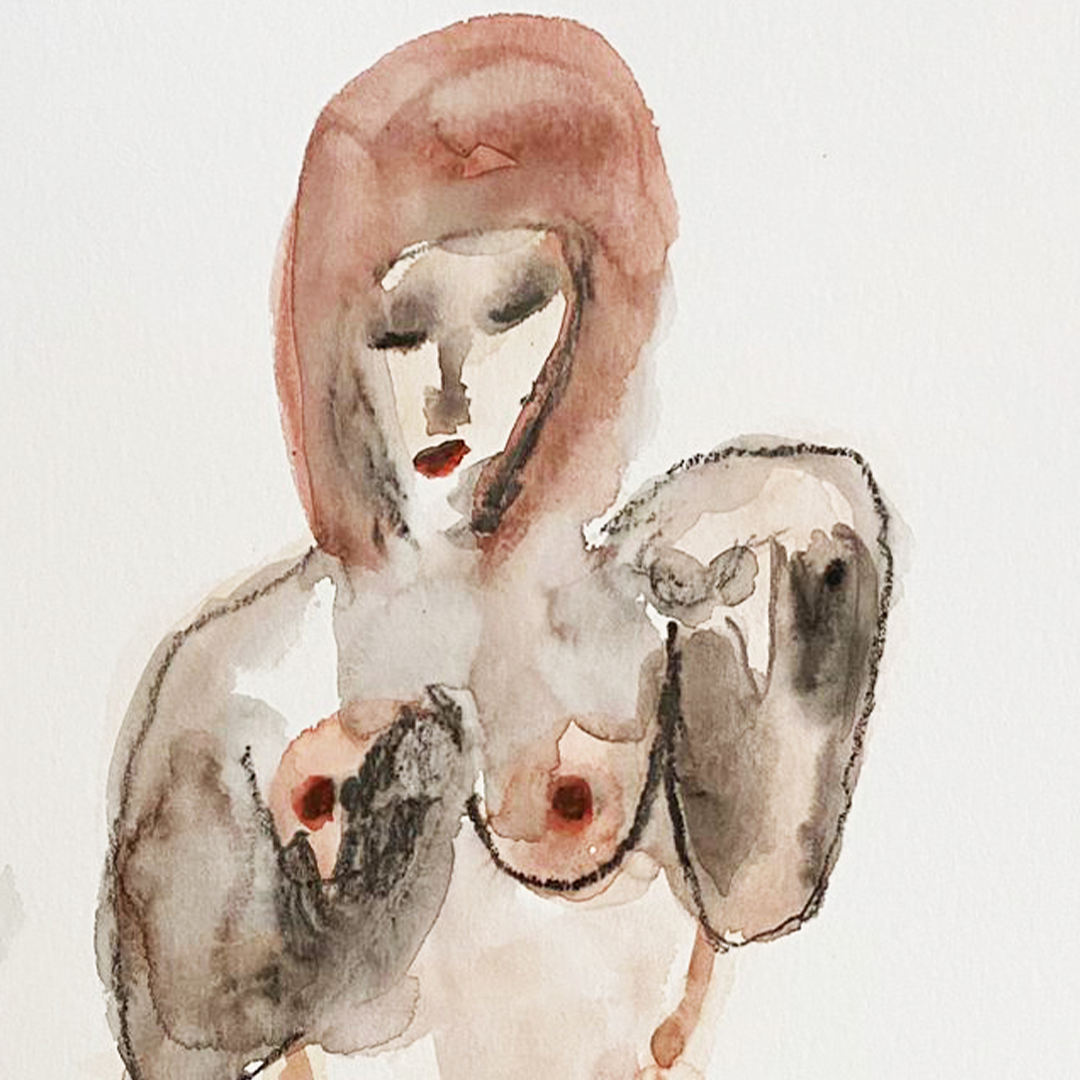
Cynthia Loeb

DANIEL JAEN

DAN TAMAYO

DARCY HAIRSTYLE

DODS MARTINELLI
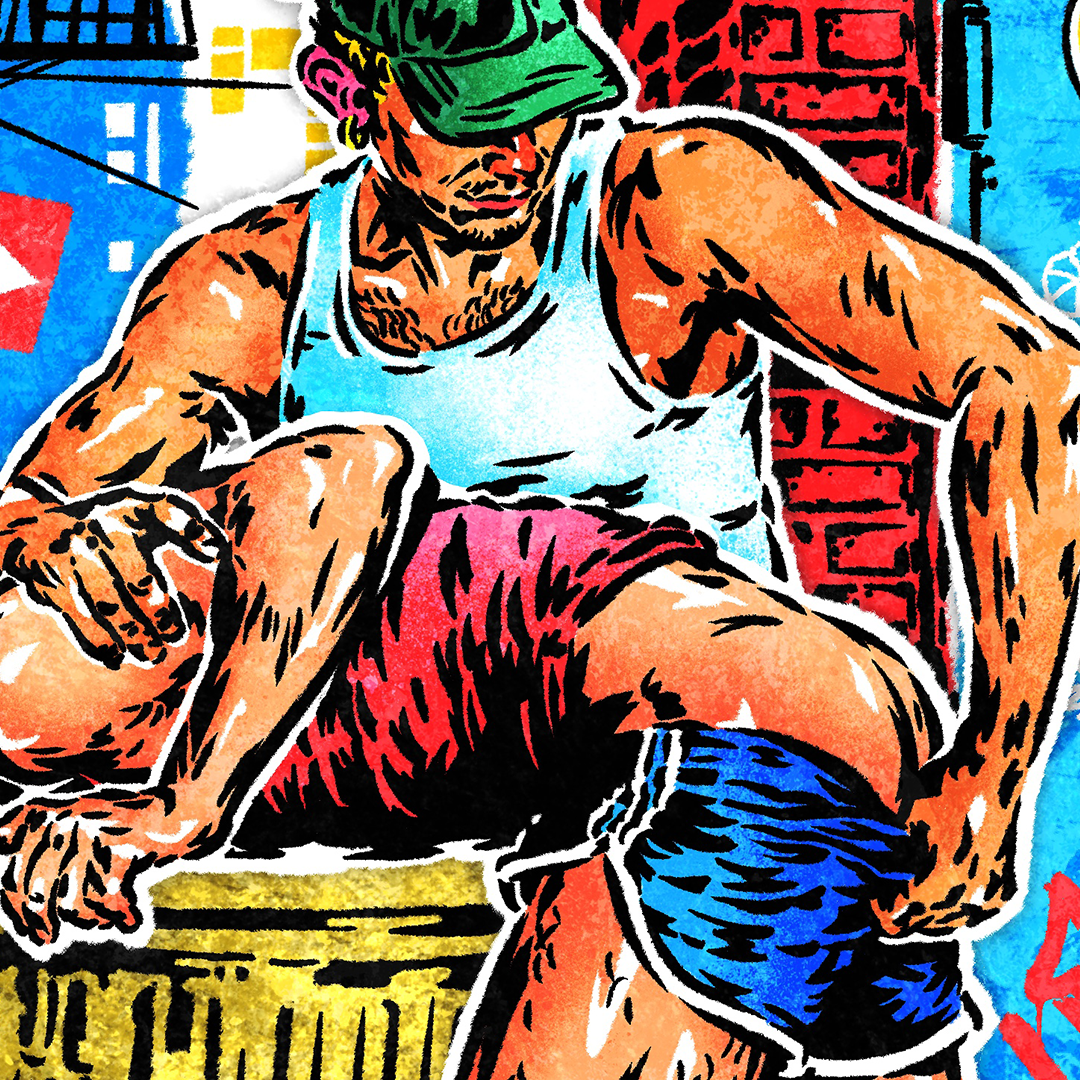
DREI

EDMAR OSTI

EDU DEVENS

Elcio Miazaki

Elmo Martins

Érika Miglioli

I SPEAK ZINE

FELIPE BASA

FLOPES

Gabriel Katsuhiro

Gabriel Pessoto

Gabriel Victal

GIBA GOMES

GLAU GLAU

GUARDROOM

GUILHERME BROLLO

Helder Amorim

HENRIQUE REIS

HERNANI GUIMARÃES

HUDINILSON JR.
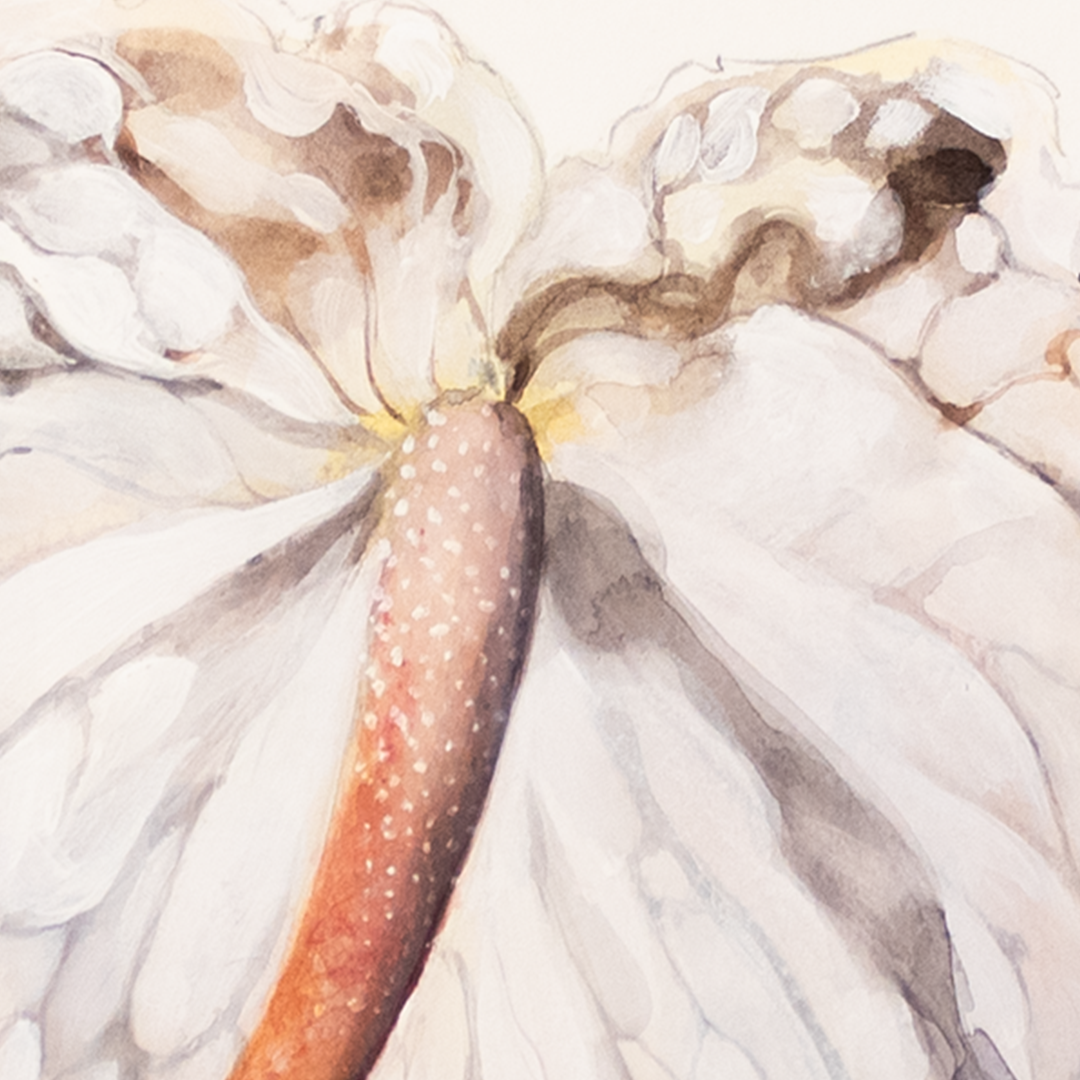
JOÃO BOTAS

JOÃO GUILHERME PARISI

JOHN PAUL

JU BENTES

LEANDERSSON

LEANDRO TUPAN

LEONARDO MACIEL

LETÍCIA CHAMONE

LUCAS ELIAS

Lucas Flygare

LUCIANO TREVIZAN

LUFE STEFFEN

LUIS GUSTAVO GUIMARÃES

LUIS TEIXEIRA MENDES

LUIZ SISINNO

LUMAC

LUZE PRINTS & ØRIUNDO

MOREUMAMARIANA

MANUELA ULLUP

MARCELO REIDER

MARCOS AKASAKI

MARCOS ROSSETTON

MARLON THOR

NOAH RUIZ

NUTOPIA

OLIRA

OMAR KHOURI

PAULO CIBELLA

PAULO JORGE GONÇALVES

PAULO MATTOS

PETER DE BRITO

PHILIPP ANCHIETA

RAFAEL BUDNI

RAFAEL CHAGAS

RAFAEL DAMBROS

REDFORT

MOSCA MAGAZINE

Richard Calhabeu

ROD RAS

RODRIGO JESUS

RODRIGO KUPFER

RODRIGO PINHEIRO

SANDRA BECKER

THE HOLY ENEMY OF EVIL

SÉRGIO ADRIANO H

Simone Fontana Reis

SUYAN DE MATTOS

Tarcisio Benevides

Tolentino Ferraz

TUCA SODRÉ

WILLY CALDAS
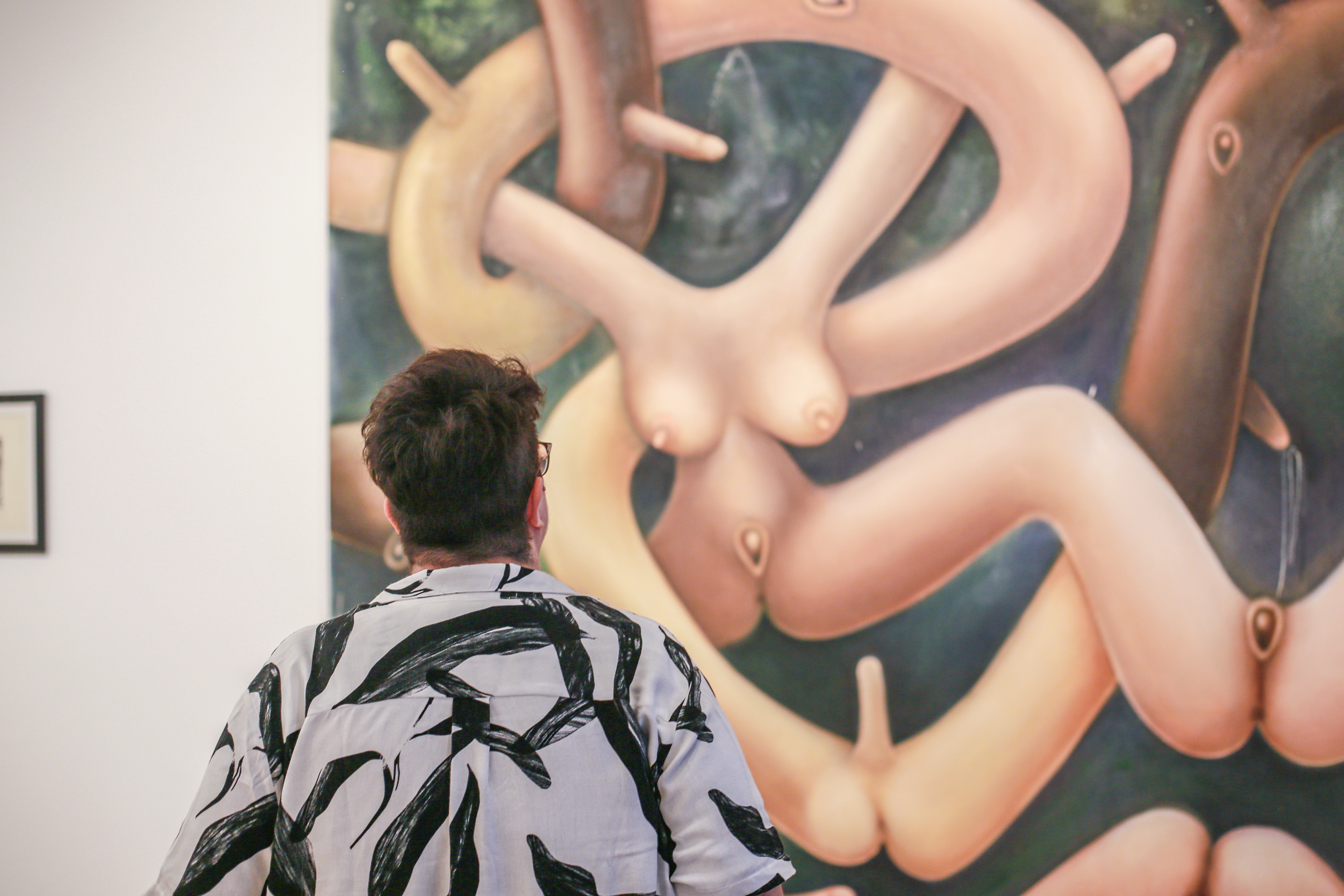

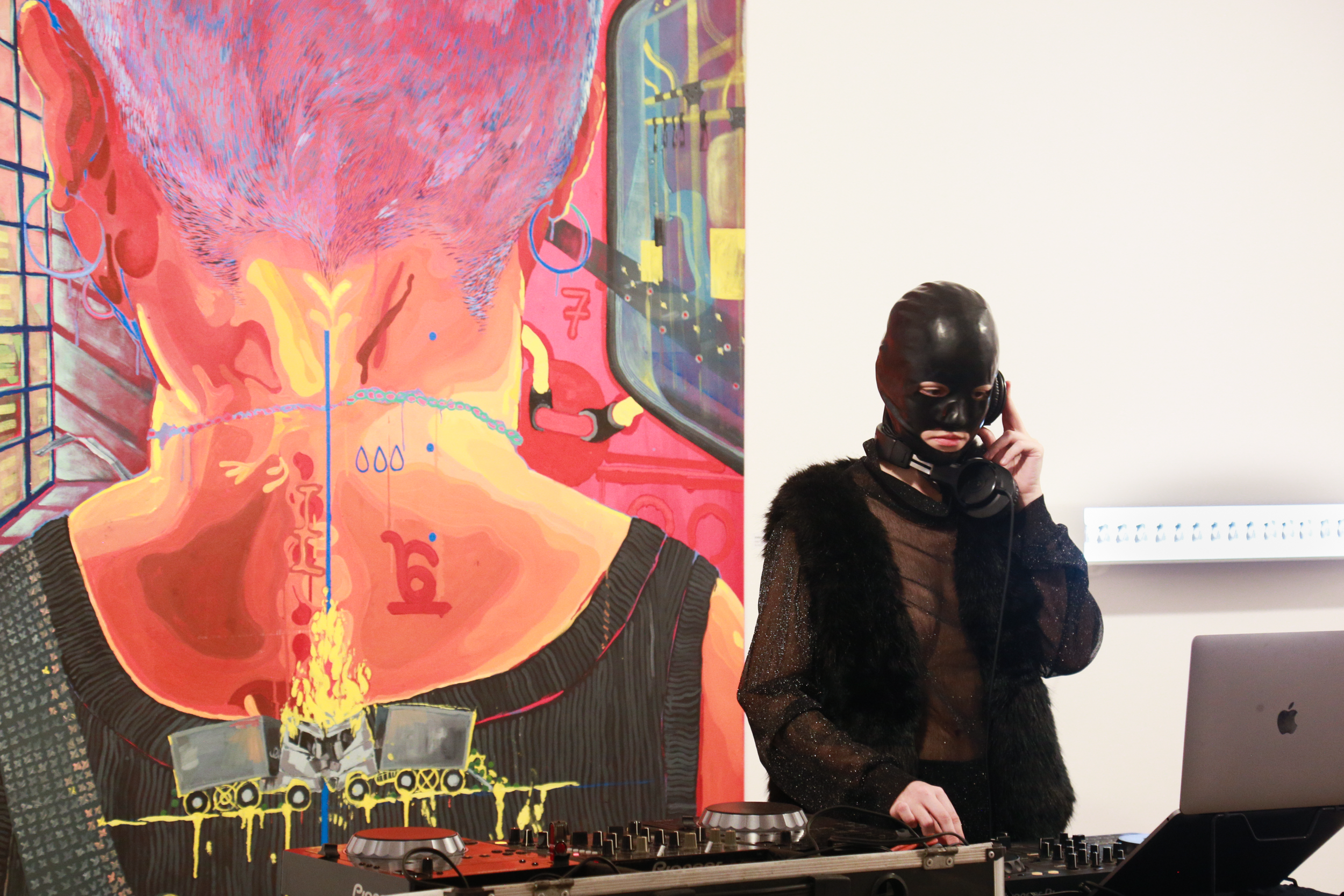
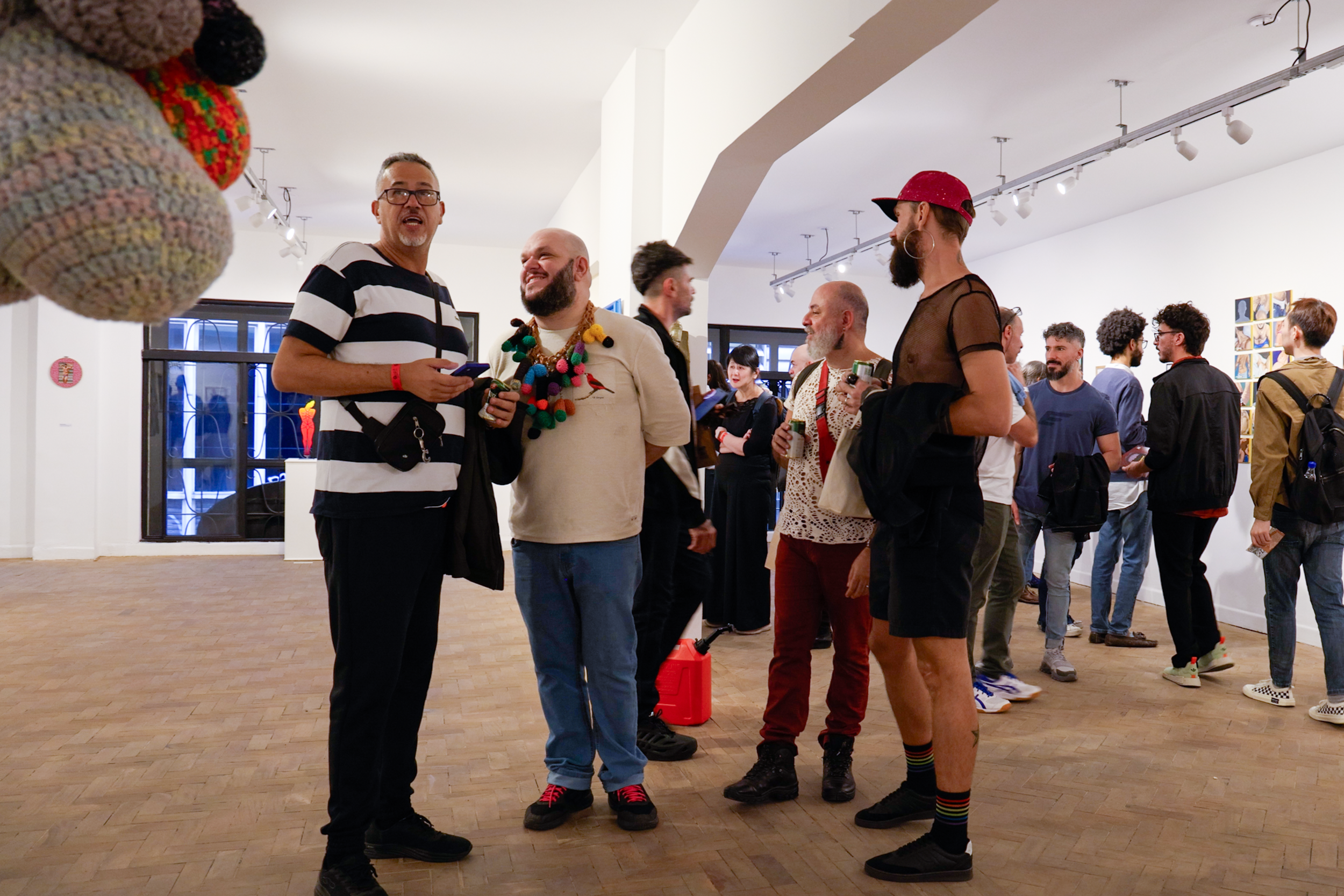
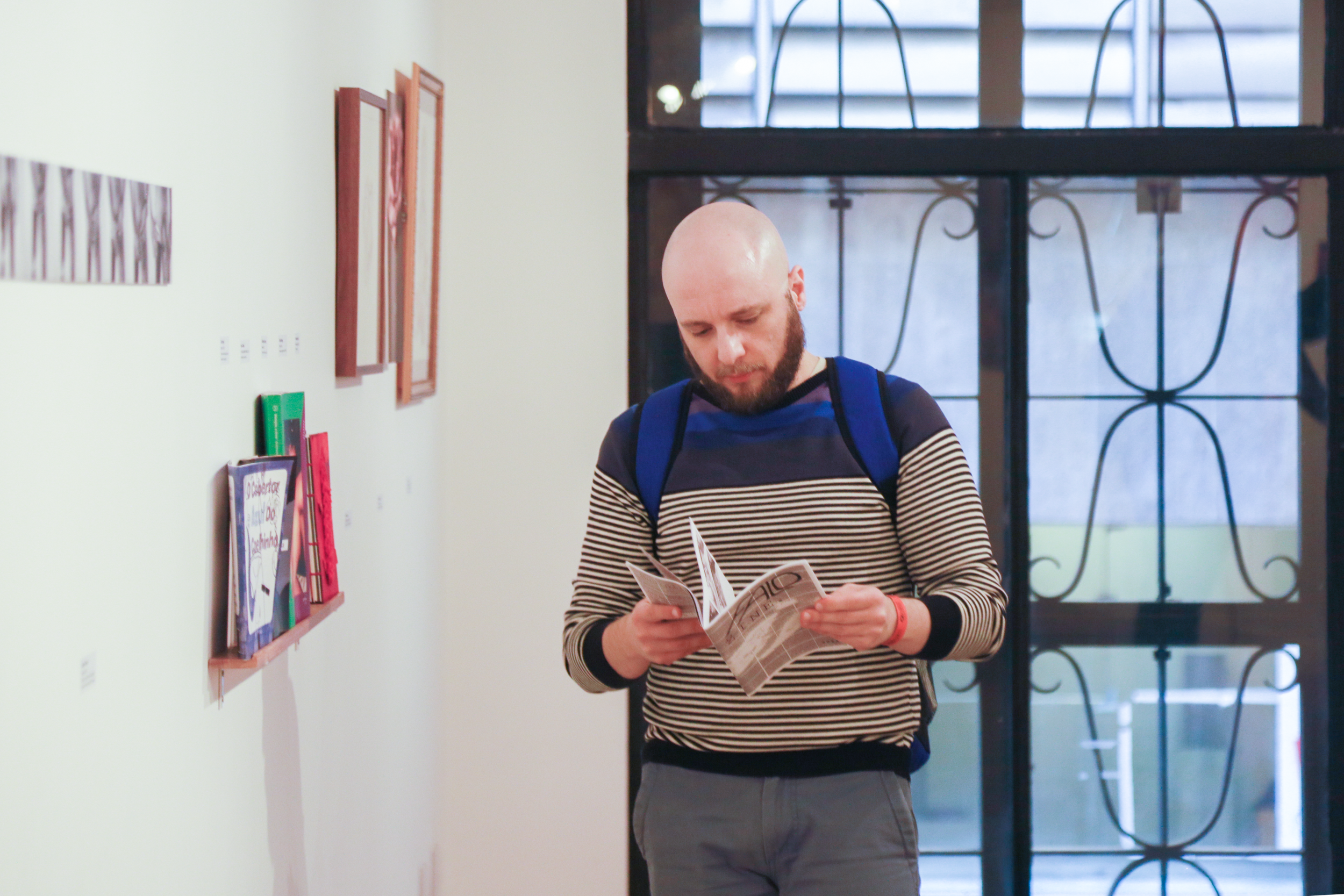



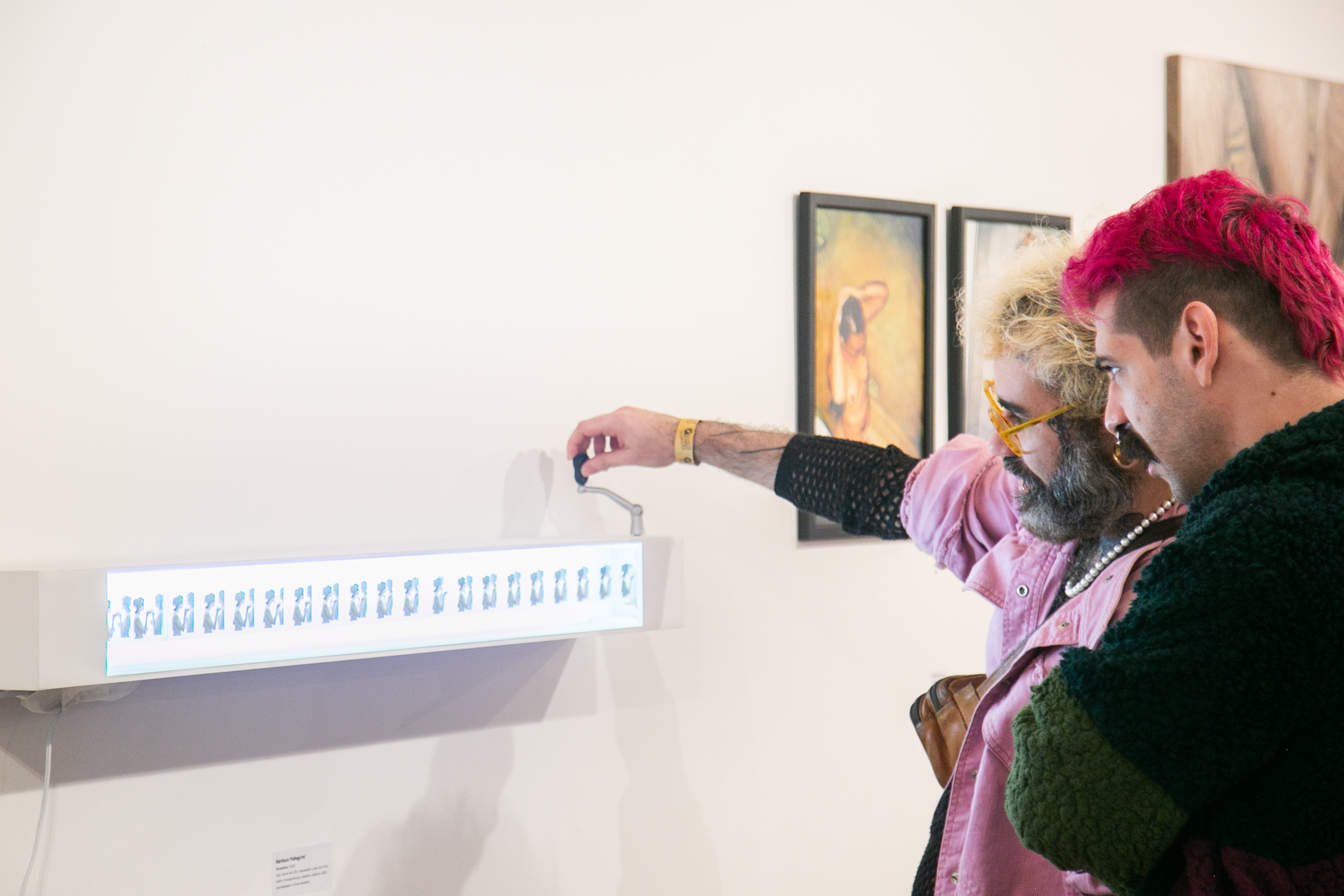

















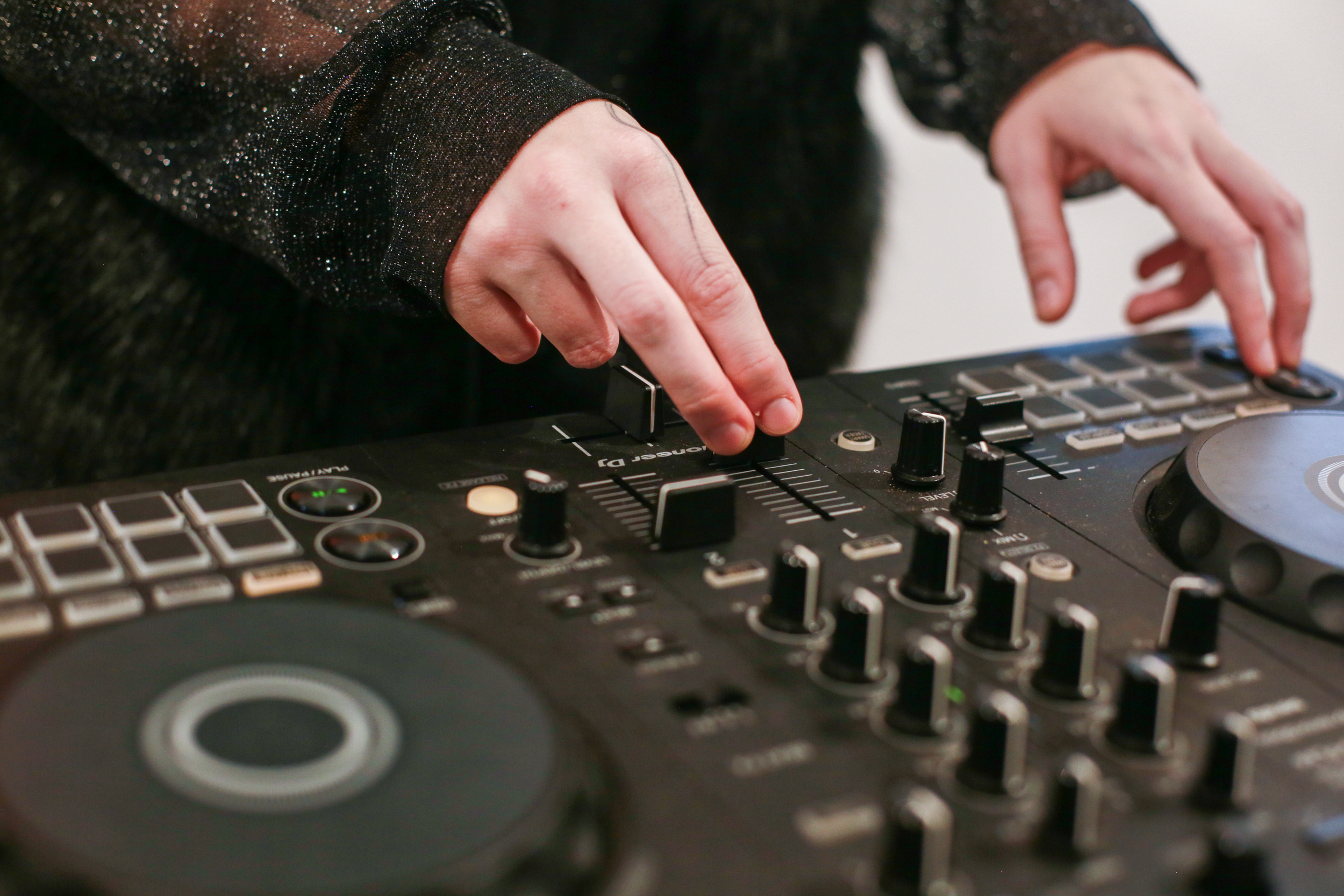


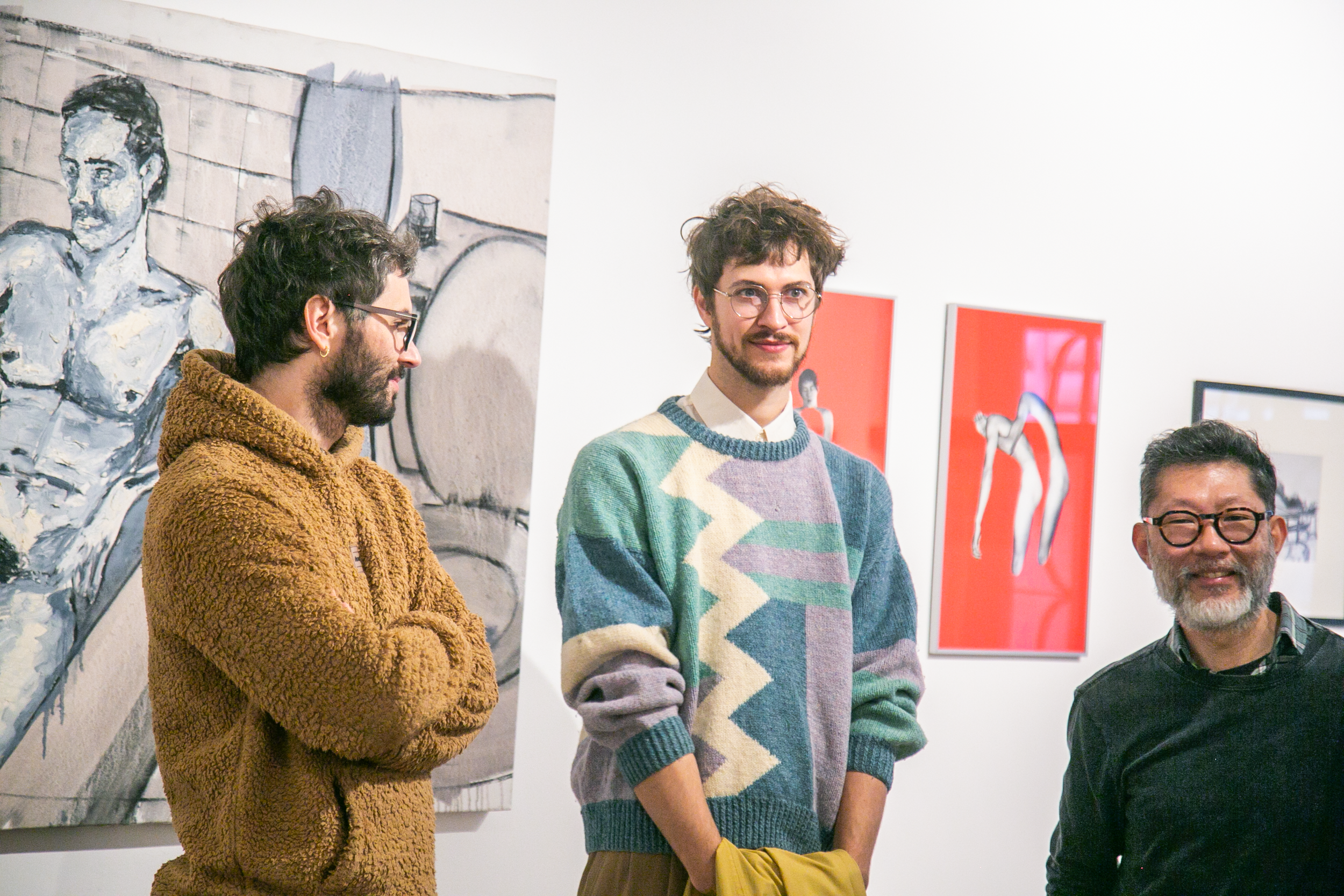
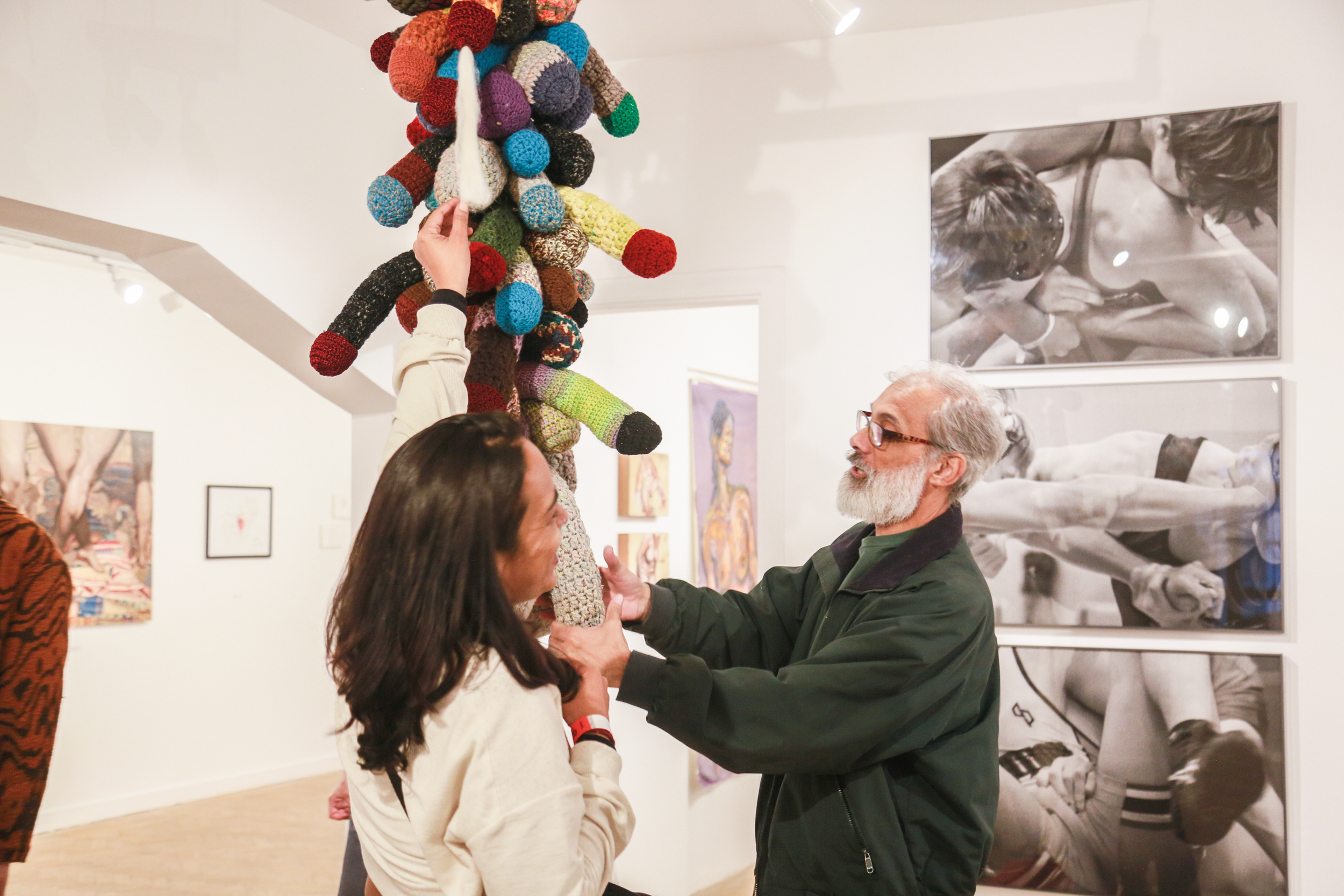
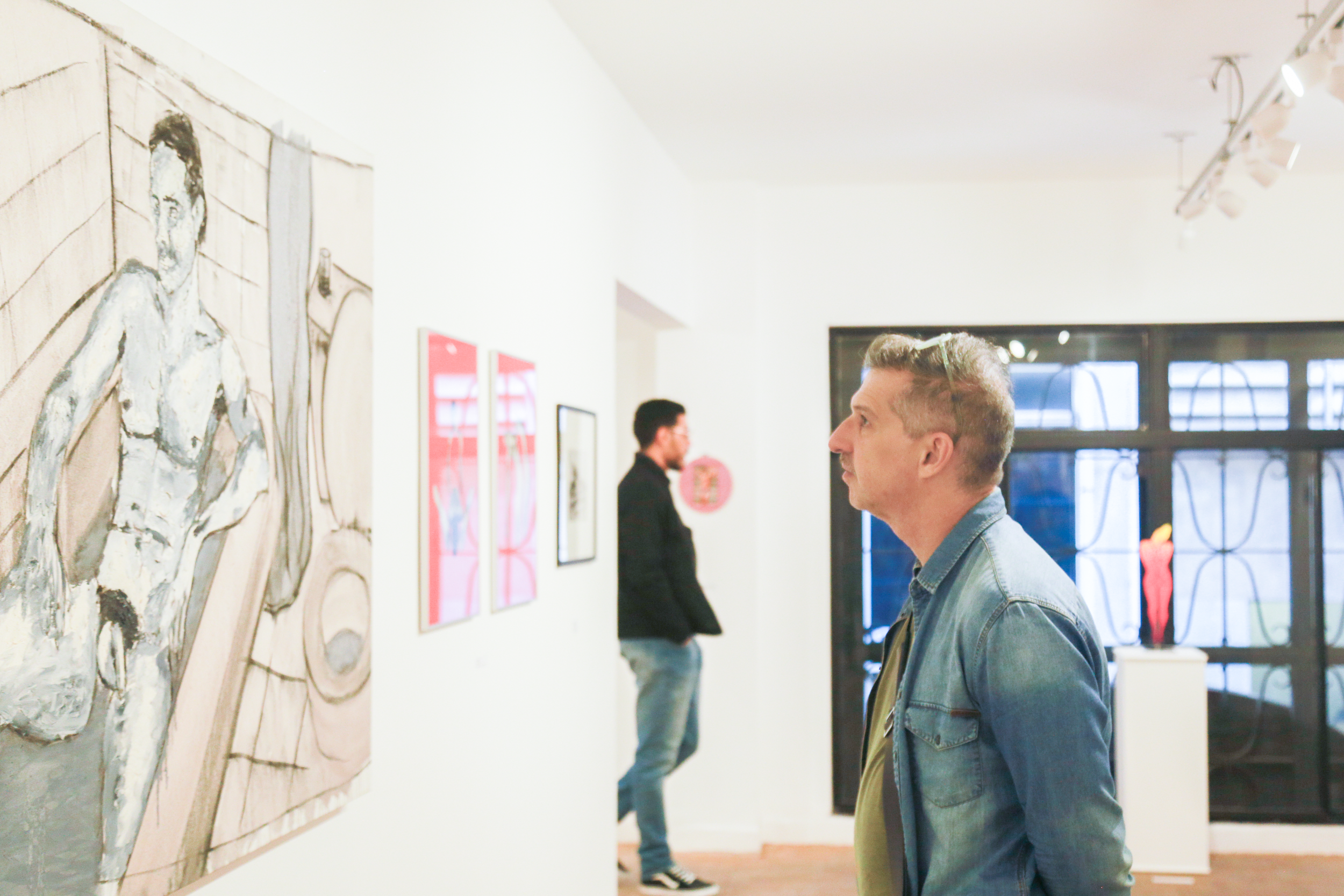
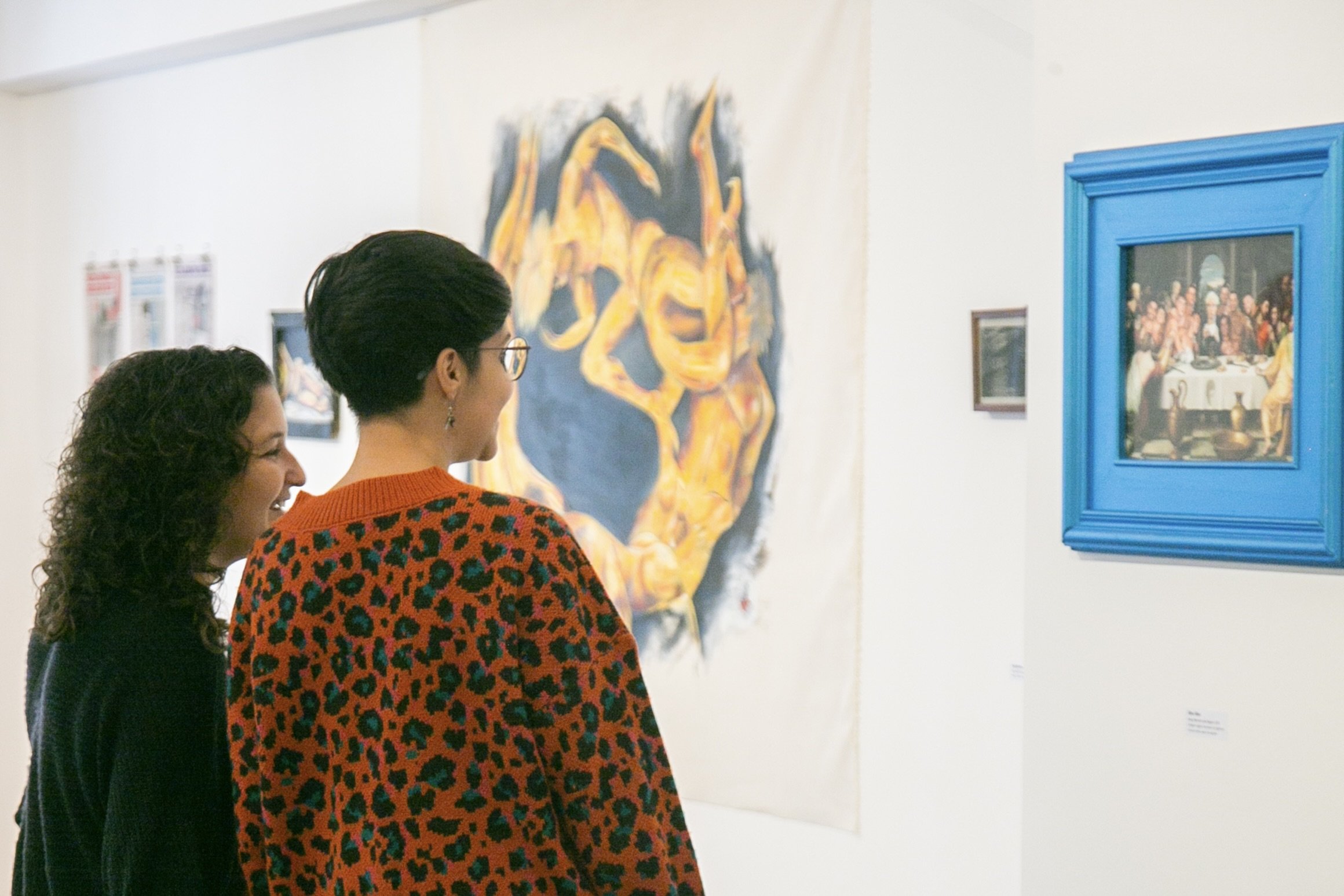








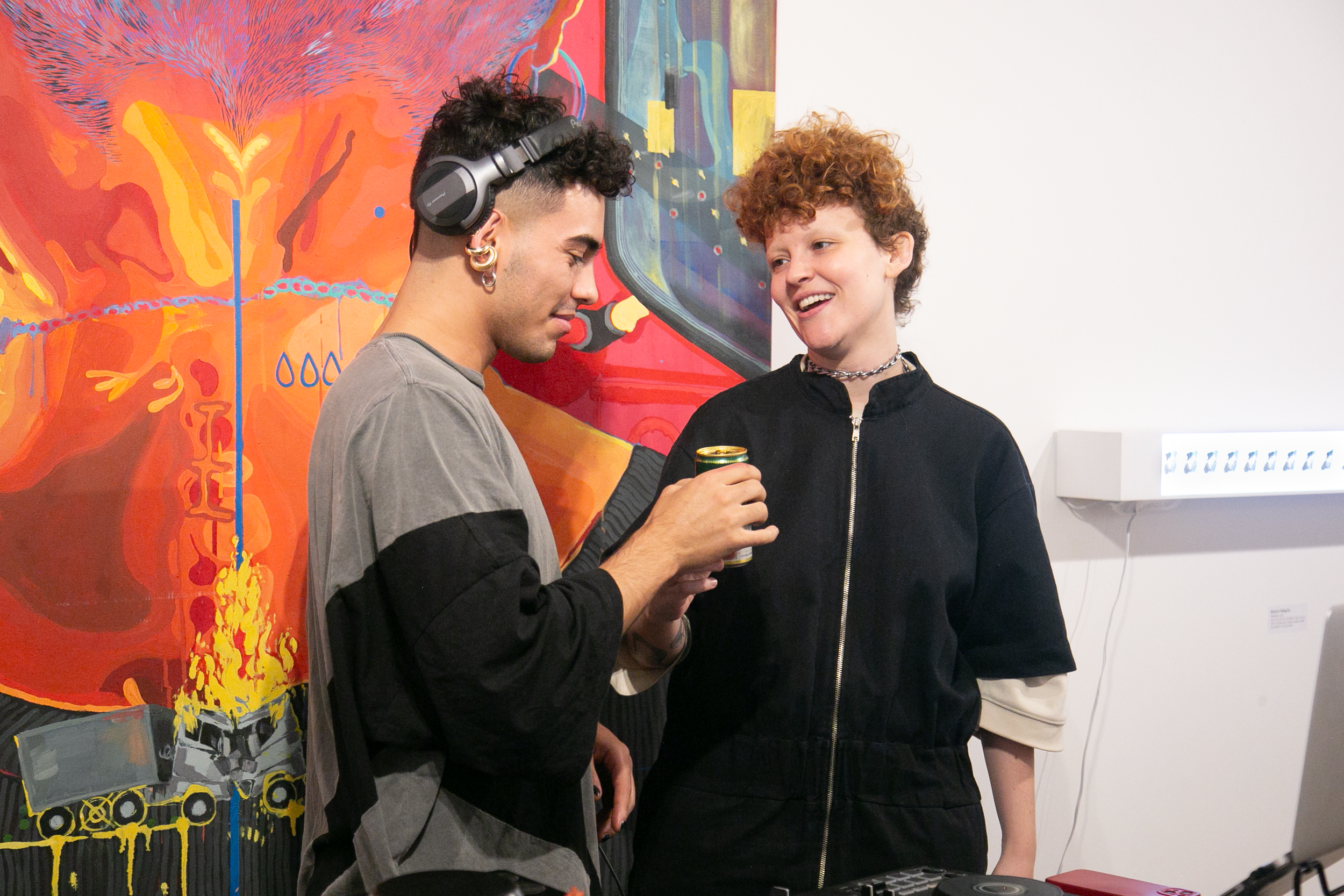

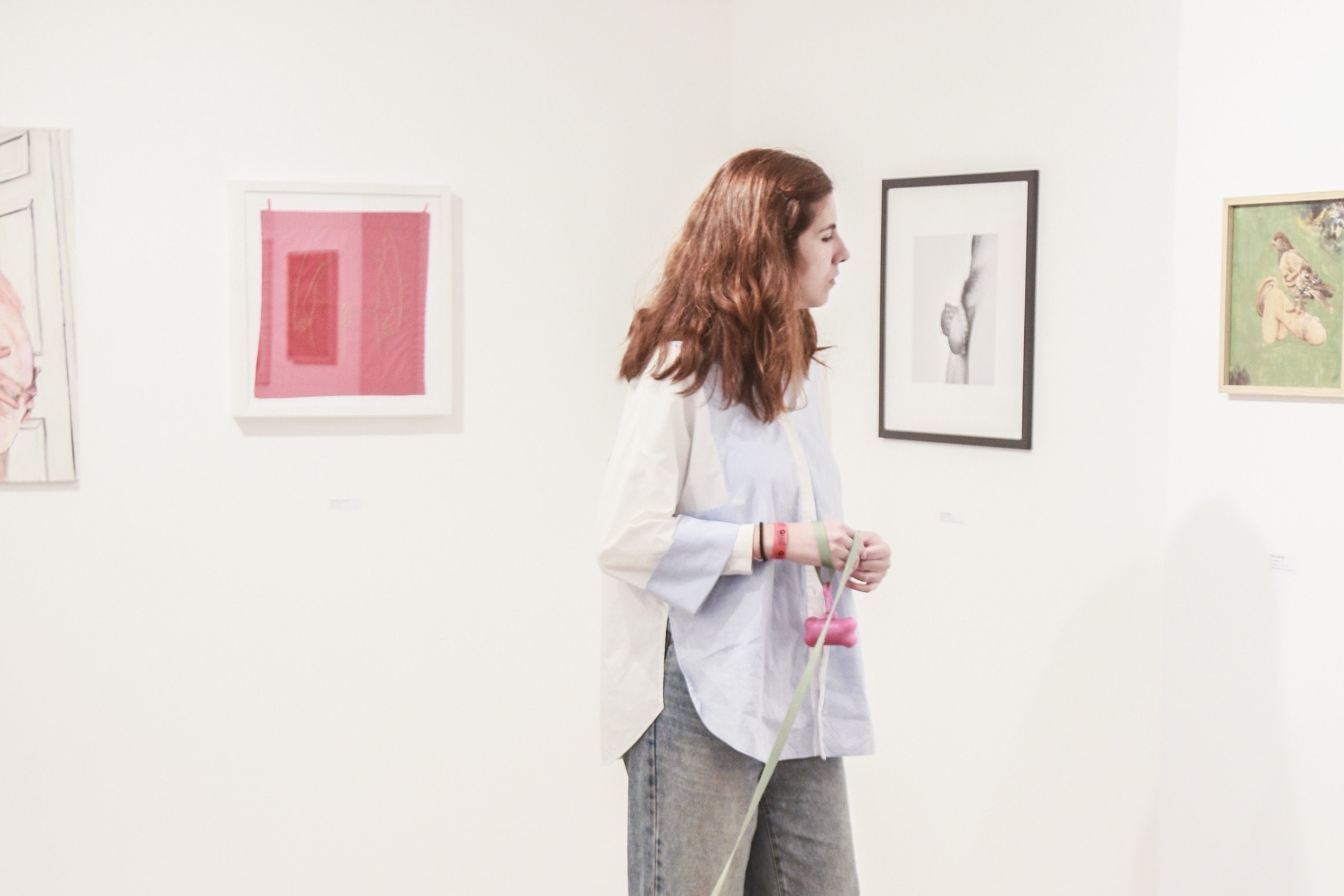


























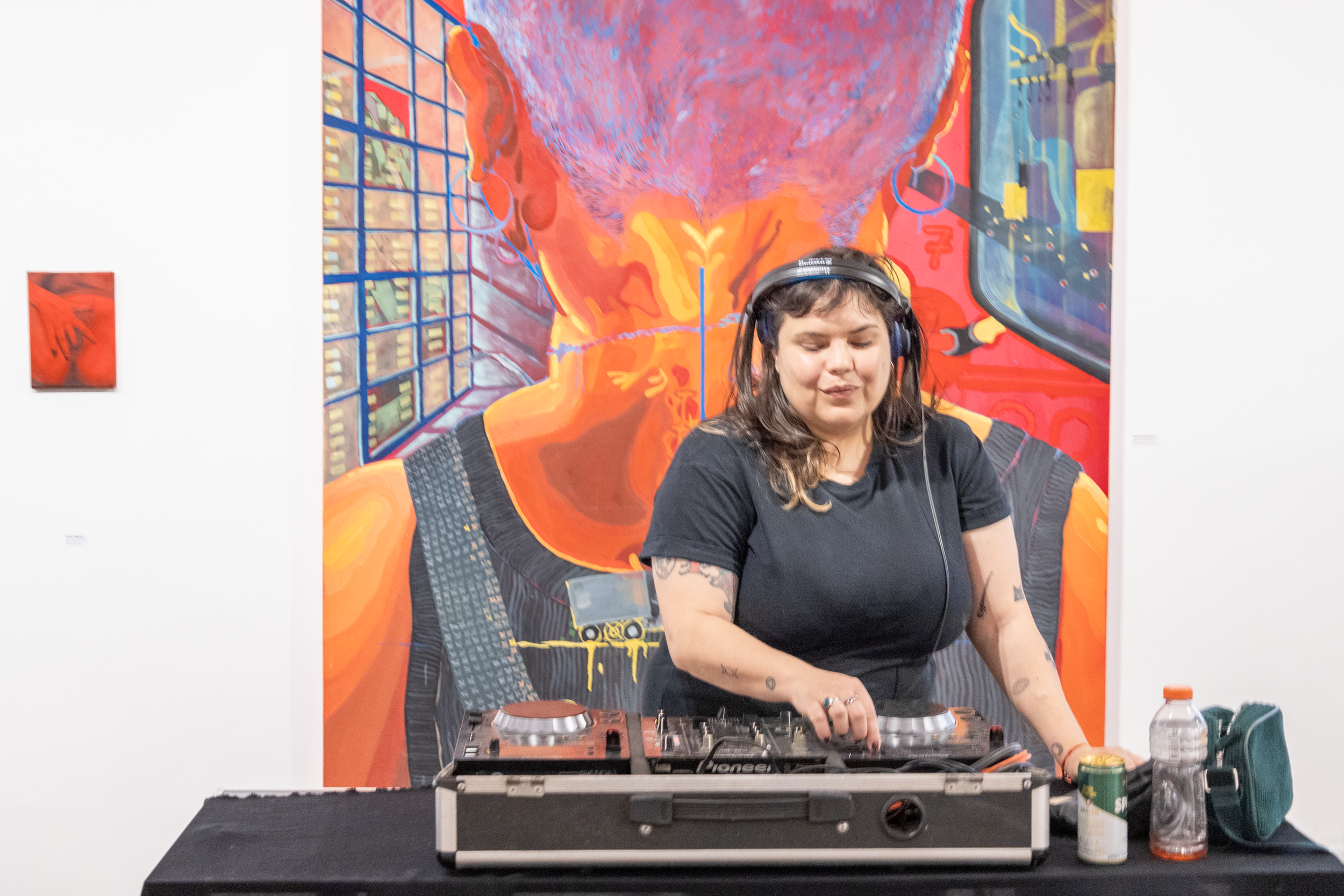


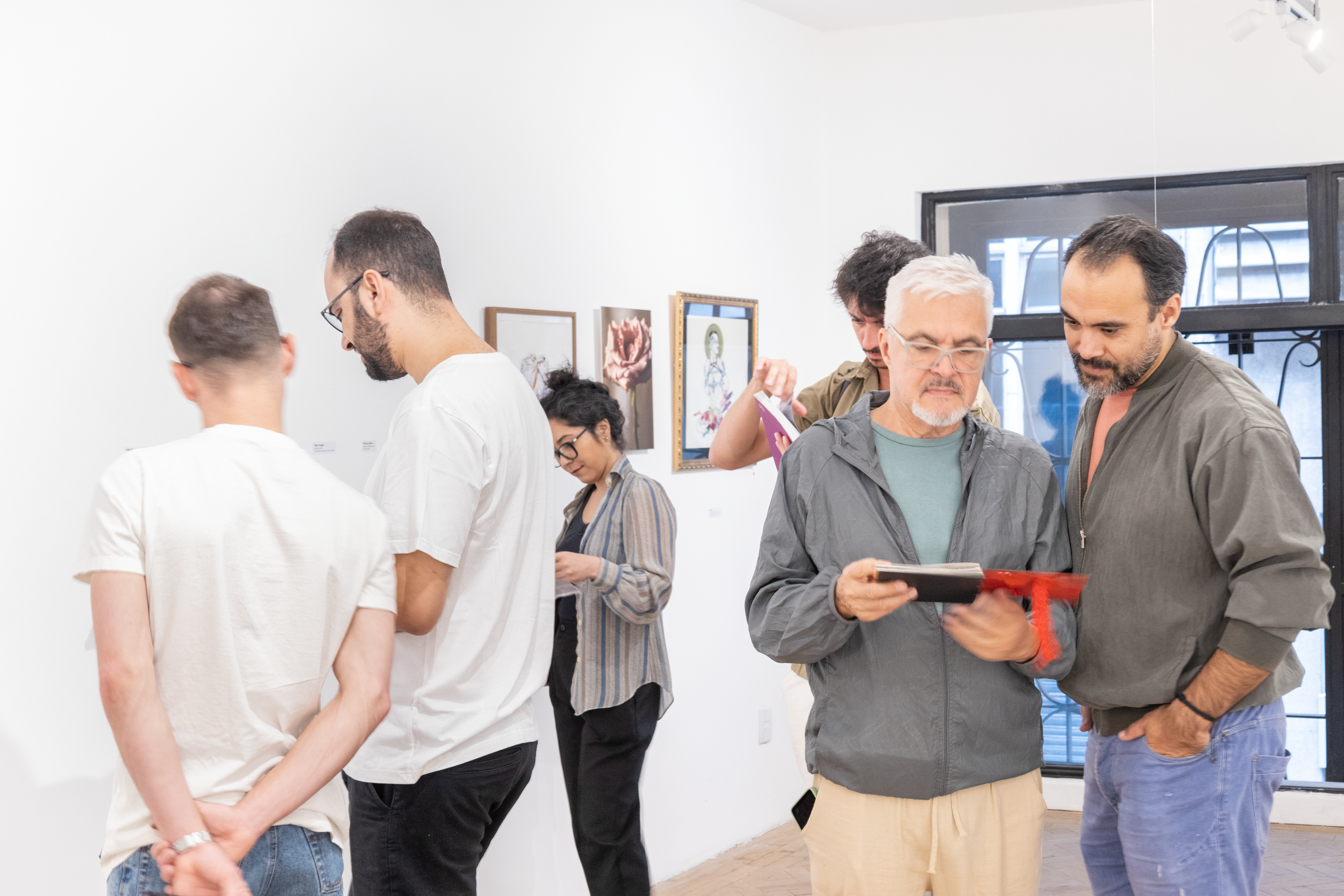
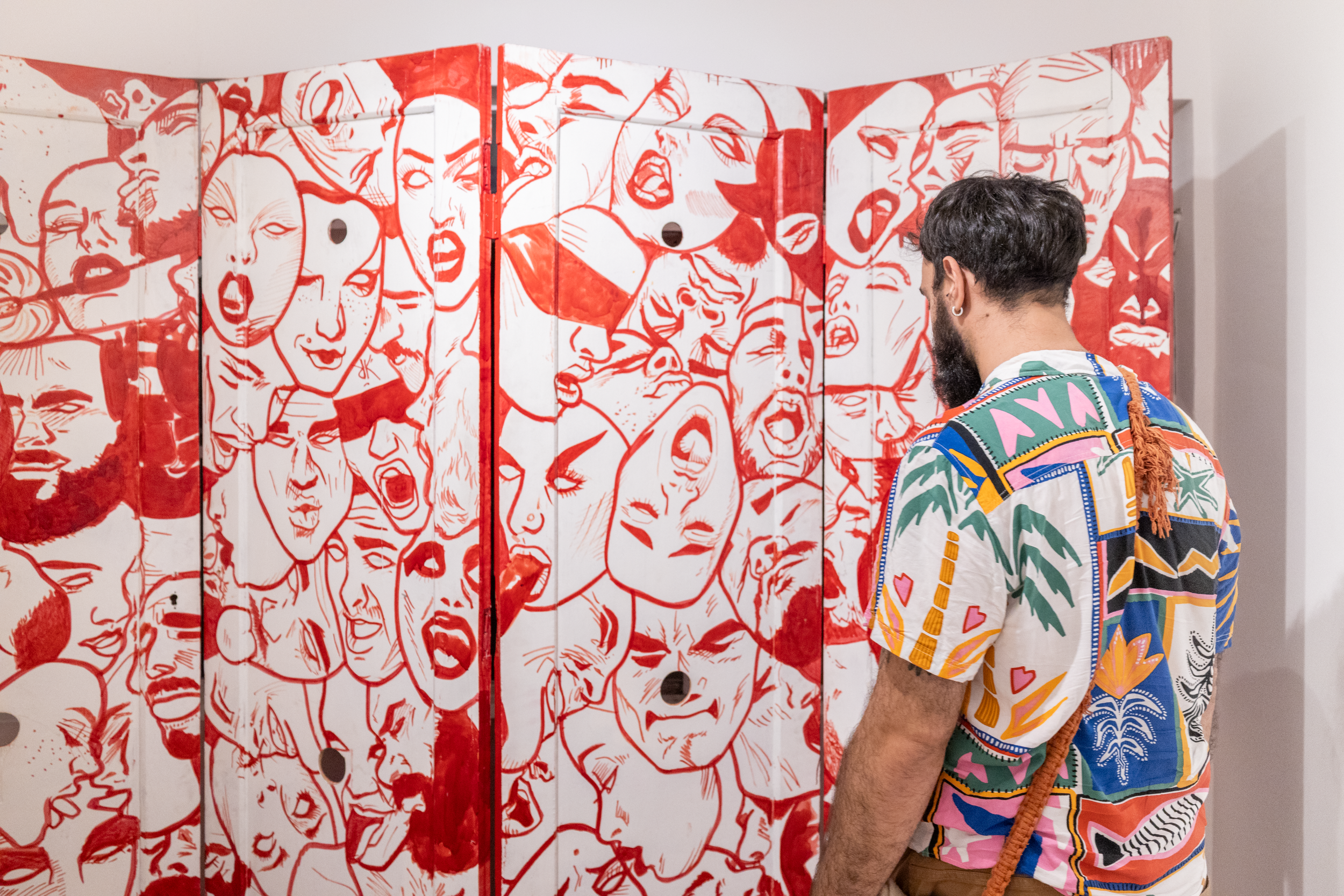
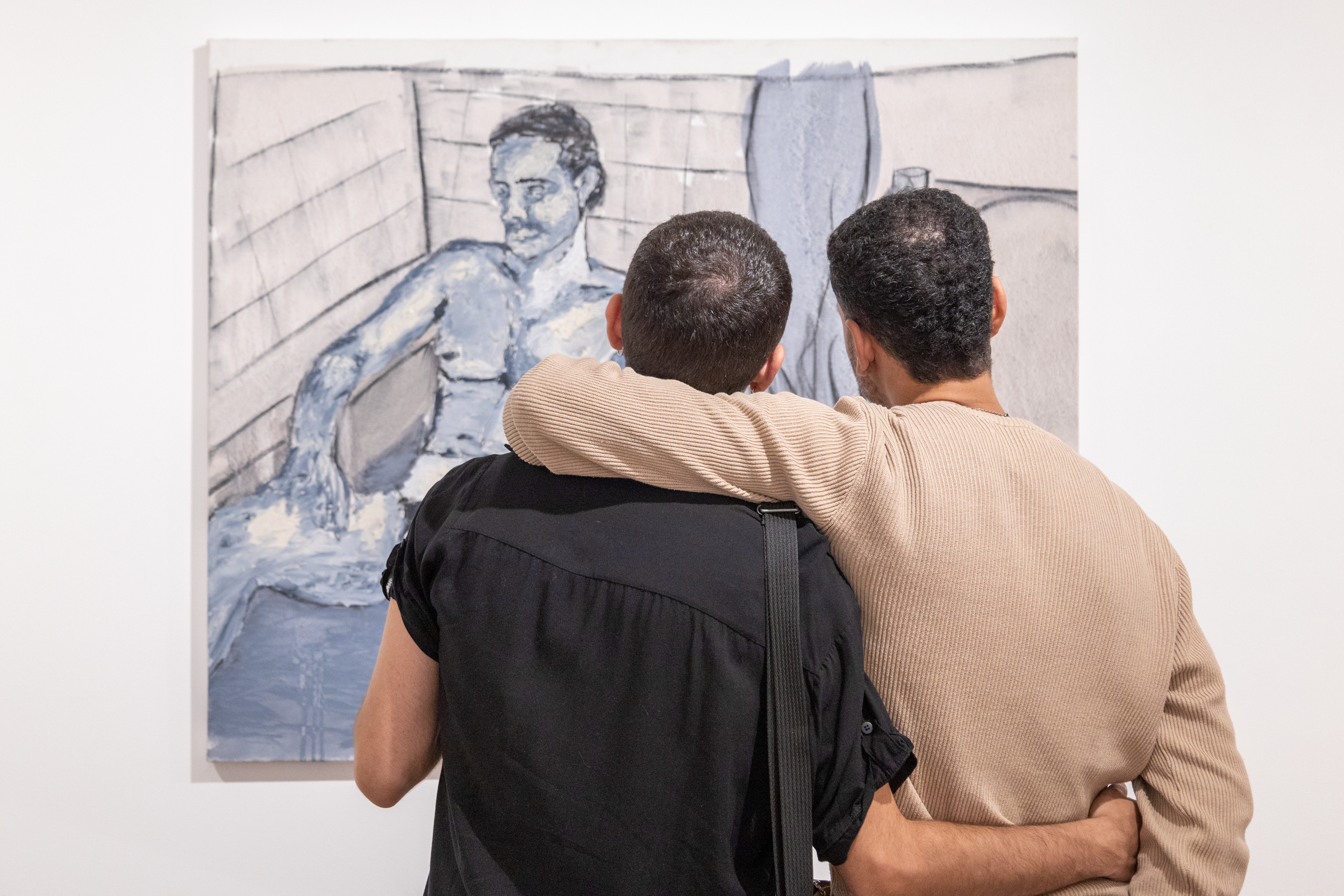













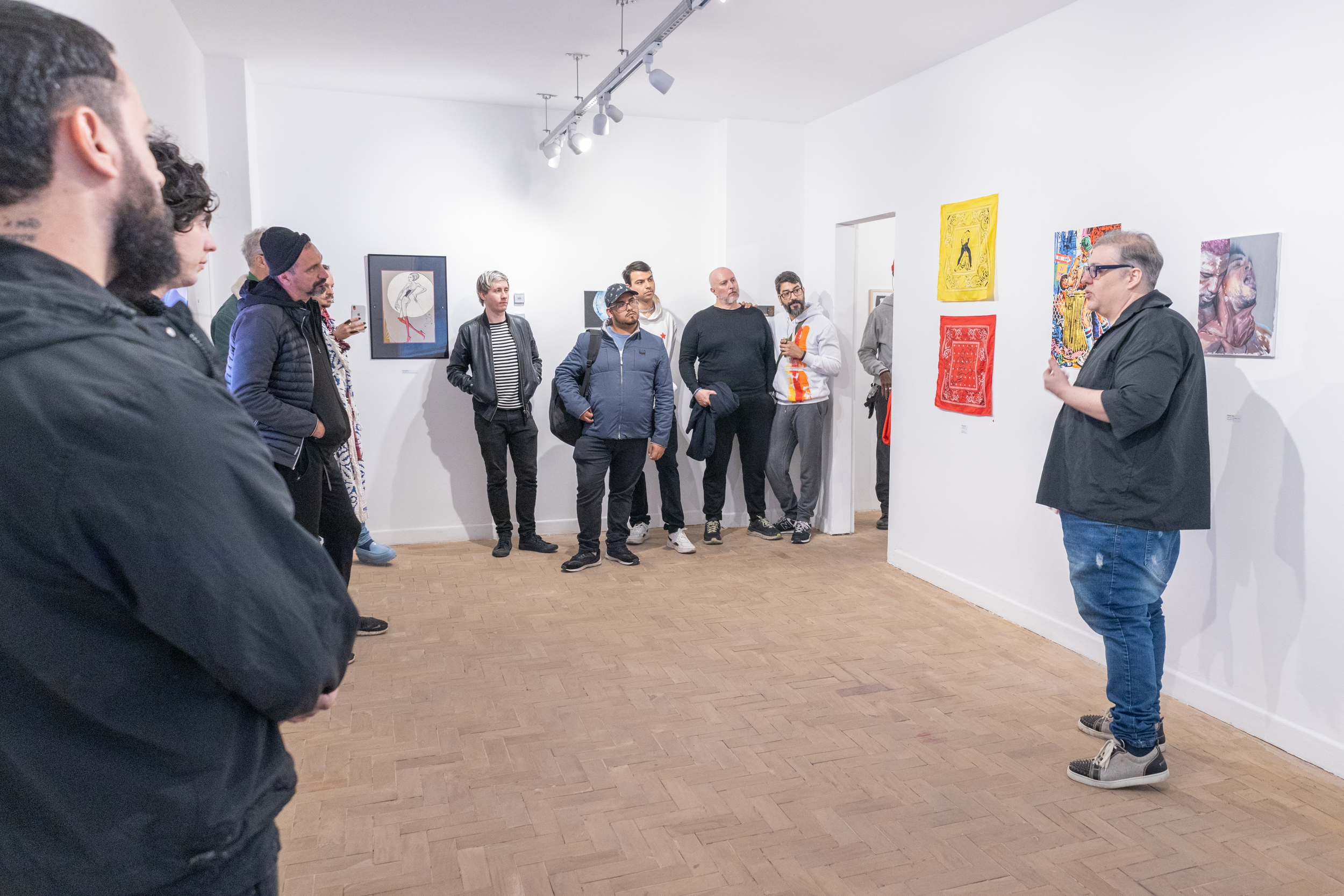


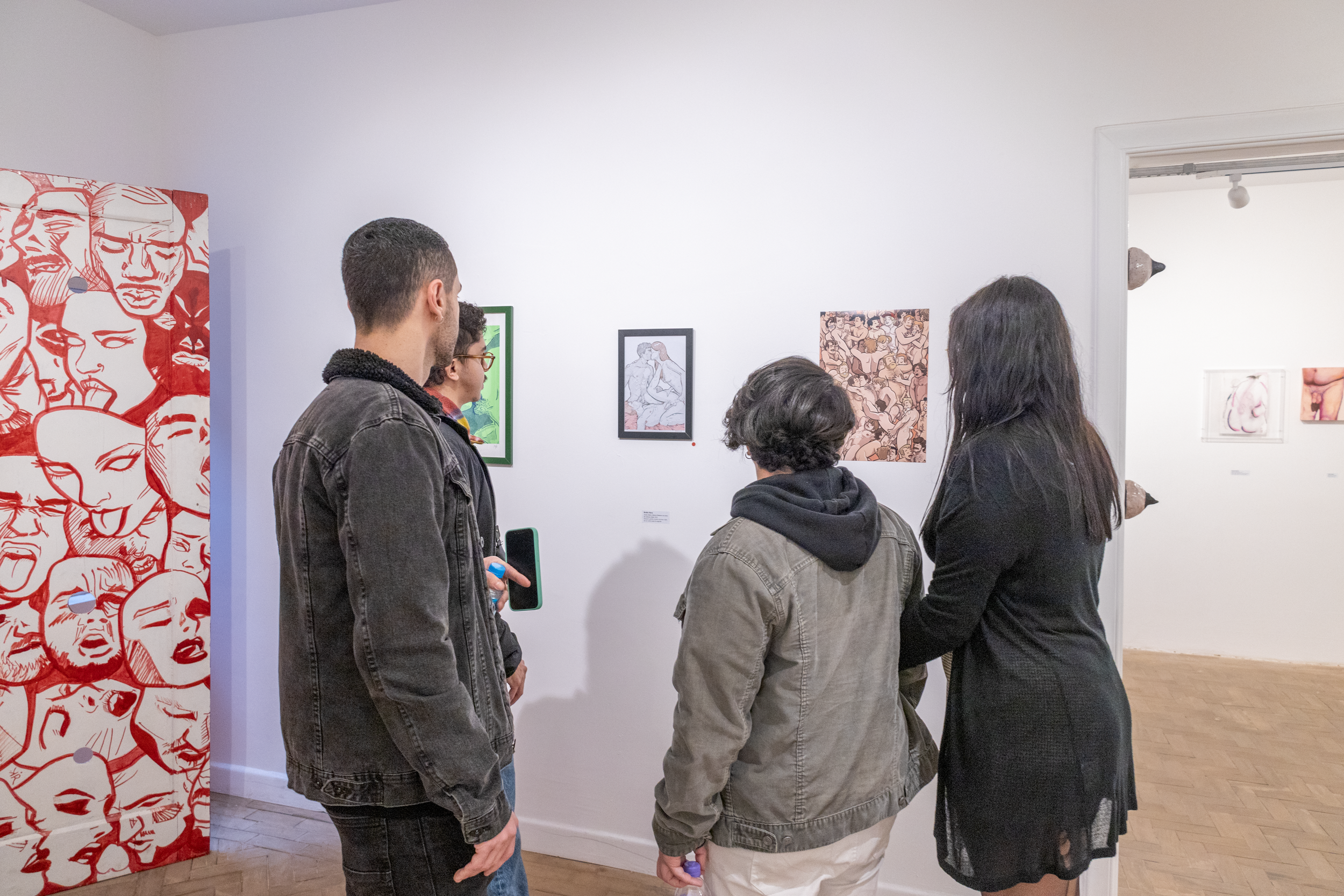

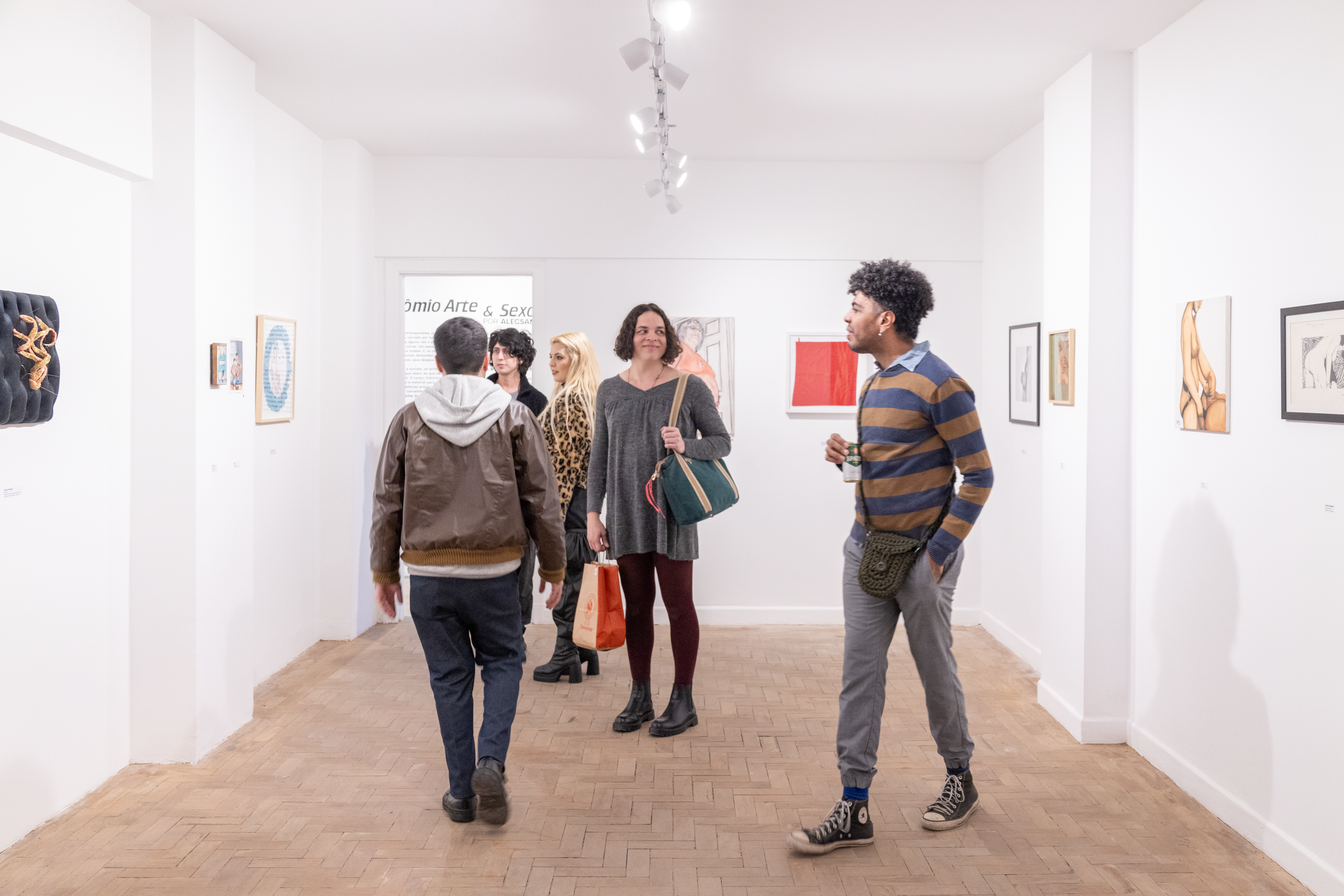
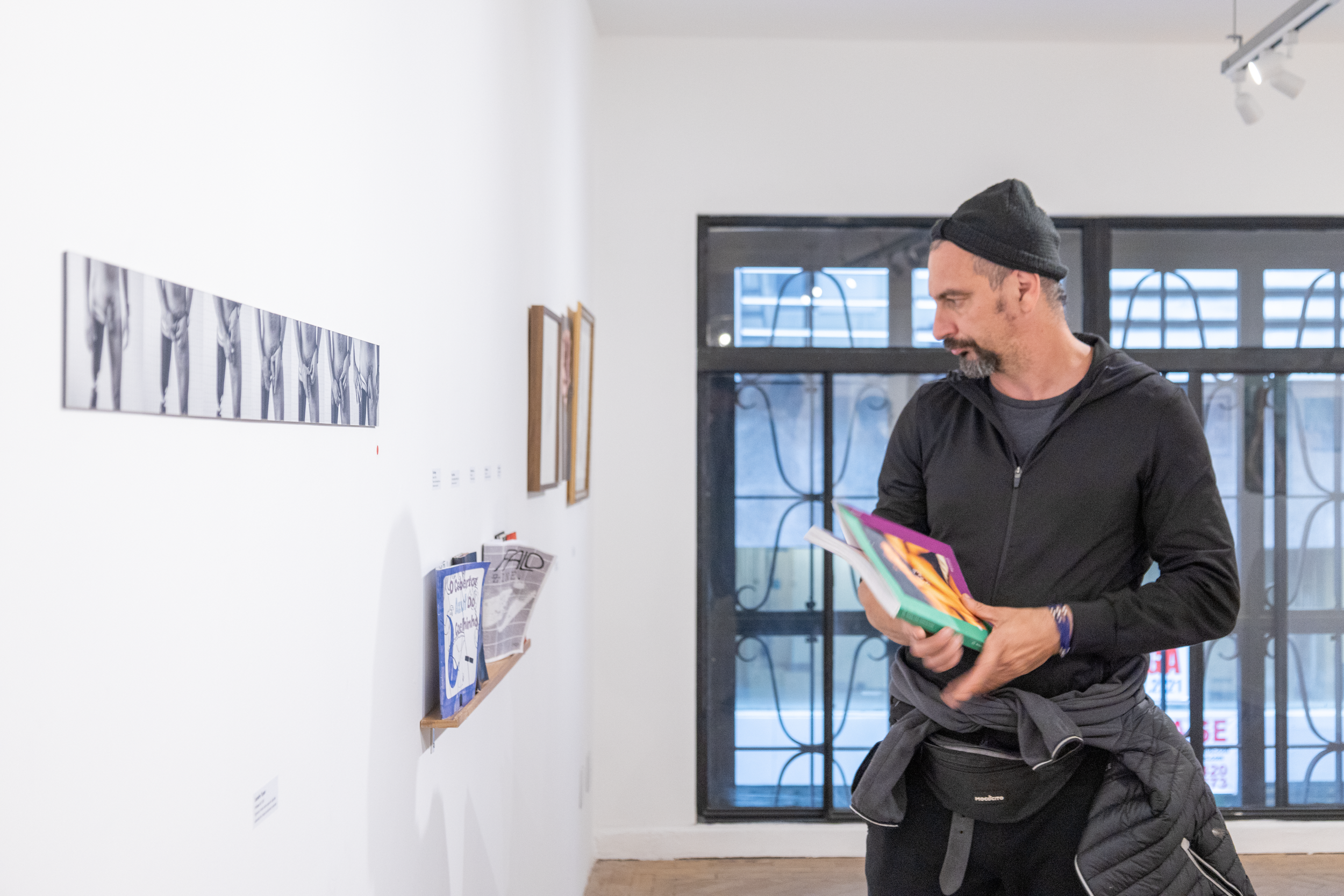





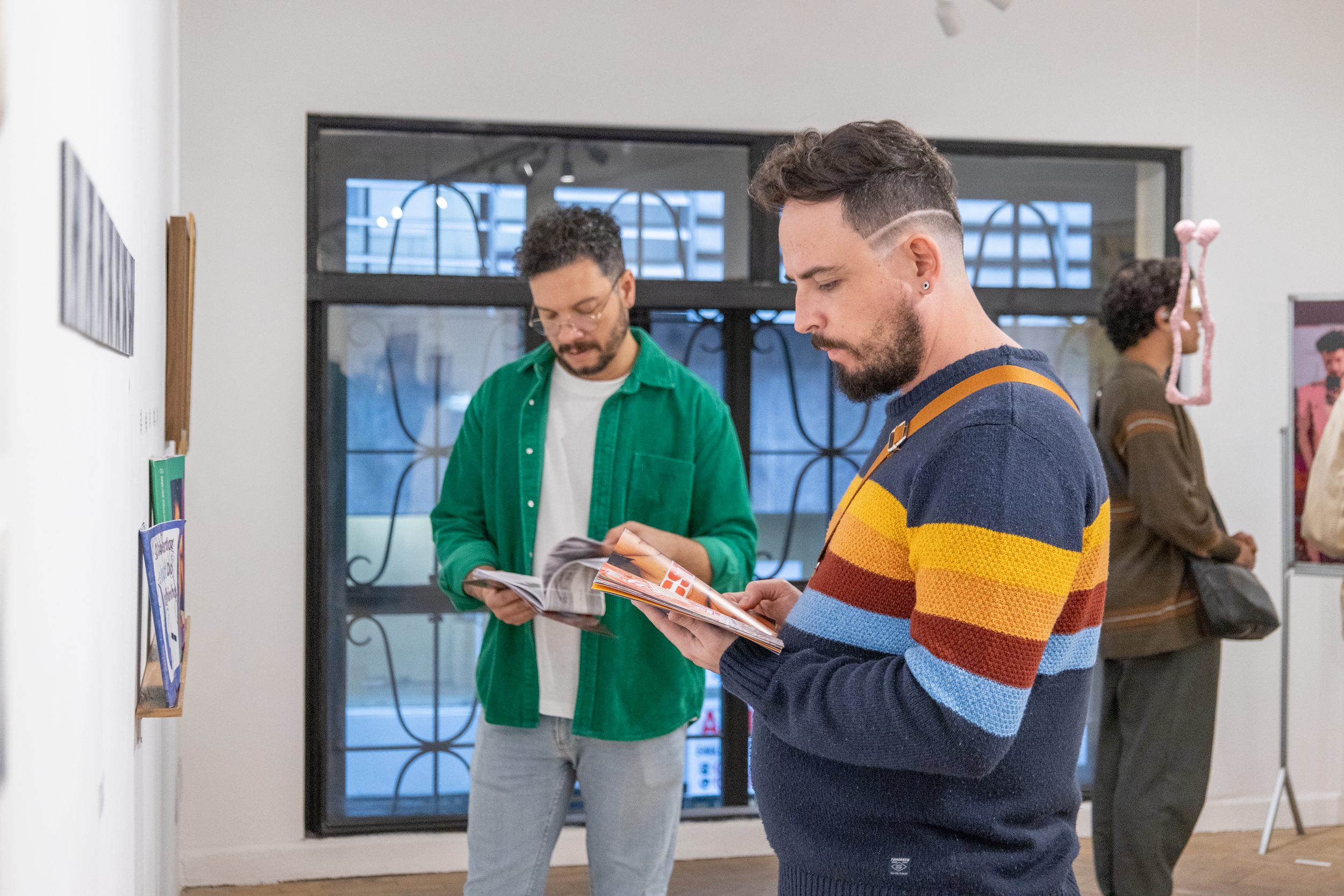
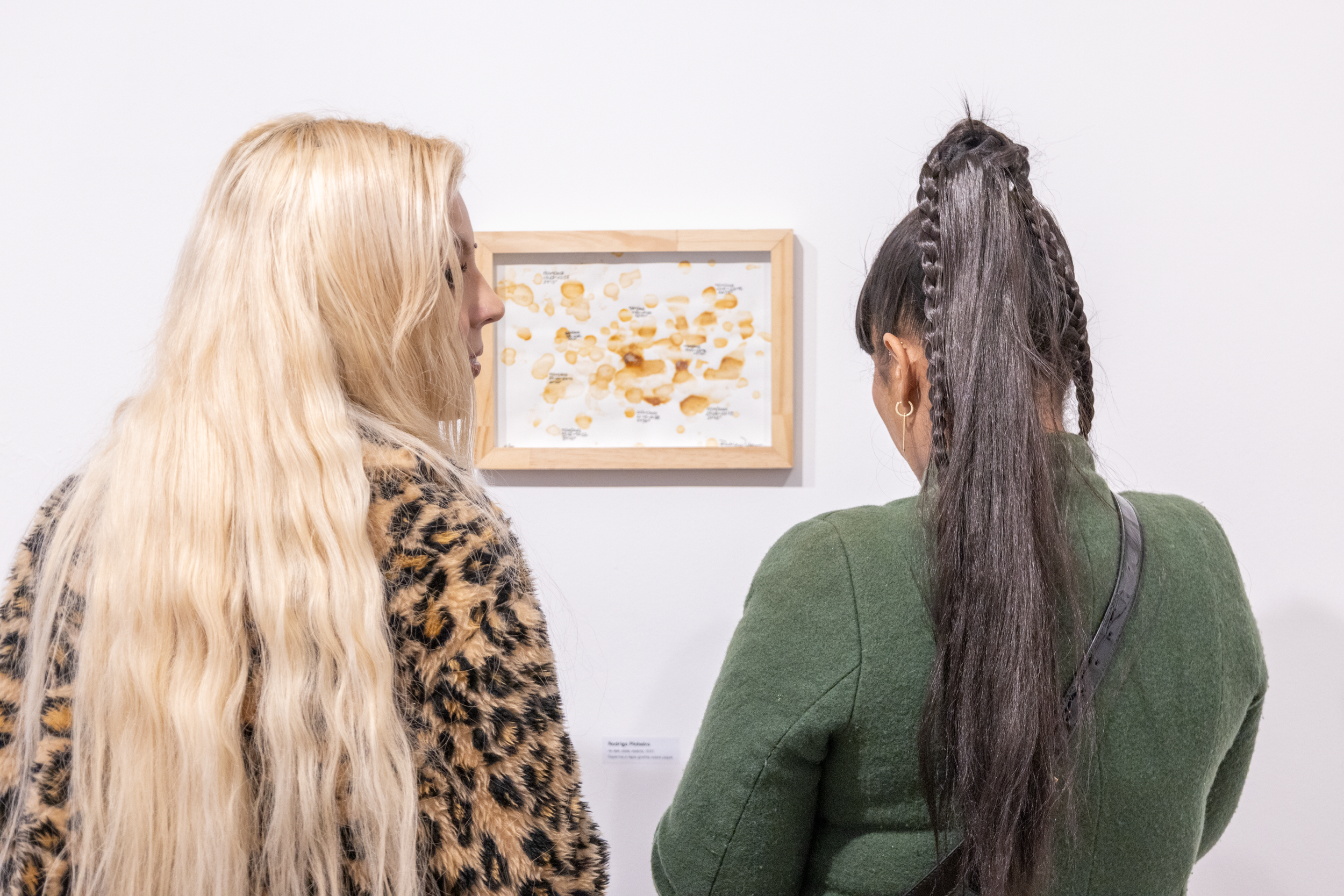
PARALLEL PROGRAMMING


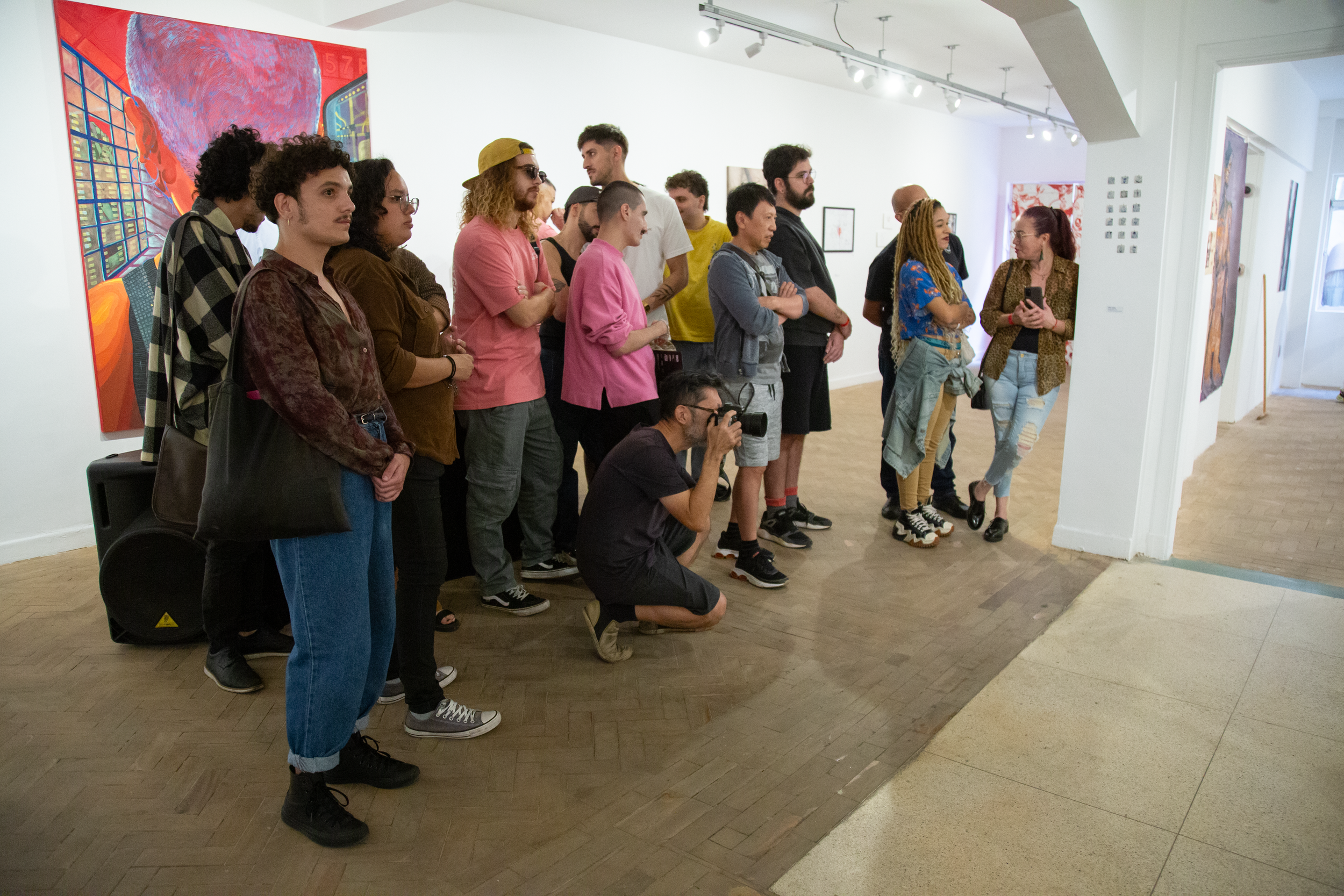
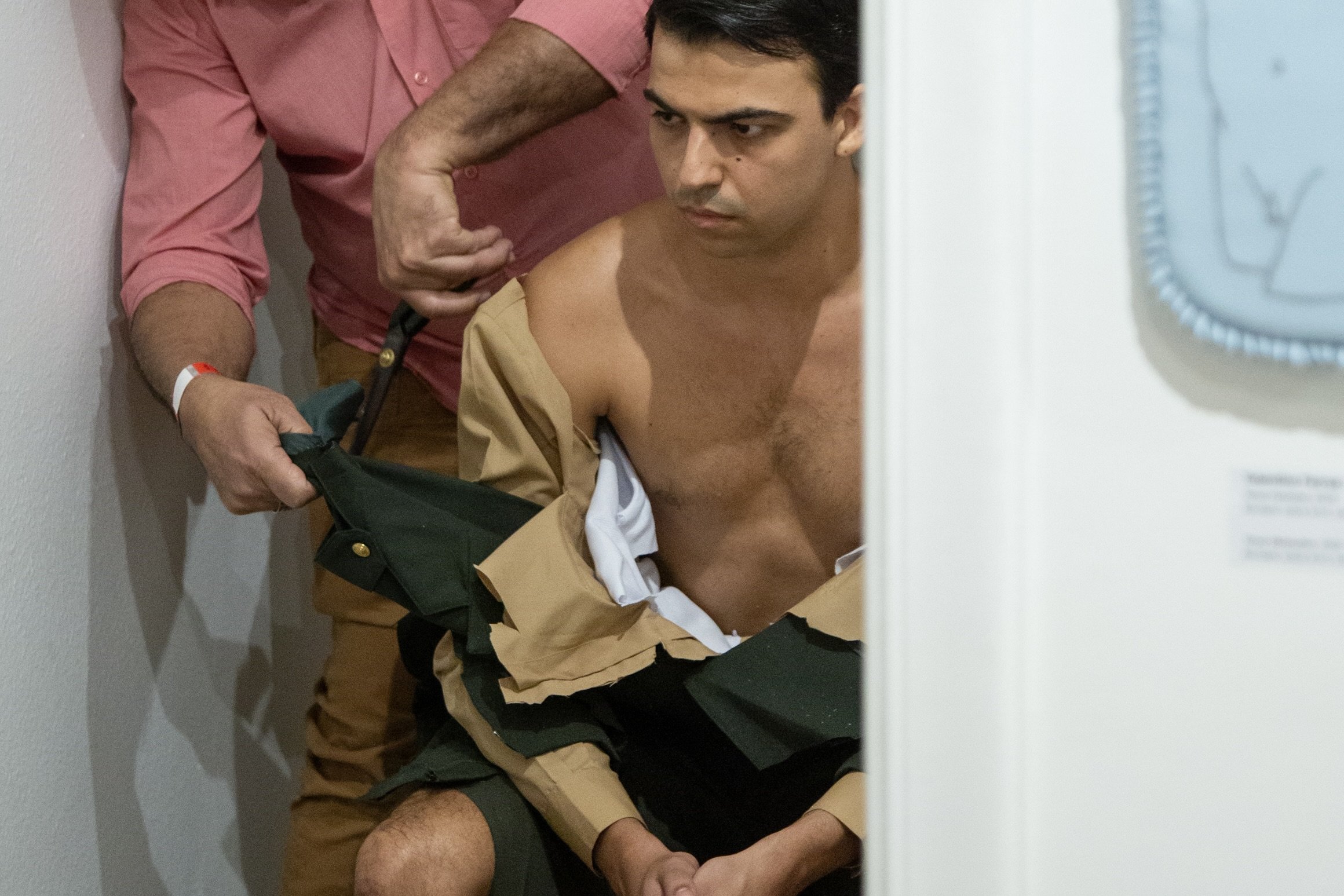
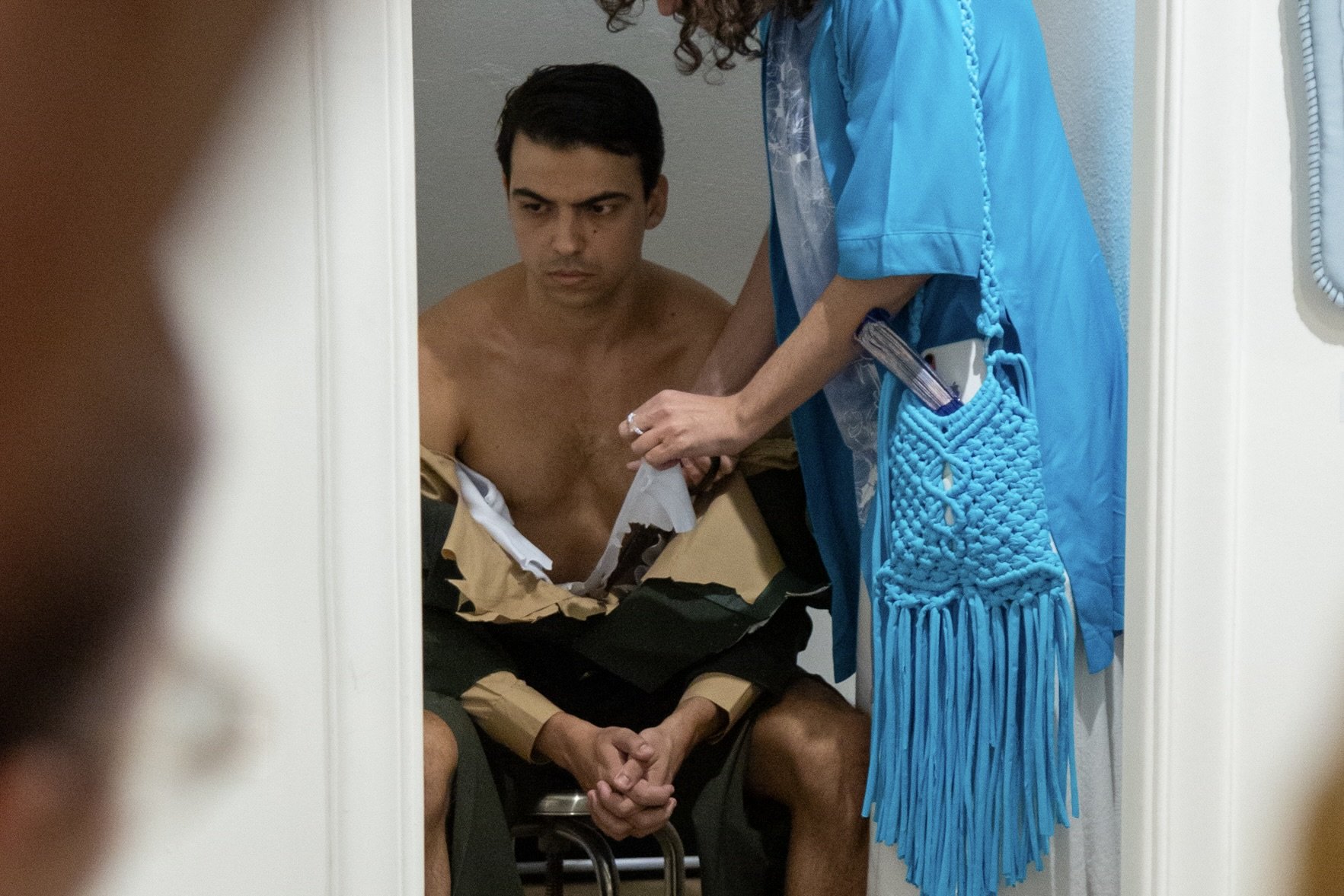













CURATORS
Leonardo Maciel
Paulo Cibella
TEXT
Alecsandra Matias
PRODUCTION
Leonardo Maciel
Paulo Cibella
PRODUCTION ASSISTANCE
Allis Bezerra
Carneviva
Cassio Villa
Charlles Cunha
Indiara Nicoletti
João Vidotti
Lui Trindade
Willian Martin
GRAPHIC DESIGN
Glau Glau
Leonardo Maciel
Sidney Secolo
EDITING
Leonardo Maciel
Paulo Cibella
PRESS OFFICEMarrese Assessoria
LEGAL CONSULTING Lucas Calvelhe
TRANSPORTATION SP Driver
PHOTOGRAPHY
Allis Bezerra
Jennifer Glass
Leonardo Maciel
Nicolas Akira
Paulo Cibella
Philipp Anchieta
VIRTUAL TOUR BRAZIL 3D
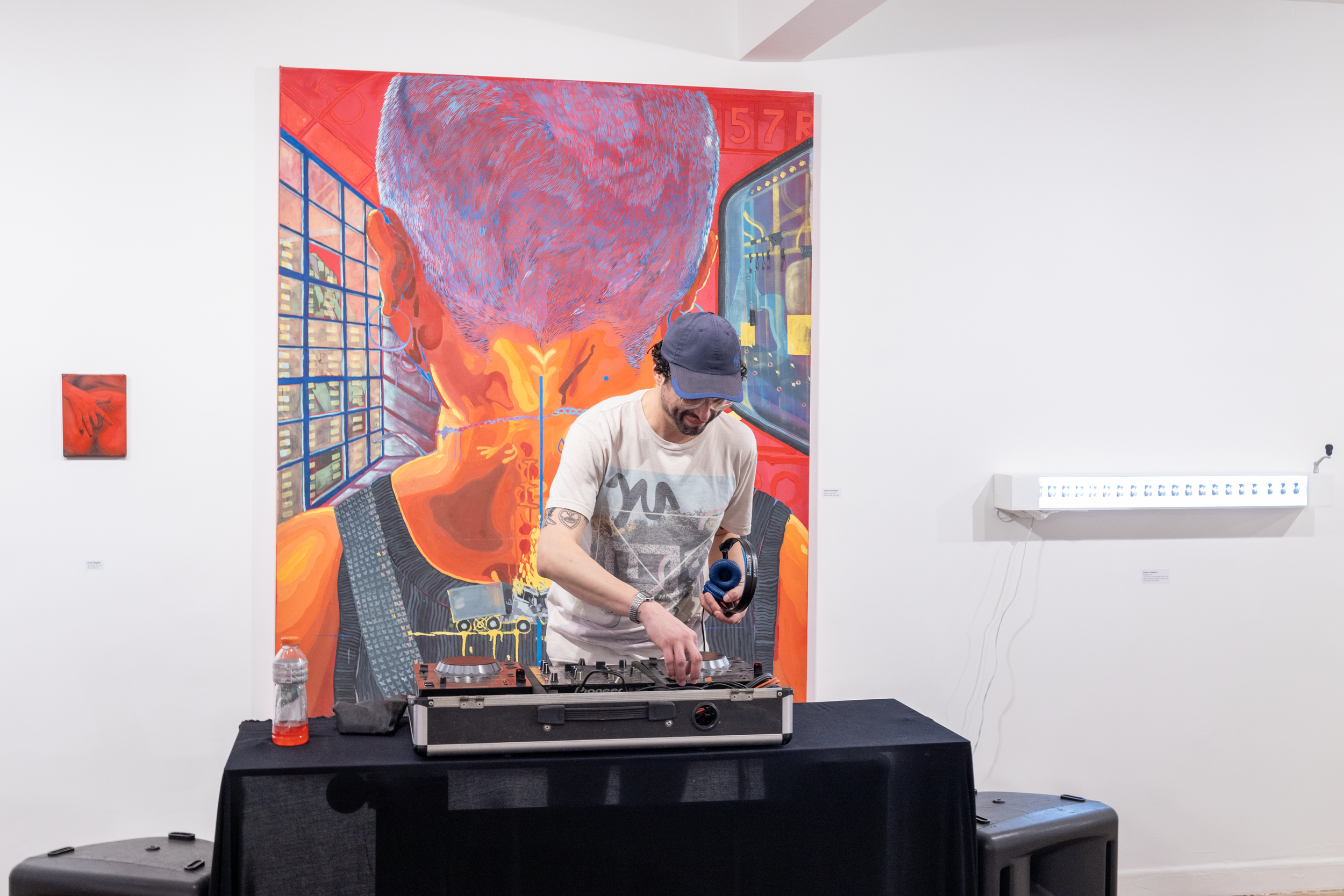
DJs
Alma Negrot
Camaleón
Leandersson
Hubert Beto
Paulo Cibella
Prixie Cesario
ACKNOWLEDGEMENTS
Bajubá Collection
André Fischer
Cynthia Loeb
Mário Loureiro
SUPPORT RG Bar & Club
INSTITUTIONAL SUPPORT
Vera Building
São Paulo LGBT+ Pride Parade